What ls Geotextile 4m And Its Applications?
Blog · 2026-06-09 · 0 views
1. Definition of 4m Geotextile
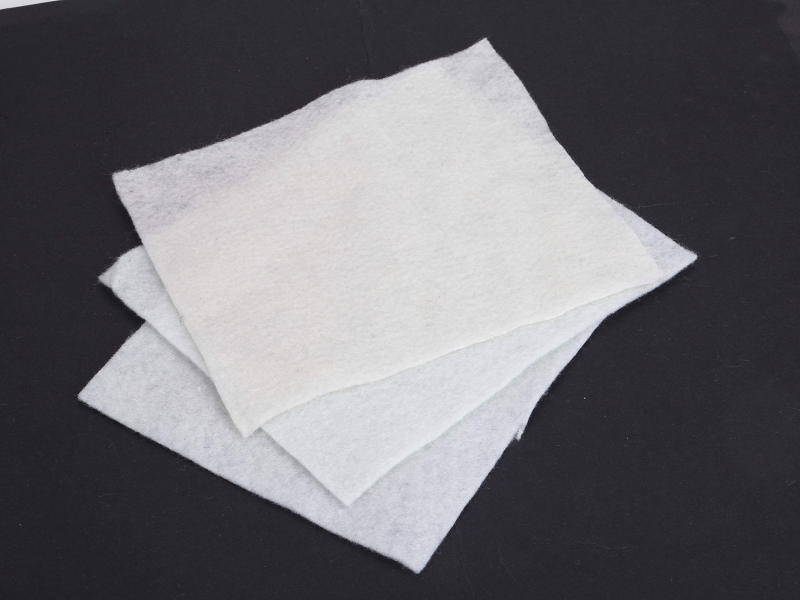
Geotextile (also known as geotextile fabric) is a water-permeable geosynthetic material made of synthetic fibers through a needle punching process. It is mainly divided into two categories: woven and non-woven. This material has excellent filtration, isolation, reinforcement and protection functions; it also has high-strength tensile properties and good permeability, and can withstand high temperatures, freeze-thaw cycles, and aging corrosion resistance. Because the material is lightweight and soft, it is easy to transport, lay and construct, and is widely used in various engineering scenarios for application and promotion.
2. Production Process of 4m Geotextile
2.1 Raw material selection
2.1.1 Polypropylene (PP):
Features: Light, corrosion-resistant, suitable for most geotechnical applications.
Application: Widely used in agriculture, horticulture and soil protection.
2.1.2 Polyester (PET):
Features: High strength, good durability, anti-ultraviolet and chemical corrosion.
Application: Suitable for civil engineering projects with high strength requirements, such as roads and water conservancy projects.
2.2 Production process
2.2.1 Raw material preparation:
Use polypropylene particles or other synthetic fibers as raw materials.
2.2.2 Fiber web:
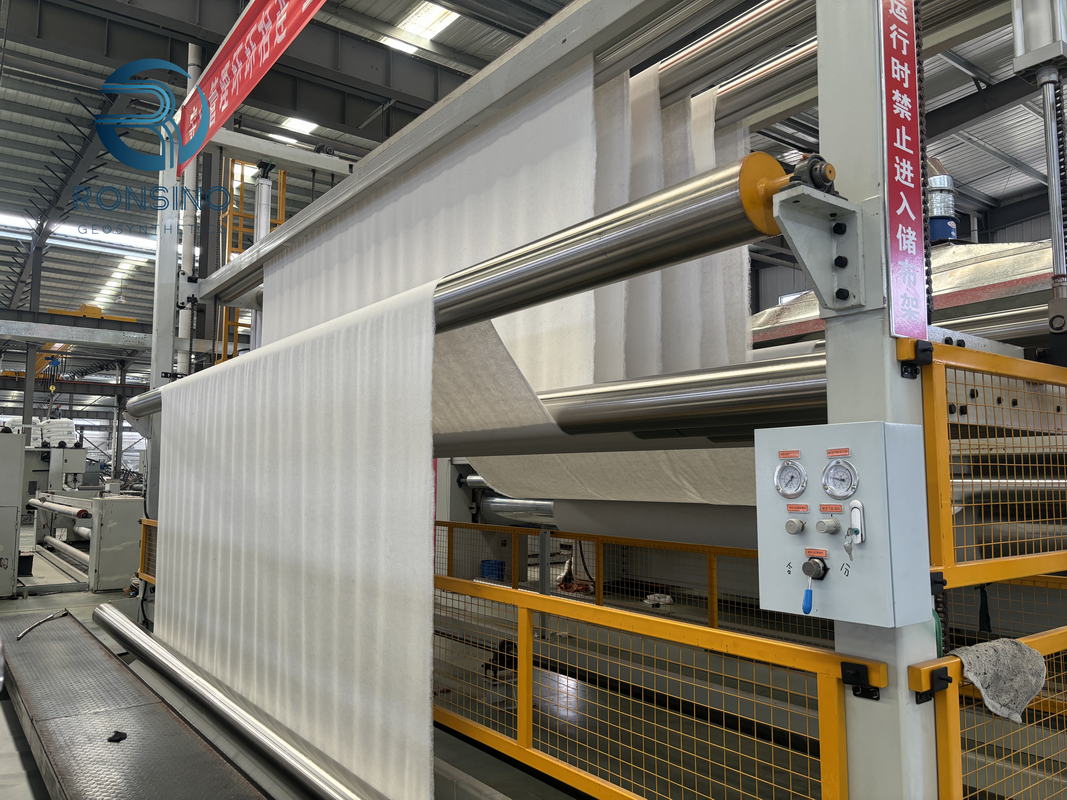
The added polypropylene particles are extruded into continuous filament fibers. Subsequently, these filaments are stretched and undergo heat shrinkage. Next, the fibers are cut into short fibers of fixed length. These short fibers are fed into the laying machine for opening and carding. Afterwards, the drawn fiber bundles are dispersed by oscillating splitting rollers. They are laid evenly on the mesh curtain of the mesh forming machine. This series of processes ultimately forms a fiber mesh structure with a certain weight and thickness.
2.2.3 Needle punching reinforcement:
The fiber web undergoes a needling process to enhance its structural strength. The process is divided into two main stages: pre-needling and main needling. Pre-needle punching processes the loose and less strong fiber web formed by laying the web. Main acupuncture further strengthens the firmness and overall performance of the fiber web on this basis.
2.2.4 Post-treatment:
The non-woven geotextile, once reinforced through the needle-punching process, is subsequently sent for heat setting treatment. This controlled heating procedure effectively solidifies the cross-linking junctions between the interwoven fibers within the material. It notably boosts the geotextile's dimensional stability under varying environmental conditions and strengthens its resistance to structural deformation under external loads. Once the heat setting procedure is completed, a series of targeted post-processing steps are carried out on the material. These specialized post-treatment processes specifically include surface singeing treatment and filter pressing operation. They collectively work to optimize the geotextile's surface smoothness and uniformity, as well as enhance its overall air permeability performance for specific application scenarios.
2.2.5 Finished product processing:
The processed polyester staple fiber geotextile is first precisely trimmed to remove uneven, frayed or dimensionally inconsistent edges, ensuring its final dimensions meet preset accuracy standards.
Next, it receives targeted chemical oiling tailored to application needs, which reduces surface friction, improves surface smoothness and uniformity, and optimizes internal pore structure for even and stable micropore distribution.
Finally, the geotextile is neatly rolled to standard lengths, packaged with moisture-proof, wear-resistant materials per transport and storage requirements, and stored in a dedicated area.
2.3 Quality control
2.3.1 Influence of raw materials
The basis for the production of high-performance geotextiles is the selection of high-quality fiber raw materials. The tensile strength, abrasion resistance and weather resistance of the selected fibers directly determine the overall mechanical properties and long-term service life of the final product. To this end, Runsheng New Materials implements strict multi-layer control in every aspect of raw material selection and procurement to ensure that all fiber performance indicators fully comply with industry standards and internal quality requirements.
2.3.2 Production process
From fiber carding through web formation to needle-punch processing, every production step demands meticulous handling. Processing conditions, including the density level of needle punches, influence overall performance attributes like strength characteristics. RONSINO employs cutting-edge manufacturing techniques alongside rigorous quality management protocols to guarantee the consistent delivery of premium-grade products.
2.3.3 Environmental factors
In the process of warehousing and logistics, geotextiles are easily affected by the external environment. Temperature fluctuations, humidity changes and long-term exposure to ultraviolet rays may cause the internal fibers to gradually age and significantly reduce the mechanical strength of the material. To this end, Runsino has implemented a series of targeted protective measures to ensure that product quality is stable and up to standard throughout the entire storage and transportation cycle.
![]()
3. Geotextile 4mm main characteristics
Basic characteristics of 4m geotextile:
3.1. Water permeability
Short-fiber nonwoven geotextile boasts excellent water permeability: it lets water pass through while preventing fine soil particle loss, making it suitable for underground drainage and slope erosion prevention. It can adjust water flow distribution without damaging surrounding soil structural stability, so it is widely applied in municipal road subgrade construction, farmland water conservancy and irrigation facilities, as well as ecological restoration and environmental governance projects. Its outstanding long-term durability, strong resistance to UV radiation, acid and alkali corrosion, and biodegradation further improve its adaptability to long-term service in high-demand key infrastructure projects.
3.2. Filtration performance
Short fiber geotextile can effectively filter fine soil particles to prevent them from being washed away by water flow, while allowing moisture and air to pass through its porous structure. This helps maintain the stability of the soil structure and is suitable for engineering scenarios such as underground drainage, embankment reinforcement and river bank protection. Its excellent filtration performance can protect the internal structure of the soil, reduce the risk of erosion, and create favorable conditions for vegetation growth, thereby improving the overall performance of the material, extending the service life of the project, and ensuring long-term effectiveness.
3.3. Flexibility
Owing to its architectural composition and inherent material characteristics, staple fiber geotextile exhibits remarkable pliability. This attribute enables it to effortlessly conform to intricate terrains and uneven landscapes. As a result, it significantly streamlines construction and installation procedures. Moreover, the material’s inherent flexibility guarantees its ability to mold to diverse geometries and profiles, positioning it as an optimal solution for deployment in demanding settings. Furthermore, this conformability facilitates a more straightforward installation workflow, thereby mitigating labor expenditures and project duration, a particularly advantageous feature for extensive undertakings.
3.4. Tear resistance
Staple fiber geotextiles have excellent tear resistance. This allows the material to effectively withstand specific mechanical stresses during construction. Ensuring that damage is avoided is critical to its functionality, as any tears or holes can weaken the overall effectiveness of the material. The high tear resistance of staple fiber geotextiles ensures they maintain integrity and functionality in harsh environments, making them a reliable choice in a variety of industrial applications. This feature also significantly extends the service life of the geotextile, providing long-lasting protection and stability to the project it is applied to.
3.5. Durability
Short fiber geotextiles are quite durable. They are resistant to UV rays, chemicals and environmental factors. This therefore makes it ideal for long-term applications in various industrial sectors. Its resistance to UV radiation ensures that the material is not prone to rapid aging under long-term sunlight exposure, thereby maintaining its structural stability. At the same time, the chemical corrosion resistance of short-fiber geotextile enables it to perform well in highly acidic or highly alkaline environments, which enables it to demonstrate excellent adaptability and reliability in diverse projects.
3.6. Economical
Staple-fiber geotextiles are a cost-effective solution, ideal for large-scale projects with budget constraints. Their affordability does not compromise functionality, making them suitable for various industrial applications. Consequently, their economic feasibility promotes widespread use in infrastructure and environmental projects, fostering sustainable and resource-efficient construction.
3.7. Environmentally friendly
Numerous staple-fiber geotextile products possess the capability of being recycled, a feature that significantly diminishes their ecological footprint and aligns with the principles of sustainable advancement. As a result, this characteristic renders them a favored choice for initiatives and sectors that prioritize environmental stewardship. Furthermore, the recyclable nature of these fabrics fosters a circular economic model by facilitating the repurposing of raw materials, thus curbing landfill accumulation and preserving precious natural reserves. In addition, the potential to recycle staple-fiber geotextiles resonates with worldwide sustainability objectives and legislative frameworks, thereby bolstering their integration across a diverse range of uses.
3.8. Easy to construct
Short-fiber geotextiles are lightweight and easy to transport and lay. This feature can significantly improve construction efficiency and effectively reduce labor expenses. The easy handling and laying of this material therefore not only simplifies the installation process, but also makes it more efficient and less time-consuming. The lightweight nature of short-fiber geotextiles greatly reduces the physical burden on workers, thereby creating a safer working atmosphere. This advantage also accelerates project progress, especially for large-scale engineering applications where time and cost efficiency are critical.
3.9. Anti-aging
When exposed to suitable environmental settings, staple-fiber geotextiles generally exhibit excellent resistance to aging. This characteristic guarantees their sustained performance over extended periods, rendering them a dependable option for diverse engineering undertakings. Moreover, the ability of these materials to resist aging enables them to endure continuous contact with natural factors including ultraviolet radiation, humidity, and thermal variations without substantial deterioration. Consequently, this enhanced longevity diminishes expenditure on upkeep and prolongs the operational duration of the geotextiles, thereby fostering more efficient and economical construction methodologies.
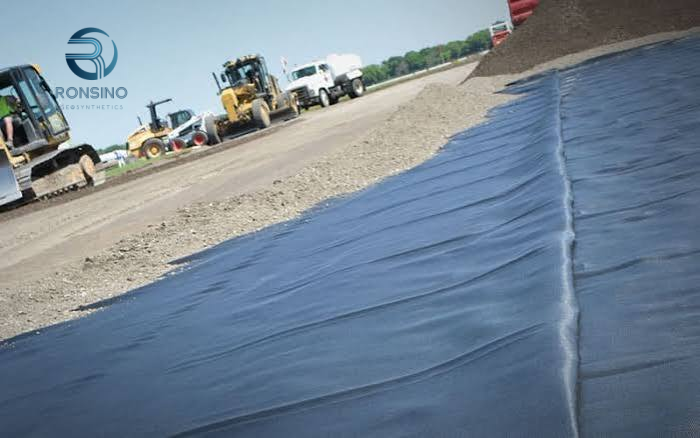
4. What Are The Application Projects of Geotextile 4m?
Geotextiles, particularly those with a width of 4 meters, are extensively used in various industrial projects due to their versatility and durability. Here are some key application projects where geotextiles play a crucial role:
4.1 Road Construction and Maintenance:
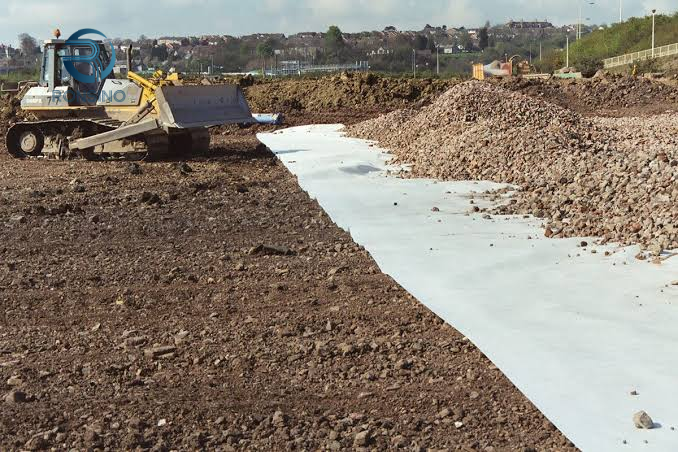
Subgrade Reinforcement: Geotextiles are used to reinforce the subgrade, improving the load-bearing capacity and reducing settlement.
Pavement Protection: They act as a barrier between different layers of the road to prevent the mixing of materials and extend the life of the pavement.
Erosion Control: In areas prone to soil erosion, geotextiles help stabilize the soil and reduce sediment runoff.
4.2 Railway Construction:
Ballasted Track Stabilization: Geosynthetic fabrics are installed under gravel-covered railways to avert the escape of granular materials and ensure the structural integrity of the railway system.
Subgrade Protection: They protect the subgrade from moisture infiltration and mechanical wear.
4.3 Hydraulic Engineering:
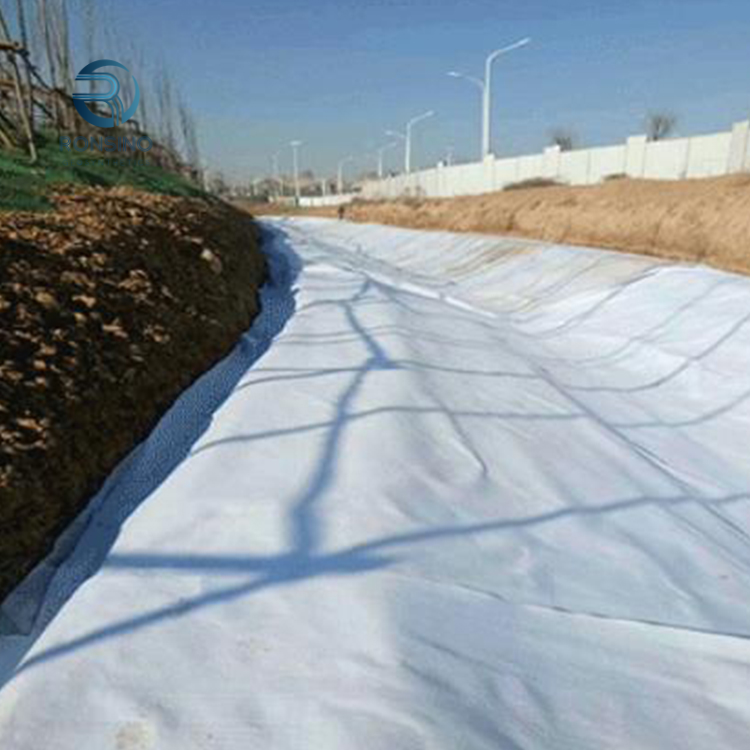
Erosion Control on Slopes: Geotextiles are used on riverbanks and slopes to control erosion and stabilize the soil.
Filter Layers: They serve as filter layers in drainage systems to prevent soil particles from entering drains while allowing water to pass through.
4.4 Environmental Projects:
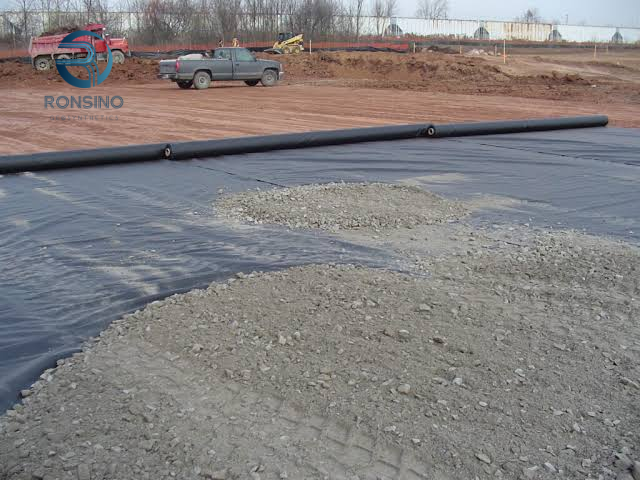
Landfill Liners: Geotextiles are used as liners in landfill sites to prevent leachate from contaminating the surrounding environment.
Retaining Walls: They provide reinforcement for retaining walls, ensuring structural integrity and preventing soil erosion.
4.5 Civil Engineering:
Foundation Reinforcement: Geotextiles are used to reinforce foundations, improving load distribution and reducing the risk of settlement.
Drainage Systems: They form part of drainage systems in civil engineering projects, ensuring efficient water flow and preventing soil erosion.
4.6 Coastal and Marine Works:
Shoreline Protection: Geotextiles help protect shorelines from wave action and erosion.
Aquaculture Ponds: They are used in the construction of aquaculture ponds to prevent seepage and ensure water quality.
4.7 Mining Operations:
Tailing Dams: Geotextiles are used in the construction of tailing dams to prevent seepage and environmental contamination.
Slope Stabilization: They help stabilize mine slopes and prevent landslides.
4.8 Agricultural Applications:
Soil Erosion Control: Geotextiles are used in agricultural settings to control soil erosion and improve irrigation efficiency.
Greenhouse Construction: They are employed in the construction of greenhouse structures to provide support and protection.
5. Summary
Due to its excellent adaptability and strength, the four-meter-wide geotextile has become a core material in fields such as road construction, railway bed reinforcement, ecological protection and marine engineering. It can effectively stabilize foundations, control sediments and optimize fluid management. As a supplier of high-quality geotextiles, RONSINO Geosynthetics ensures that the best fabrics are selected for projects to achieve efficient operation and long life. With continuous innovation and environmental protection concepts, the company remains at the forefront of the industry and provides reliable support for global civil engineering and ecological projects.
Geotextile (also known as geotextile fabric) is a water-permeable geosynthetic material made of synthetic fibers through a needle punching process. It is mainly divided into two categories: woven and non-woven. This material has excellent filtration, isolation, reinforcement and protection functions; it also has high-strength tensile properties and good permeability, and can withstand high temperatures, freeze-thaw cycles, and aging corrosion resistance. Because the material is lightweight and soft, it is easy to transport, lay and construct, and is widely used in various engineering scenarios for application and promotion.
2. Production Process of 4m Geotextile
2.1 Raw material selection
2.1.1 Polypropylene (PP):
Features: Light, corrosion-resistant, suitable for most geotechnical applications.
Application: Widely used in agriculture, horticulture and soil protection.
2.1.2 Polyester (PET):
Features: High strength, good durability, anti-ultraviolet and chemical corrosion.
Application: Suitable for civil engineering projects with high strength requirements, such as roads and water conservancy projects.
2.2 Production process
2.2.1 Raw material preparation:
Use polypropylene particles or other synthetic fibers as raw materials.
2.2.2 Fiber web:
The added polypropylene particles are extruded into continuous filament fibers. Subsequently, these filaments are stretched and undergo heat shrinkage. Next, the fibers are cut into short fibers of fixed length. These short fibers are fed into the laying machine for opening and carding. Afterwards, the drawn fiber bundles are dispersed by oscillating splitting rollers. They are laid evenly on the mesh curtain of the mesh forming machine. This series of processes ultimately forms a fiber mesh structure with a certain weight and thickness.
2.2.3 Needle punching reinforcement:
The fiber web undergoes a needling process to enhance its structural strength. The process is divided into two main stages: pre-needling and main needling. Pre-needle punching processes the loose and less strong fiber web formed by laying the web. Main acupuncture further strengthens the firmness and overall performance of the fiber web on this basis.
2.2.4 Post-treatment:
The non-woven geotextile, once reinforced through the needle-punching process, is subsequently sent for heat setting treatment. This controlled heating procedure effectively solidifies the cross-linking junctions between the interwoven fibers within the material. It notably boosts the geotextile's dimensional stability under varying environmental conditions and strengthens its resistance to structural deformation under external loads. Once the heat setting procedure is completed, a series of targeted post-processing steps are carried out on the material. These specialized post-treatment processes specifically include surface singeing treatment and filter pressing operation. They collectively work to optimize the geotextile's surface smoothness and uniformity, as well as enhance its overall air permeability performance for specific application scenarios.
2.2.5 Finished product processing:
The processed polyester staple fiber geotextile is first precisely trimmed to remove uneven, frayed or dimensionally inconsistent edges, ensuring its final dimensions meet preset accuracy standards.
Next, it receives targeted chemical oiling tailored to application needs, which reduces surface friction, improves surface smoothness and uniformity, and optimizes internal pore structure for even and stable micropore distribution.
Finally, the geotextile is neatly rolled to standard lengths, packaged with moisture-proof, wear-resistant materials per transport and storage requirements, and stored in a dedicated area.
2.3 Quality control
2.3.1 Influence of raw materials
The basis for the production of high-performance geotextiles is the selection of high-quality fiber raw materials. The tensile strength, abrasion resistance and weather resistance of the selected fibers directly determine the overall mechanical properties and long-term service life of the final product. To this end, Runsheng New Materials implements strict multi-layer control in every aspect of raw material selection and procurement to ensure that all fiber performance indicators fully comply with industry standards and internal quality requirements.
2.3.2 Production process
From fiber carding through web formation to needle-punch processing, every production step demands meticulous handling. Processing conditions, including the density level of needle punches, influence overall performance attributes like strength characteristics. RONSINO employs cutting-edge manufacturing techniques alongside rigorous quality management protocols to guarantee the consistent delivery of premium-grade products.
2.3.3 Environmental factors
In the process of warehousing and logistics, geotextiles are easily affected by the external environment. Temperature fluctuations, humidity changes and long-term exposure to ultraviolet rays may cause the internal fibers to gradually age and significantly reduce the mechanical strength of the material. To this end, Runsino has implemented a series of targeted protective measures to ensure that product quality is stable and up to standard throughout the entire storage and transportation cycle.
3. Geotextile 4mm main characteristics
Basic characteristics of 4m geotextile:
3.1. Water permeability
Short-fiber nonwoven geotextile boasts excellent water permeability: it lets water pass through while preventing fine soil particle loss, making it suitable for underground drainage and slope erosion prevention. It can adjust water flow distribution without damaging surrounding soil structural stability, so it is widely applied in municipal road subgrade construction, farmland water conservancy and irrigation facilities, as well as ecological restoration and environmental governance projects. Its outstanding long-term durability, strong resistance to UV radiation, acid and alkali corrosion, and biodegradation further improve its adaptability to long-term service in high-demand key infrastructure projects.
3.2. Filtration performance
Short fiber geotextile can effectively filter fine soil particles to prevent them from being washed away by water flow, while allowing moisture and air to pass through its porous structure. This helps maintain the stability of the soil structure and is suitable for engineering scenarios such as underground drainage, embankment reinforcement and river bank protection. Its excellent filtration performance can protect the internal structure of the soil, reduce the risk of erosion, and create favorable conditions for vegetation growth, thereby improving the overall performance of the material, extending the service life of the project, and ensuring long-term effectiveness.
3.3. Flexibility
Owing to its architectural composition and inherent material characteristics, staple fiber geotextile exhibits remarkable pliability. This attribute enables it to effortlessly conform to intricate terrains and uneven landscapes. As a result, it significantly streamlines construction and installation procedures. Moreover, the material’s inherent flexibility guarantees its ability to mold to diverse geometries and profiles, positioning it as an optimal solution for deployment in demanding settings. Furthermore, this conformability facilitates a more straightforward installation workflow, thereby mitigating labor expenditures and project duration, a particularly advantageous feature for extensive undertakings.
3.4. Tear resistance
Staple fiber geotextiles have excellent tear resistance. This allows the material to effectively withstand specific mechanical stresses during construction. Ensuring that damage is avoided is critical to its functionality, as any tears or holes can weaken the overall effectiveness of the material. The high tear resistance of staple fiber geotextiles ensures they maintain integrity and functionality in harsh environments, making them a reliable choice in a variety of industrial applications. This feature also significantly extends the service life of the geotextile, providing long-lasting protection and stability to the project it is applied to.
3.5. Durability
Short fiber geotextiles are quite durable. They are resistant to UV rays, chemicals and environmental factors. This therefore makes it ideal for long-term applications in various industrial sectors. Its resistance to UV radiation ensures that the material is not prone to rapid aging under long-term sunlight exposure, thereby maintaining its structural stability. At the same time, the chemical corrosion resistance of short-fiber geotextile enables it to perform well in highly acidic or highly alkaline environments, which enables it to demonstrate excellent adaptability and reliability in diverse projects.
3.6. Economical
Staple-fiber geotextiles are a cost-effective solution, ideal for large-scale projects with budget constraints. Their affordability does not compromise functionality, making them suitable for various industrial applications. Consequently, their economic feasibility promotes widespread use in infrastructure and environmental projects, fostering sustainable and resource-efficient construction.
3.7. Environmentally friendly
Numerous staple-fiber geotextile products possess the capability of being recycled, a feature that significantly diminishes their ecological footprint and aligns with the principles of sustainable advancement. As a result, this characteristic renders them a favored choice for initiatives and sectors that prioritize environmental stewardship. Furthermore, the recyclable nature of these fabrics fosters a circular economic model by facilitating the repurposing of raw materials, thus curbing landfill accumulation and preserving precious natural reserves. In addition, the potential to recycle staple-fiber geotextiles resonates with worldwide sustainability objectives and legislative frameworks, thereby bolstering their integration across a diverse range of uses.
3.8. Easy to construct
Short-fiber geotextiles are lightweight and easy to transport and lay. This feature can significantly improve construction efficiency and effectively reduce labor expenses. The easy handling and laying of this material therefore not only simplifies the installation process, but also makes it more efficient and less time-consuming. The lightweight nature of short-fiber geotextiles greatly reduces the physical burden on workers, thereby creating a safer working atmosphere. This advantage also accelerates project progress, especially for large-scale engineering applications where time and cost efficiency are critical.
3.9. Anti-aging
When exposed to suitable environmental settings, staple-fiber geotextiles generally exhibit excellent resistance to aging. This characteristic guarantees their sustained performance over extended periods, rendering them a dependable option for diverse engineering undertakings. Moreover, the ability of these materials to resist aging enables them to endure continuous contact with natural factors including ultraviolet radiation, humidity, and thermal variations without substantial deterioration. Consequently, this enhanced longevity diminishes expenditure on upkeep and prolongs the operational duration of the geotextiles, thereby fostering more efficient and economical construction methodologies.
4. What Are The Application Projects of Geotextile 4m?
Geotextiles, particularly those with a width of 4 meters, are extensively used in various industrial projects due to their versatility and durability. Here are some key application projects where geotextiles play a crucial role:
4.1 Road Construction and Maintenance:
Subgrade Reinforcement: Geotextiles are used to reinforce the subgrade, improving the load-bearing capacity and reducing settlement.
Pavement Protection: They act as a barrier between different layers of the road to prevent the mixing of materials and extend the life of the pavement.
Erosion Control: In areas prone to soil erosion, geotextiles help stabilize the soil and reduce sediment runoff.
4.2 Railway Construction:
Ballasted Track Stabilization: Geosynthetic fabrics are installed under gravel-covered railways to avert the escape of granular materials and ensure the structural integrity of the railway system.
Subgrade Protection: They protect the subgrade from moisture infiltration and mechanical wear.
4.3 Hydraulic Engineering:
Erosion Control on Slopes: Geotextiles are used on riverbanks and slopes to control erosion and stabilize the soil.
Filter Layers: They serve as filter layers in drainage systems to prevent soil particles from entering drains while allowing water to pass through.
4.4 Environmental Projects:
Landfill Liners: Geotextiles are used as liners in landfill sites to prevent leachate from contaminating the surrounding environment.
Retaining Walls: They provide reinforcement for retaining walls, ensuring structural integrity and preventing soil erosion.
4.5 Civil Engineering:
Foundation Reinforcement: Geotextiles are used to reinforce foundations, improving load distribution and reducing the risk of settlement.
Drainage Systems: They form part of drainage systems in civil engineering projects, ensuring efficient water flow and preventing soil erosion.
4.6 Coastal and Marine Works:
Shoreline Protection: Geotextiles help protect shorelines from wave action and erosion.
Aquaculture Ponds: They are used in the construction of aquaculture ponds to prevent seepage and ensure water quality.
4.7 Mining Operations:
Tailing Dams: Geotextiles are used in the construction of tailing dams to prevent seepage and environmental contamination.
Slope Stabilization: They help stabilize mine slopes and prevent landslides.
4.8 Agricultural Applications:
Soil Erosion Control: Geotextiles are used in agricultural settings to control soil erosion and improve irrigation efficiency.
Greenhouse Construction: They are employed in the construction of greenhouse structures to provide support and protection.
5. Summary
Due to its excellent adaptability and strength, the four-meter-wide geotextile has become a core material in fields such as road construction, railway bed reinforcement, ecological protection and marine engineering. It can effectively stabilize foundations, control sediments and optimize fluid management. As a supplier of high-quality geotextiles, RONSINO Geosynthetics ensures that the best fabrics are selected for projects to achieve efficient operation and long life. With continuous innovation and environmental protection concepts, the company remains at the forefront of the industry and provides reliable support for global civil engineering and ecological projects.