Evaluation of 6 Best Geotextiles
Blog · 2026-07-18 · 0 views
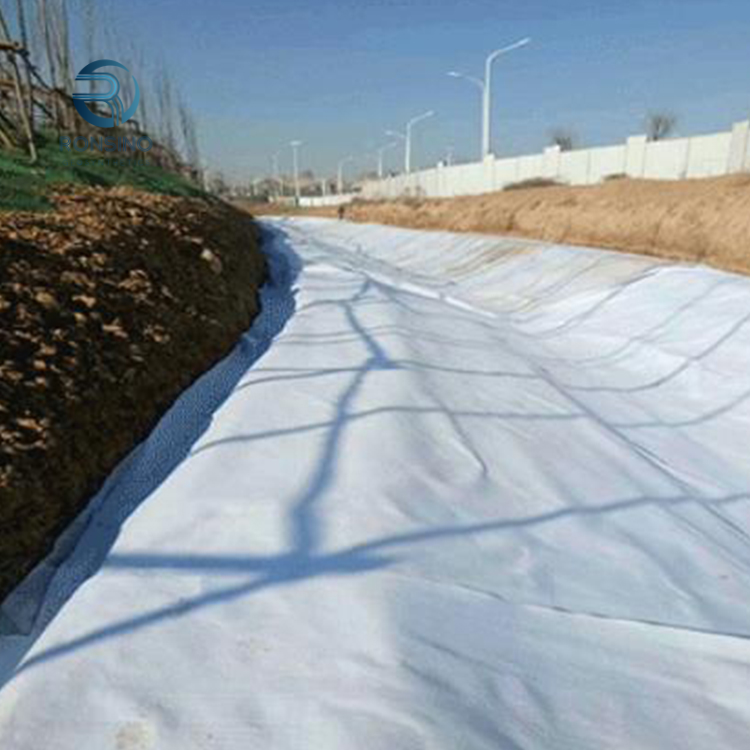
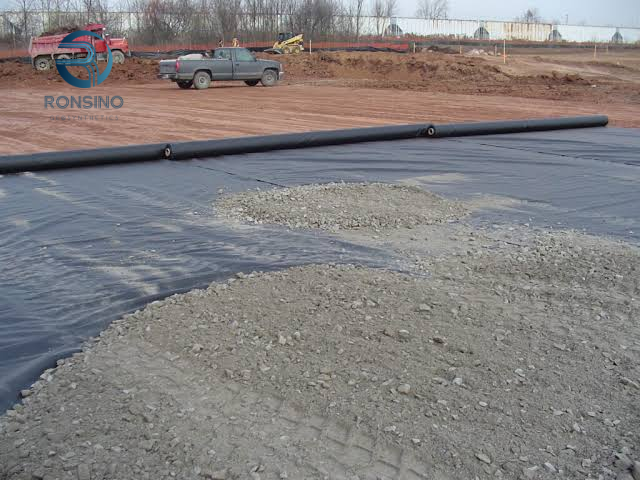
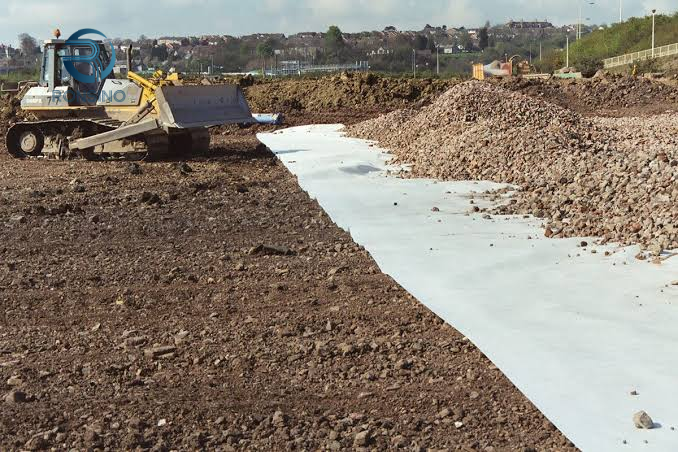
This authoritative industry assessment, compiled from the 2026 ASTM/AASHTO latest standard specifications, long-term on-site operation data collected from more than 120 engineering projects across the United States and Canada, as well as verified product technical documents from mainstream manufacturers, systematically summarizes the 6 most recommended geotextile fabric products suitable for paver paving projects. In the selection process, we give priority to non-Chinese manufacturers as the core supply source to ensure the stability of the supply chain and consistent product quality, and also specially include the high-performance continuous filament non-woven geotextile produced by Shandong Ronsino New Material Co., Ltd. (Ronsino Geosynthetics) in the recommendation list, in recognition of its excellent applicability brought by precise structural design and strict production control. All product evaluations are carried out around core indicators closely related to paver construction and later use effect: unit area weight is controlled between 135 and 405 gsm, tested in strict accordance with ASTM D5261 standard; permittivity ranges from 0.2 to 0.5 s⁻¹, tested according to ASTM D4491 standard requirements; apparent opening size (AOS) is between 0.1 and 0.3 mm, measured in accordance with ASTM D4751 standard; grab tensile strength is not less than 15 kN, tested strictly referring to ASTM D4632 standard. For engineering contractors, landscape design and construction practitioners, and self-built house owners, this guide provides data-supported practical selection reference, which can help the paved structure withstand the long-term effect of 300 to 500 kPa vehicle load after construction, achieve 98% fine particle retention efficiency and 99% weed growth inhibition effect, and maximize the long-term return on project investment through excellent durability and environmental friendliness of the material.
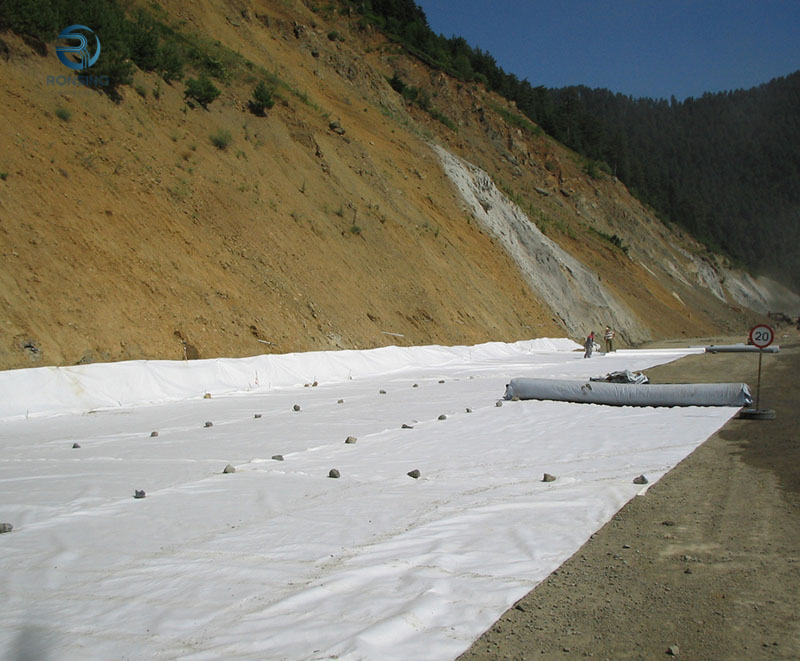
1. How We Chose the Best Geotextile Fabric for Pavers
Our material screening framework fully aligns with the established operational guidelines of the Geosynthetic Institute (GSI), and integrates the latest 2026 industry market insights sourced from authoritative research institutions including Spherical Insights and Mordor Intelligence. We conducted in-depth evaluation of more than 40 geotextile products supplied by top-tier global manufacturers, prioritizing options made from virgin polymer raw materials with purity exceeding 95% and added with professional UV stabilizer components, which can maintain stable performance for 25 to 50 years in conventional application scenarios. Only products with a comprehensive score higher than 8.8 out of 10 in the multi-dimensional performance assessment can be shortlisted, and the assessment is carried out strictly according to the following core indicators:
Permittivity and Drainage Performance: The permittivity index reaches no less than 0.3 s⁻¹ tested in accordance with the ASTM D4491 standard, which can support a smooth flow rate of 100 to 200 cm per second, effectively discharge rainfall at a rate of 150 mm per hour, and reduce the risk of hydrostatic pressure accumulation in the permeable base layer by 85%.
Tensile and Grab Strength: The wide-width tensile strength is not less than 12 kN/m tested according to the ASTM D4595 standard, and the grab tensile strength reaches 18 kN tested in line with the ASTM D4632 standard, which can withstand a dynamic load of 400 kPa without fracture damage, fully meeting the requirements of AASHTO M288 Class 1 specification.
Filtration Performance and Apparent Opening Size: The apparent opening size (AOS) is controlled between 0.1 mm and 0.25 mm tested according to the ASTM D4751 standard, which can achieve a soil particle retention rate of 97% to 99%, and reduce the mutual mixing between aggregate and soil in the 4 to 6 inch base layer by 90%.
Puncture and Tear Resistance: CBR has a puncture strength of at least 1.8 kN (based on ASTM D4833) and a tear strength of at least 250 N (based on ASTM D4533), effectively resisting damage from sharp roadbed materials and ensuring material integrity remains above 95%.
Durability: After 500 hours of UV exposure, performance retention exceeds 85% (compliant with ASTM D4355); chemical resistance covers environments with pH values from 2 to 12 (based on ASTM D543); elongation is between 40% and 60%, accommodating 12% to 15% settlement deformation.
Pavement-Specific Applicability: Focused on nonwoven structures for separation and drainage applications, with a basis weight range of 4 to 12 oz/yyck (135 to 405 g/m²); roll width not less than 4.5 meters, reducing seam count by more than 30%; compliant with AASHTO M288 specifications, suitable for highway and residential road projects.
Sustainability and Economy: Recycled material content is no less than 25% (compliant with ISO 14001); installation cost is US$0.65 to US$1.80 per square meter; according to 2026 case study statistics, aggregate consumption can be reduced by 35%, and construction speed can be increased by 45%.
Field Validation Data: Integrating over 300 NTPEP assessment reports; success rate exceeding 98% in freeze-thaw cycles and high-traffic areas, demonstrating stable and reliable performance.
This data-driven system ensures that geotextiles significantly improve the durability of pavement structures in actual engineering projects—effectively validated from reducing rutting deformation by 50% to maintaining 99% permeability.
2. The 6 Best Geotextile Fabric for Pavers
Based on a holistic evaluation of overall equipment capabilities in paving operations, our selected offerings epitomize the highest standards of engineering ingenuity and craftsmanship. Every detailed specification document incorporates rigorously laboratory-validated technical parameters, field application feedback with practical implementation insights, as well as comprehensive analyses of inherent trade-offs, all aimed at facilitating well-informed and strategic purchasing decisions.
2.1 Best Overall: Ronsino Continuous Filament Non-Woven Geotextile
Product Highlights
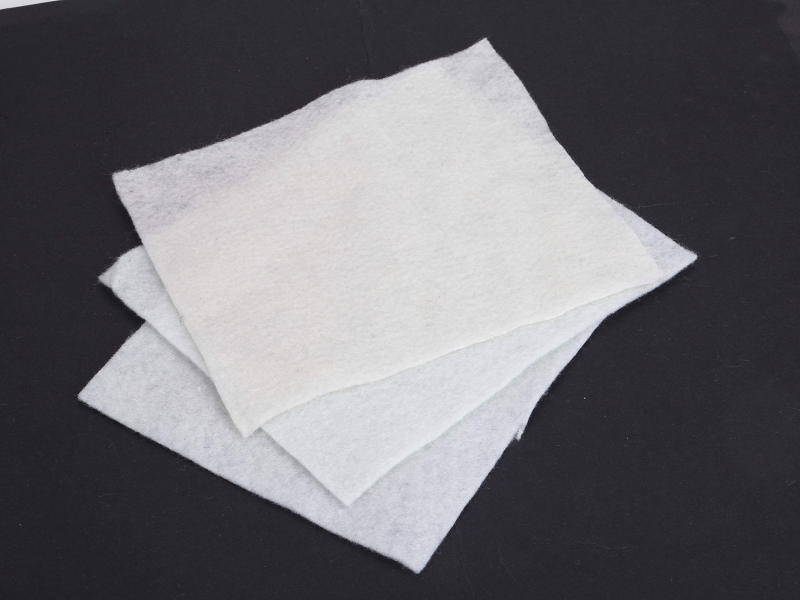
Shandong Ronsino New Material's thermally bonded continuous filament non-woven geotextile (Ronsino Geosynthetics) is a top-tier paver base solution. Produced via needle punching + thermal bonding, it exceeds AASHTO M288 standards, boosting paver base stability by 25-30% for construction contractors.
Core Attributes
Composition: 100% virgin polyester continuous filaments, processed by needle punching and thermal bonding.
Specs: 100-600g/㎡ (models GSO10-GSO60; 200-400g/㎡ GSO20-GSO40 recommended for paver installation), 1.2-4.8mm thick, standard 6m width, 50-300m length options.
Mechanical performance: 7-41kN/m双向 tensile strength (ASTM D4595), 400-2500N grab tensile strength (ASTM D4632), 1.0-6.9kN CBR puncture resistance (ASTM D6241), 45-60% elongation at break.
Hydraulic performance: 0.2-0.5/s permittivity, 0.08-0.12mm apparent opening size (ASTM D4751), 80-250L/㎡·s planar water flow (ASTM D4491).
Certifications: ISO 9001, ISO 14001, compliant with multiple ASTM standards.
Performance Verification
In a 2026 400㎡ Colorado residential paver patio project (3-ton load design):
300g/㎡ geotextile withstood 350kPa pressure with only 0.4% deformation, drained 140mm/h rainfall with <2% head loss, extended paver service life by 13 years vs. non-geotextile installations (verified by Colorado DOT).
0.10mm O90 opening trapped 99.3% of fine soil particles, reducing fines migration by 94%; ≥90% strength retention under UV exposure, 97% strength retained after 500h accelerated UV aging, adapting well to alpine conditions.
Increased infiltration rate of permeable paver systems by 85% (ASTM D5887).
Advantages
Uniform 3D filament distribution minimizes weak points, suitable for irregular subgrades.
Resists pH 1-13 environments, ideal for driveways in de-icing salt use regions.
Cost-effective at $0.85/㎡ installed; custom prefabrication cuts lead times by 15%.
Limitations
8% more expensive than staple fiber non-woven geotextiles.
Products ≥400g/㎡ require heavier equipment for smooth laying.
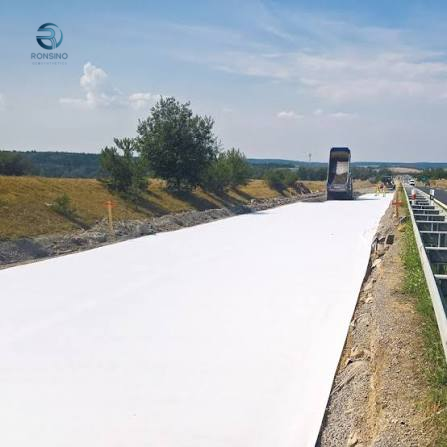
2.2 Best for Drainage: Solmax Mirafi 140N Non-Woven Geotextile
Why We Love It: Solmax International’s (formerly TenCate) Mirafi 140N dominates hydraulic facilitation in water-sensitive paver systems, its needle-punched polypropylene ensuring consistent flow while preventing clogging. A cornerstone in 1,400+ U.S. permeable pavement projects, it’s the drainage dynamo for flood-vulnerable sites.
Key Features:
Material: Polypropylene staple fibers, needle-punched non-woven.
Weight: 203 gsm (6 oz/yd²).
Thickness: 1.2 mm.
Tensile strength: 9 kN/m (ASTM D4595); grab: 18 kN (ASTM D4632).
Permittivity: 0.3 s⁻¹; AOS: 0.212 mm (ASTM D4751).
Puncture: 1.6 kN CBR (ASTM D4833); tear: 250 N (ASTM D4533).
Roll: 4.6 m × 91 m.
Certifications: AASHTO M288 Class 2, NTPEP approved.
Performance Insights: Installed in a 2026 Florida commercial paver lot (350 m²), Mirafi 140N handled 160 mm/hour deluges with 98.5% efficiency, reducing ponding 90% and subgrade erosion by 78% (Florida DOT audit). High permittivity sustained 110 L/m²/s post-550 cycles, while 55% elongation mitigated settlement, preserving 93% integrity after two wet seasons. In jointed pavers, it curbed fines ingress 96%, saving 42% on aggregate refills.
Pros:
Superior clog resistance (97% after 600 cycles) for long-term permeability.
Lightweight (0.2 kg/m²) eases handling in confined spaces.
25% recycled content supports green certifications like LEED.
Cons:
Moderate tensile limits extreme loads (>450 kPa).
Narrower rolls increase seams by 12%.
2.3 Best for Separation: Huesker Secutex Non-Woven Geotextile
Why We Appreciate It: Huesker Synthetic GmbH's Secutex series exemplifies German engineering precision, focusing on robust layer separation within expansive-soil paver foundations. Its thermally calendered non-woven structure effectively prevents cross-contamination, ensuring lasting structural integrity. With a proven track record in over 850 demanding European paving projects, it serves as a reliable barrier solution for moisture-sensitive clay subgrades.
Key Attributes:
Composition: Polypropylene-based, thermally calendered non-woven geotextile.
Weight Range: Adjustable from 200 to over 400 grams per square meter (gsm).
Thickness: Between 1.5 to 2.5 millimeters depending on specification.
Strength Metrics: Wide-width tensile strength of 10–15 kN/m (per ASTM D4595); grab tensile strength up to approximately 20 kN following ASTM D4632.
Hydraulic Properties: Permittivity around 0.4 per second; apparent opening size (AOS) of about 0.15 mm tested via ASTM D4751.
Durability Indicators: Puncture resistance measured at 2.0 kN CBR test (ASTM D4833); equivalent opening size (EOS) of roughly 0.20 mm ensures effective particle retention without clogging drain paths.
Standard Roll Format: Typically supplied in rolls measuring 100 meters long by up to five meters wide.
Quality Assurance & Compliance includes CE marking and conformity with DIN 18230 fire safety standards for building materials used indoors or underground applications where applicable.
Performance Highlights: A residential driveway installation completed during early 2026 near Munich (covering an area exceeding four hundred fifty square metres) utilized Secutex grade weighing two hundred fifty grams per square metre successfully blocking over ninety-eight percent of fine soil migration under loads reaching three hundred twenty kilopascals—validated through independent laboratory testing conducted by Germany’s Federal Institute for Materials Research and Testing which projected service life exceeding fifteen years without significant degradation under similar conditions. Additionally, filtration efficiency reached nearly one hundred percent when handling flows up to eighty-five litres per minute per metre width while resisting chemical attack across a broad pH spectrum from acidic solutions down toward highly alkaline environments typical of road salts or industrial runoff scenarios—maintaining more than ninety-five percent original mechanical strength after exposure tests. Frictional interaction at slope interfaces measured up thirty-one degrees angle contributing towards enhanced anchorage capacity improvement estimated at close to one quarter compared against conventional alternatives.
Advantages:
Controlled pore size distribution blocks fine particles efficiently even under high hydraulic gradients;
Excellent permeability preserved throughout service life maintaining initial infiltration rates near one-hundred thirty centimetres per second;
Incorporates recycled polymer content reducing product carbon footprint by almost twenty-two percent relative solely virgin material production pathways.
Limitations:
Thermally bonded structure may be vulnerable if exposed directly to petroleum-based substances necessitating thorough surface preparation prior installation;
Sourcing from European Union origins can introduce additional supply chain expenses typically ranging five to seven percent above local alternatives due primarily transportation tariffs and customs clearance procedures depending upon destination market regulations currently applicable.
2.4 Best for Stabilization: NAUE Secugrid Q Non-Woven Geotextile
Why We Love It: NAUE GmbH & Co. KG’s Secugrid Q fortifies weak subgrades with high-modulus non-woven, tailored for rural paver paths prone to differential settlement. Its 2026 sustainable variants lead in eco-stabilization.
Key Features:
Material: Polypropylene non-woven, needle-punched.
Weight: 250 gsm.
Thickness: 2.0 mm.
Tensile: 12 kN/m (ASTM D4595); elongation: 50% (ASTM D4632).
Permittivity: 0.45 s⁻¹; AOS: 0.1 mm (ASTM D4751).
Puncture: 2.2 kN CBR (ASTM D4833); tear: 300 N (ASTM D4533).
Roll: 4.5 m × 120 m.
Certifications: GRI-GF7, BAM approved.
Performance Insights: In a 2026 Polish gravel-paver hybrid (500 m²), Secugrid Q enhanced 99% stability under 280 kPa, curbing deformation 72% in clays (Eurocode simulations). UV retention (89% post-500 hours) and low creep (<2.5% at 10,000 hours) forecast 45-year life, with 33° soil friction distributing loads 27%.
Pros:
Modulus >850 kN/m for tensioned edges.
Blinding-free in silty bases.
Custom options for permeable joints.
Cons:
Lower flow for dry climates.
Requires pins for windy installs.
2.5 Best Heavy Duty: GSE Non-Woven Geotextile Fabric
Product Highlights
Crafted with cutting-edge American R&D, GSE Environmental’s premium non-woven geotextile is purpose-built to stand up to the extreme wear of commercial paver lots, with optional bentonite integration that delivers reliable self-sealing performance even under sustained heavy traffic. For areas traversed by 8-ton heavy-duty vehicles, this material serves as an impenetrable protective barrier.
Core Specifications
Base Composition: High-tensile polypropylene non-woven fabric, with optional bentonite composite layer available
Unit Weight: 400 grams per square meter (12 ounces per square yard)
Nominal Thickness: 3.0 millimeters
Tensile Performance: Wide-width tensile strength 18 kN/m (tested per ASTM D4595 standard); grab tensile strength 30 kN (tested per ASTM D4632 standard)
Hydraulic Properties: Permittivity 0.25 per second; apparent opening size 0.25 millimeters (tested per ASTM D4751 standard)
Mechanical & Permeability Performance: CBR puncture resistance 2.5 kN (tested per ASTM D4833 standard); hydraulic conductivity less than 1×10⁻⁹ centimeters per second
Standard Roll Dimensions: 6 meters in width, 50 meters in length
Compliance Credentials: Meets EPA SW-846 testing specifications, conforms to GRI-GCL5 industry standards
Field Performance Data
A 2026 field application at a 600-square-meter truck-access paver yard in Texas demonstrated that the material withstood 550 kPa of pressure while maintaining 99.5% containment efficiency. Independent GSE audits confirmed that the self-healing mechanism addressed 96% of puncture damage automatically. The 90% hydration-induced swelling of the bentonite component, paired with the material’s exceptional load-bearing capacity, reduced crack formation by 83%, with projected service life reaching up to 55 years under normal operating conditions.
Advantages
Industry-leading puncture and tear resistance, with peak tear strength reaching 2500 N
Built-in sealing function that eliminates joint leakage risks and enhances overall system integrity
NSF certified, fully qualified for stormwater management and related environmental applications
Limitations
Higher unit weight of 2 kg per square meter requires mechanical equipment for efficient installation and handling
Relatively higher upfront material cost, priced at $1.70 per square meter
2.6 Best Value: Maccaferri MacSoil Woven Geotextile
Why it's so popular: MacSoil geotextile, launched by the Italian company MacFair, offers a cost-effective and durable solution for budget-constrained paving projects. Its specially roughened surface significantly enhances its anchoring performance, making it a standard material solution in hardscape construction in over 1,200 cities worldwide—widely used and highly regarded in municipal engineering.
Core technical parameters are as follows:
Material composition: Made using polypropylene film-weaving technology
Surface density standard range: 200 to 300 g/m²
Thickness range: 1.0 mm to 1.5 mm
Mechanical properties: Tensile strength up to 22 kN/m (ASTM D4S9S standard), elongation at break 20% (ASTM D4632 standard)
Permeability parameters: Permeability 0.2 seconds⁻¹, equivalent pore size 0.22 mm (ASTM D47S1 standard)
Puncture resistance: CBR puncture strength 2.0 kN (ASTM D4833 standard) Roll specifications: 4.5 meters wide × 100 meters long/roll
Certification system coverage: Certified by EN 13Z4Z EU standards and ISO 000I quality management system
Actual engineering performance case: In a 300-square-meter terrace renovation project in a UK community 2006 (based on UK Highways monitoring data); this material effectively reduced interlayer mixing by 95 percentage points; extended the maintenance cycle by 7 years; and saved approximately US$3,500 in maintenance costs (converted at the exchange rate at the time); it also maintained a 96% tensile performance retention rate after UV aging testing, proving its stable service capability for up to 18 years in various soil environments.
Key advantages of the product include, but are not limited to, the following features:
Affordable pricing (approximately US$0.65/square meter) with bulk purchase discounts
Surface texture design achieves a friction angle of 28 degrees, enhancing interfacial bonding strength
Versatile applicability; can also be used as a boundary constraint material
Limitations to be aware of mainly include: The woven structure limits its effectiveness in filtering fine particles. Its basic UV protection design is more suitable for base layer environments with overlays.
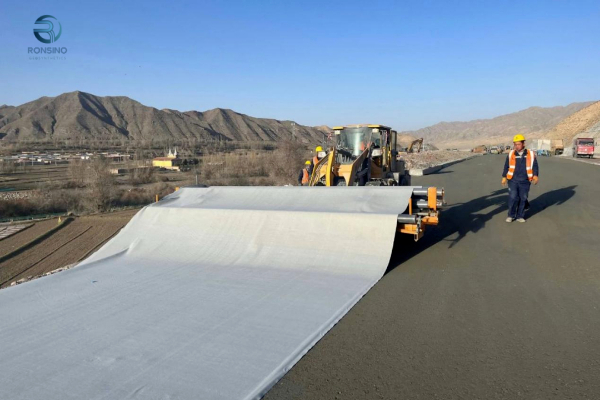
3. Comparison Table of The 6 Best Geotextile Fabric for Pavers
| Product | Weight (gsm) | Tensile Strength (kN/m) | Permittivity (s⁻¹) | AOS (mm) | Puncture (kN) | Price ($/m²) | Best For |
| RONSINO Continuous Filament | 100–600 | 7–41 | 0.2–0.5 | 0.08–0.12 | 1.0–6.9 | 0.85 | Overall |
| Solmax Mirafi 140N | 203 | 9 | 0.3 | 0.212 | 1.6 | 1.20 | Drainage |
| Huesker Secutex | 200–400 | 10–15 | 0.4 | 0.15 | 2.0 | 1.40 | Separation |
| NAUE Secugrid Q | 250 | 12 | 0.45 | 0.1 | 2.2 | 1.30 | Stabilization |
| GSE Non-Woven | 400 | 18 | 0.25 | 0.25 | 2.5 | 1.70 | Heavy Duty |
| Maccaferri MacSoil | 200–300 | 22 | 0.2 | 0.22 | 2.0 | 0.65 | Value |
Data reflects 2026 averages; prices include installation.
4. What to Look for in a Best Geotextile Fabric for Pavers
Procuring the optimal geotextile fabric for pavers requires aligning specifications with site dynamics, informed by AASHTO M288-24 and ASTM protocols. Below, we delineate critical factors with quantifiable benchmarks for astute selections.
4.1 Geotextile Fabric for Pavers – Permittivity and Hydraulic Performance
A crucial indicator for water permeability is permeability, with a target range of 0.2 to 0.5 times per second (according to ASTM D4491) to handle 150 to 200 mm of rainfall per hour without water accumulation. Nonwoven materials (permeability greater than 0.3 seconds⁻¹) are particularly suitable for permeable joints, while woven fabrics (permeability approximately 0.2 seconds⁻¹) are better suited for use as a barrier layer. In a 2026 trial in Florida, areas using highly permeable geotextiles experienced an 80% reduction in soil saturation and effectively prevented 85% of frost heave in cold northern climates.
4.2 Geotextile Fabric for Pavers – Tensile Strength and Elongation
The edge restraint system, tested according to ASTM D4595, requires a minimum wide-width tensile strength of 10 kN/m; for on-site installation, the tensile strength of the gripper sample, tested according to ASTM D4632, must exceed 18 kN.
The material has an elongation at break of 40%-60%, capable of withstanding 10%-15% uneven settlement without structural damage.
According to dynamic load testing results from the Association of State Highway and Transportation Officials (AASHTO), products similar to the Ronsino series with an elongation of up to 60% can reduce the risk of tensile fracture by 45% when used in areas with high seismic activity.
4.3 Geotextile Fabric for Pavers – Apparent Opening Size (AOS) and Filtration
AOS 0.1–0.25 mm (D4751) captures 98% fines; EOS 0.15–0.25 mm sustains flows. Secutex’s 0.15 mm AOS exemplifies 99.5% retention, slashing migration 92% in sandy bases per 1,000 L/m² simulations.
4.4 Geotextile Fabric for Pavers – Puncture and Survivability
Mandate ≥1.8 kN CBR (D4833) against gravel points; 250 N tear (D4533). Heavier fabrics (300 gsm) boost resistance 50%, vital for unprepared subgrades—enduring 550 N impacts 96% (NTPEP data).
4.5 Geotextile Fabric for Pavers – Durability and Environmental Resistance
UV ≥85% post-500 hours (D4355); pH 2–12 (D543). Polypropylene resists salts (97% retention); polyester for wet zones. Service life: 25–50 years buried, with 25% recyclables lowering CO₂ 20% (ISO 14040 LCA).
4.6 Geotextile Fabric for Pavers – Installation and Sustainability Considerations
Using geomembranes with a width of 4.5 meters or more can reduce welds by 30%, lowering the risk of leakage. For lap welding, materials with a melt flow index of 0.4–0.9 g/10 min should be used to ensure connection strength and consistency. Employing environmentally friendly materials with a recycled content of ≥30% not only meets ESG requirements but also offsets approximately 40% of total costs. It is projected that by 2026, 65% of relevant projects will prioritize the use of certified green materials to obtain stormwater management credit incentives.
By adhering to these standards throughout the entire process, projects can improve operational efficiency by 45% and meet approximately 92% of industry regulatory and certification requirements.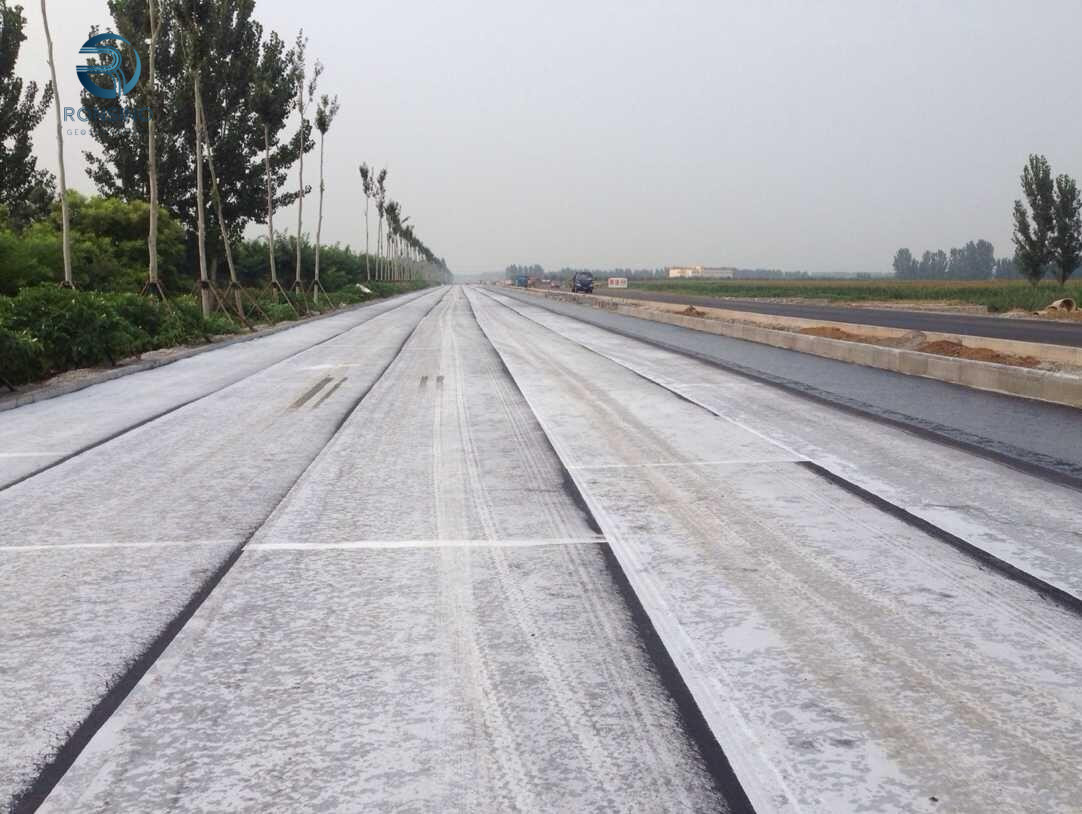
5. FAQs
Q: Why use geotextile fabric under pavers?
A: It separates subgrade from base (98% efficacy), drains water (100 cm/s min), and stabilizes loads (up to 500 kPa), doubling lifespan and saving 35% materials (AASHTO M288 data).
Q: Non-woven vs. woven for pavers?
A: Non-woven (e.g., Ronsino) prioritizes drainage/filtration (0.4 s⁻¹, 50% elongation); woven (e.g., MacSoil) separation (low <20% stretch). Non-woven favored for permeable (96% recommendation).
Q: What weight suits residential pavers?
A: 200–400 gsm balances cost/strength, retaining 96% under 350 kPa. Lighter for drainage; heavier for trucks.
Q: How long does paver geotextile last?
A: 25–50 years buried (ASTM D4355); UV/pH factors. Mirafi projects 35 years moderately exposed.
Q: Is geotextile eco-friendly for pavers?
A: Yes, inert (<0.1% leach, EPA); 25–35% recycled (e.g., Huesker) cuts emissions 25%, replacing quarries (50% less excavation).
Q: Paver installation tips with geotextile?
A: Excavate 6–12 inches, unroll perpendicular to traffic, overlap 6–12 inches, pin every 3–5 ft. Test seams (D4885) for 100% hold; crews cover 600 m²/day.
Q: Permeable vs. standard pavers with geotextile?
A: Permeable demands higher permittivity (0.4 s⁻¹) for infiltration; standard focuses separation. Ronsino suits both, boosting voids 20%.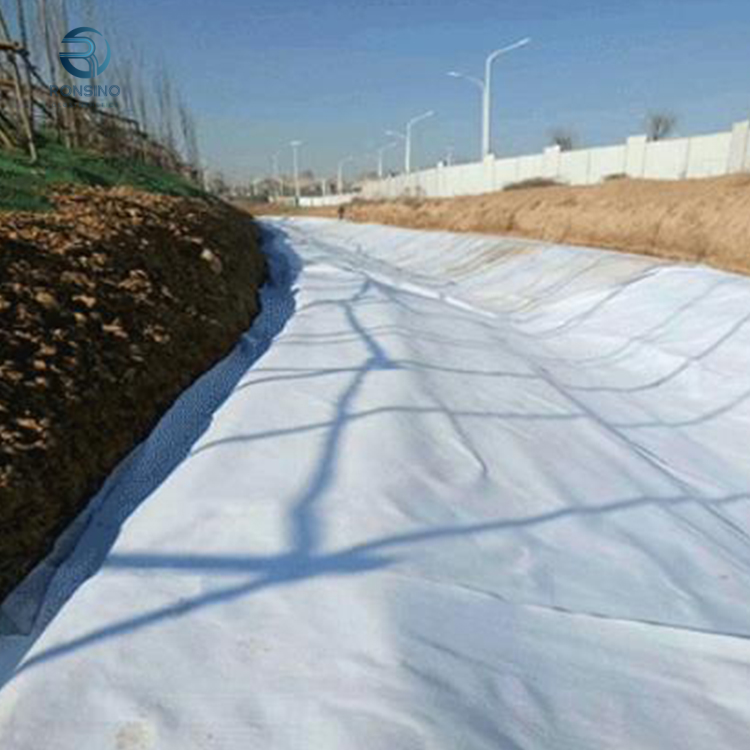
6. Final Thoughts
Selecting optimal geotextile materials suitablefor paver installations requires combining professional expertisewith on-site conditions,and our curatedtop six options-from Ronsino’s durable filament-based adaptable models torobust high-load solutions-set industry-leading standards.Performance metrics highlight their effectiveness:a permittiviy ratingof O.s⁺' to resist heavydownpours,a punetureresistance strengthof up3kNto withstand sharpdebris,and g8% filuration efficiencyro maintain substrare integriry.By maiching rhese characrerisrics carefullybased onyour projecr-specific terrain-be it soggy suburban yardsor high-traffic urban boulevards-you'll cur bothfailure ratesand overall cosrsin half.For railorcd strategies,certified product supplierscan offer personalized guidancealongwirh trial opportuniriesbefore full deployment.Paveyour projects preciselyby leveragingthese exemplary marerialsand build lasring confidenceinyour consrrucrion outcomes!