What Key Benefits Does Geotechnical Textile Offer?
Blog · 2026-06-18 · 0 views
Geosynthetic fabric, or geotextile, is a high-performance porous material made of synthetic polymer fibers like PET or polypropylene. Designed to interact with soil, runoff and construction substrates, it has subtly reshaped modern construction and ecological engineering by solving complex technical challenges.You may have already benefited from its unseen effects when driving on expressways built over waterlogged marshes, walking on stable mountain hiking paths, or seeing river embankments hold up after heavy rains. Usually buried underground, RONSINO geotextile is a fundamental component of modern engineering and ecological protection projects. Below we will explain its core merits, specific functions, key advantages and wide range of applications.
1. What Is Geo Tech Fabric?
Geosynthetic textiles, often referred to as geotextiles, are manufactured from robust polymer compounds such as polypropylene or polyester. These materials function as advanced engineered fabrics specifically designed to interface with soil systems, manage water flow, and interact with various construction materials. In contrast to conventional textiles, geotextiles are constructed to endure severe environmental stresses, including intense thermal variations , aggressive chemical interactions, and prolonged mechanical degradation over extended periods of service.
There are two main types:
1.1 Woven Geotextiles:
Like a tightly woven network, they provide excellent support for heavy-duty tasks such as reinforcing roads or stabilizing retaining walls.
1.2 Non-Woven Geotextiles:
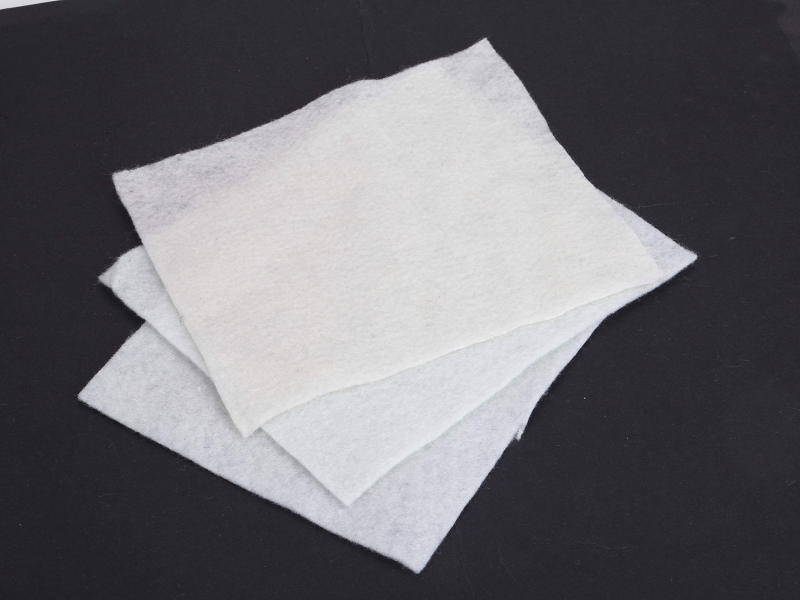
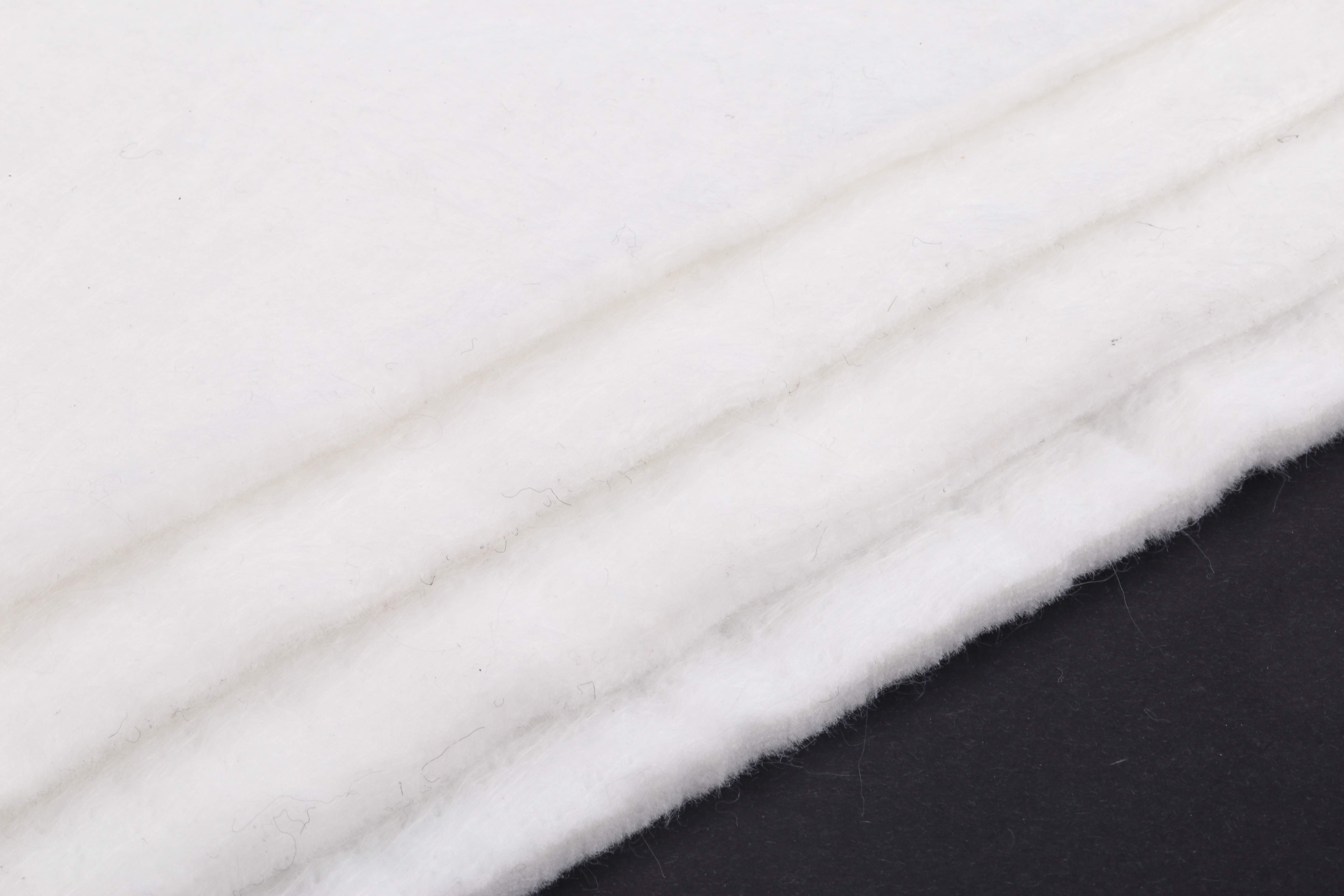
These have a fuzzy, felt-like texture and excel at filtration and drainage, such as preventing soil from clogging drainage pipes.
Be it of woven or non-woven construction, geotechnical fabric serves as a highly practical solution for civil engineers, agricultural producers, and even home gardening enthusiasts alike. Its exceptional utility stems from its straightforward yet ingenious design: it delivers reliable functions of structural reinforcement, filtration separation, erosion protection, and water drainage, all while remaining discreetly concealed beneath the surface during application.
Fabric Geotextile for Landscape Drain
Non Woven Geotextile Filter Fabric
![]()
2. Top Benefits of Geo Tech Fabric
2.1 Geo Tech Fabric – Reinforces Weak or Unstable Ground
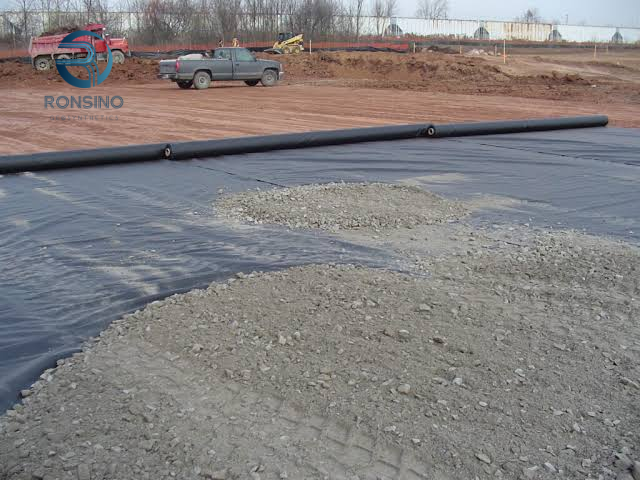
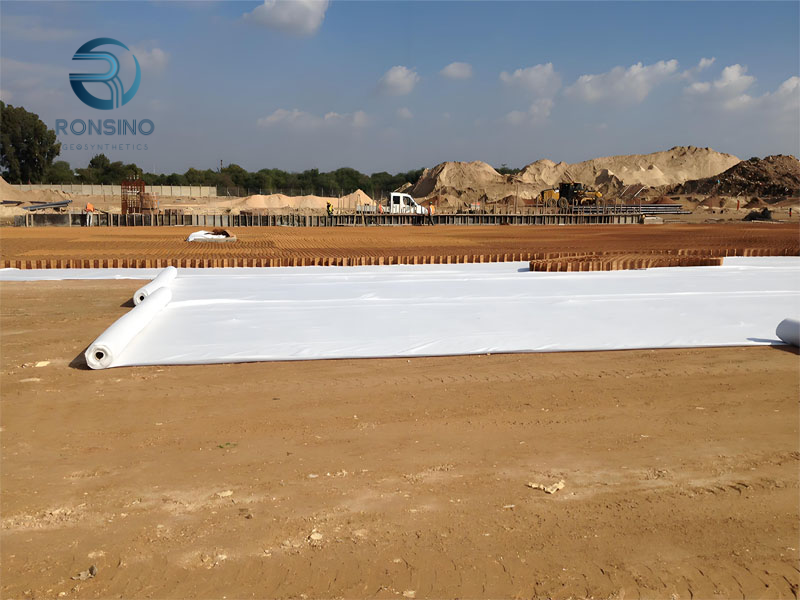
Building on soft, sandy or unstable terrain is like building on a wobbly, unbalanced dining table. The traditional solution (excavating unqualified soil and replacing it with stable aggregate) is costly and takes a long time. Geotextiles simplify the process: When laid between layers of soil or gravel, they act as a high-strength reinforcing mesh, evenly distributing loads to the substrate and preventing soil shifting or foundation settlement.
Example: A highway built over marshland uses geotextile to create a stable base, avoiding the need to remove and replace tons of unstable soil.
2.2 Geo Tech Fabric – Stops Soil Erosion in Its Tracks
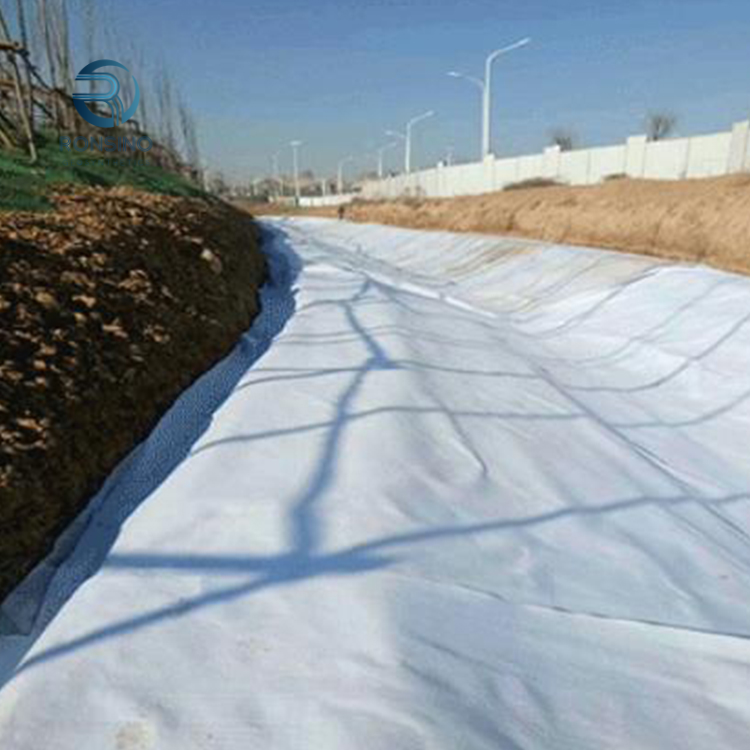
Erosion – whether from wind, rain or waves – can wreak havoc on landscapes, washing away fertile farmland or damaging infrastructure. Geotextiles combat this process by holding the soil in place. When laid on slopes, riverbanks or coastal areas, it acts as a protective blanket covering the surface. Over time, plants grow through the fabric, creating a natural barrier that blends human engineering with nature’s self-healing capabilities.
Example: After a wildfire, geotextile is used on charred hillsides to hold soil until new vegetation regrows, preventing mudslides.
2.3 Geo Tech Fabric – Manages Water Like a Pro
Poor drainage often leads to waterlogging in farmland, cracked building foundations or water accumulation in yards. Permeable geotextile can efficiently filter, allowing excess water to penetrate smoothly while trapping fine soil particles, loose gravel and various debris. This reliable separation mechanism ensures long-term stable operation of the underground drainage system and effectively prevents the risk of blockage caused by sediment accumulation.
Example: In a backyard garden, geotextile placed under gravel paths ensures rainwater drains away without turning the soil into mud.
2.4 Geo Tech Fabric – Saves Money, Time, and Resources
Geo tech fabric is a budget-friendly game-changer:
Reduces Material Costs: It minimizes the need for thick layers of gravel, concrete, or soil.
Speeds Up Projects: Lightweight and easy to cut, it’s faster to install than traditional methods.
Long-Term Savings: Its durability means fewer repairs or replacements over time.
Example: A farmer building a dirt road uses geotextile to stabilize the ground instead of importing expensive rock, slashing costs by up to 50%.
2.5 Geo Tech Fabric – Eco-Friendly Superpowers
Though made from plastic, geotech fabric supports sustainability in surprising ways:
Protects Ecosystems: By preventing erosion, it safeguards habitats for plants and wildlife.
Reduces Carbon Footprint: Less excavation and transportation of heavy materials mean fewer emissions.
Recyclable Options: Some geotextiles are designed to be recycled, reducing waste.
3. Where Is Geo Tech Fabric Used?
This material’s versatility shines across countless applications:
3.1 Construction and Infrastructure
Roads and Highways: Prevents potholes by reinforcing weak soil beneath asphalt.
Railways: Stabilizes tracks to avoid shifting or sinking.
Retaining Walls: Acts as a hidden layer to distribute pressure and prevent collapse.
3.2 Agriculture and Landscaping
Drainage Systems: Lines ditches or fields to prevent waterlogging and protect crops.
Greenhouses: Controls weeds and improves soil structure in raised beds.
Eco-Lawns: Used under artificial turf to allow drainage and reduce maintenance.
3.3 Environmental Protection
Landfills: Separates waste layers and filters harmful liquids.
Coastal Defense: Shields beaches and dunes from erosion caused by storms.
Reforestation: Stabilizes soil in areas recovering from deforestation or mining.
3.4 Everyday Applications
Home Gardens: Placed under mulch to suppress weeds while letting water through.
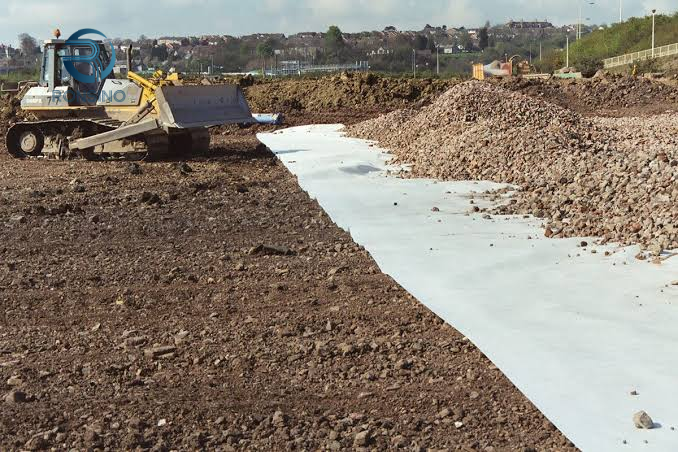
Driveways: Reinforces gravel paths to prevent ruts and sinking.
Playgrounds: Provides a stable base under artificial surfaces like rubber mulch.
4. Why Choose Geo Tech Fabric Over Traditional Methods?
Before geotextiles, engineers relied on methods like:
Thick gravel layers: Expensive, heavy, and time-consuming to install.
Concrete walls: Rigid, costly, and environmentally disruptive.
Natural fibers (e.g., jute): Biodegrade quickly, requiring frequent replacement.
Geo tech fabric offers a modern alternative: it’s lightweight, adaptable, and long-lasting. For instance, a single layer of geotextile can replace feet of gravel in a drainage system—saving time, money, and physical labor.
High Strength Geotextile Fabric for Reinforcement
Non Woven 150g M2 Geotextile for Driveway
5. The Future of Geo Tech Fabric
Innovations are making geotextiles even smarter and greener:
Biodegradable Options: Researchers are developing plant-based geotextiles that decompose after stabilizing soil long enough for vegetation to grow.
Smart Sensors: Some fabrics now integrate sensors to monitor soil health or stress levels in real time.
Recycled Materials: Manufacturers are using recycled plastics to reduce environmental impact.
6. Conclusion
Geosynthetics are key materials for construction and infrastructure. They can reinforce soil layers, protect ecology, reduce raw material consumption, and solve engineering problems such as surface erosion, inefficient drainage, and structural instability. They are essential components for various projects. It has applications ranging from intercity highway construction to residential backyard soil stabilization. Although this type of material is little known to the public, it can effectively ensure the quality of the project. Steep slopes that remain intact after heavy rains and roads that are smooth all year round often have the stability and durability of their underground support structures.
1. What Is Geo Tech Fabric?
Geosynthetic textiles, often referred to as geotextiles, are manufactured from robust polymer compounds such as polypropylene or polyester. These materials function as advanced engineered fabrics specifically designed to interface with soil systems, manage water flow, and interact with various construction materials. In contrast to conventional textiles, geotextiles are constructed to endure severe environmental stresses, including intense thermal variations , aggressive chemical interactions, and prolonged mechanical degradation over extended periods of service.
There are two main types:
1.1 Woven Geotextiles:
Like a tightly woven network, they provide excellent support for heavy-duty tasks such as reinforcing roads or stabilizing retaining walls.
1.2 Non-Woven Geotextiles:
These have a fuzzy, felt-like texture and excel at filtration and drainage, such as preventing soil from clogging drainage pipes.
Be it of woven or non-woven construction, geotechnical fabric serves as a highly practical solution for civil engineers, agricultural producers, and even home gardening enthusiasts alike. Its exceptional utility stems from its straightforward yet ingenious design: it delivers reliable functions of structural reinforcement, filtration separation, erosion protection, and water drainage, all while remaining discreetly concealed beneath the surface during application.
Fabric Geotextile for Landscape Drain
Non Woven Geotextile Filter Fabric
2. Top Benefits of Geo Tech Fabric
2.1 Geo Tech Fabric – Reinforces Weak or Unstable Ground
Building on soft, sandy or unstable terrain is like building on a wobbly, unbalanced dining table. The traditional solution (excavating unqualified soil and replacing it with stable aggregate) is costly and takes a long time. Geotextiles simplify the process: When laid between layers of soil or gravel, they act as a high-strength reinforcing mesh, evenly distributing loads to the substrate and preventing soil shifting or foundation settlement.
Example: A highway built over marshland uses geotextile to create a stable base, avoiding the need to remove and replace tons of unstable soil.
2.2 Geo Tech Fabric – Stops Soil Erosion in Its Tracks
Erosion – whether from wind, rain or waves – can wreak havoc on landscapes, washing away fertile farmland or damaging infrastructure. Geotextiles combat this process by holding the soil in place. When laid on slopes, riverbanks or coastal areas, it acts as a protective blanket covering the surface. Over time, plants grow through the fabric, creating a natural barrier that blends human engineering with nature’s self-healing capabilities.
Example: After a wildfire, geotextile is used on charred hillsides to hold soil until new vegetation regrows, preventing mudslides.
2.3 Geo Tech Fabric – Manages Water Like a Pro
Poor drainage often leads to waterlogging in farmland, cracked building foundations or water accumulation in yards. Permeable geotextile can efficiently filter, allowing excess water to penetrate smoothly while trapping fine soil particles, loose gravel and various debris. This reliable separation mechanism ensures long-term stable operation of the underground drainage system and effectively prevents the risk of blockage caused by sediment accumulation.
Example: In a backyard garden, geotextile placed under gravel paths ensures rainwater drains away without turning the soil into mud.
2.4 Geo Tech Fabric – Saves Money, Time, and Resources
Geo tech fabric is a budget-friendly game-changer:
Reduces Material Costs: It minimizes the need for thick layers of gravel, concrete, or soil.
Speeds Up Projects: Lightweight and easy to cut, it’s faster to install than traditional methods.
Long-Term Savings: Its durability means fewer repairs or replacements over time.
Example: A farmer building a dirt road uses geotextile to stabilize the ground instead of importing expensive rock, slashing costs by up to 50%.
2.5 Geo Tech Fabric – Eco-Friendly Superpowers
Though made from plastic, geotech fabric supports sustainability in surprising ways:
Protects Ecosystems: By preventing erosion, it safeguards habitats for plants and wildlife.
Reduces Carbon Footprint: Less excavation and transportation of heavy materials mean fewer emissions.
Recyclable Options: Some geotextiles are designed to be recycled, reducing waste.
3. Where Is Geo Tech Fabric Used?
This material’s versatility shines across countless applications:
3.1 Construction and Infrastructure
Roads and Highways: Prevents potholes by reinforcing weak soil beneath asphalt.
Railways: Stabilizes tracks to avoid shifting or sinking.
Retaining Walls: Acts as a hidden layer to distribute pressure and prevent collapse.
3.2 Agriculture and Landscaping
Drainage Systems: Lines ditches or fields to prevent waterlogging and protect crops.
Greenhouses: Controls weeds and improves soil structure in raised beds.
Eco-Lawns: Used under artificial turf to allow drainage and reduce maintenance.
3.3 Environmental Protection
Landfills: Separates waste layers and filters harmful liquids.
Coastal Defense: Shields beaches and dunes from erosion caused by storms.
Reforestation: Stabilizes soil in areas recovering from deforestation or mining.
3.4 Everyday Applications
Home Gardens: Placed under mulch to suppress weeds while letting water through.
Driveways: Reinforces gravel paths to prevent ruts and sinking.
Playgrounds: Provides a stable base under artificial surfaces like rubber mulch.
4. Why Choose Geo Tech Fabric Over Traditional Methods?
Before geotextiles, engineers relied on methods like:
Thick gravel layers: Expensive, heavy, and time-consuming to install.
Concrete walls: Rigid, costly, and environmentally disruptive.
Natural fibers (e.g., jute): Biodegrade quickly, requiring frequent replacement.
Geo tech fabric offers a modern alternative: it’s lightweight, adaptable, and long-lasting. For instance, a single layer of geotextile can replace feet of gravel in a drainage system—saving time, money, and physical labor.
High Strength Geotextile Fabric for Reinforcement
Non Woven 150g M2 Geotextile for Driveway
5. The Future of Geo Tech Fabric
Innovations are making geotextiles even smarter and greener:
Biodegradable Options: Researchers are developing plant-based geotextiles that decompose after stabilizing soil long enough for vegetation to grow.
Smart Sensors: Some fabrics now integrate sensors to monitor soil health or stress levels in real time.
Recycled Materials: Manufacturers are using recycled plastics to reduce environmental impact.
6. Conclusion
Geosynthetics are key materials for construction and infrastructure. They can reinforce soil layers, protect ecology, reduce raw material consumption, and solve engineering problems such as surface erosion, inefficient drainage, and structural instability. They are essential components for various projects. It has applications ranging from intercity highway construction to residential backyard soil stabilization. Although this type of material is little known to the public, it can effectively ensure the quality of the project. Steep slopes that remain intact after heavy rains and roads that are smooth all year round often have the stability and durability of their underground support structures.