What is Polypropylene Geotextile?
Blog · 2026-01-21 · 0 views
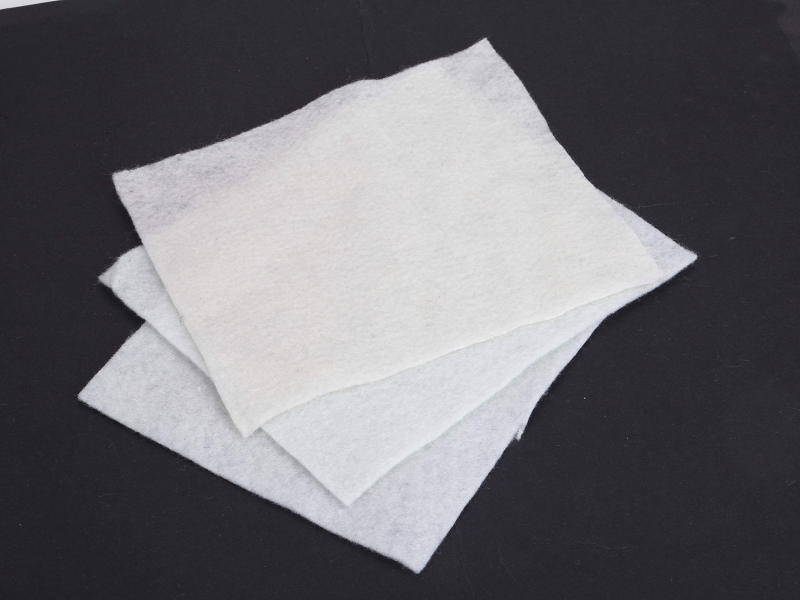
Polypropylene geotextile is prominent in construction for its robustness and benefits. This article explores its characteristics and merits.Often unnoticed underground, it's essential in civil engineering and construction. Highly adaptable, it's used in diverse applications like road construction and erosion control. A novel geotechnical material, it has good stretchability and puncture - resistance, excellent vertical and horizontal drainage, and high acid, alkali, and aging resistance. Widely used for separation, filtration, drainage, and protection in civil engineering, it has a wide range of pore sizes, complex void distribution, and good permeability and filtration performance.
1.What is Polypropylene Geotextile?
Polypropylene geotextile is a high - performance geosynthetic for civil and environmental engineering. Non - woven polypropylene filter fabrics separate, filter and reinforce soil, protect it from external factors and ensure drainage, providing stability and strength to infrastructure.Made of synthetic fibers such as polypropylene or polyester, these permeable geotextiles let water pass through while retaining fine soil particles. This strength - permeability combination reduces soil erosion, maintains drainage to avoid waterlogging and enhances engineered structures' integrity.
Due to their versatility, pp geotextile non woven is broadly used in street and railway construction, conserving walls, slopes, drainage systems, landfills, and landscaping projects. They assist to lengthen the lifespan of engineering buildings by way of stopping soil displacement, enhancing load distribution, and facilitating water management. Additionally, these polypropylene needle punched geotextile is lightweight, chemically resistant, and UV-stable, making them appropriate for long-term outside purposes in quite a number environmental conditions.
2.What are the Characteristics and Advantages of Polypropylene Geotextile?
Polypropylene geotextiles are essential in modern civil engineering, environmental protection and construction due to numerous advantages. They feature high durability, chemical resistance and tensile strength, withstanding harsh environments and heavy loads. Their permeability and filtration control water flow and prevent soil erosion. Resistance to UV and biological decomposition ensures long - term performance under sunlight and moisture. Their lightweight nature and easy installation cut labor and transportation costs, enhancing cost - effectiveness.
2.1 Polypropylene Geotextile - Filtration
Polypropylene geotextile materials allow water to flow through unrestrictedly while safeguarding soil particles. They prevent blockages in drainage systems and ensure an environmentally - friendly approach to water management. Due to these properties, they are highly suitable for street sub - bases, drainage layers, and landfill uses, where appropriate filtration is of utmost importance.
2.2 Polypropylene Geotextile - Separation
Polypropylene nonwoven geotextile serve as a stable partition between different soil layers. They maintain the structural stability by preventing the intermingling of materials with varying characteristics. This particular feature is of great significance in road construction, railway embankments, and slope reinforcement projects. In these scenarios, separating the soil layers helps to improve the distribution of loads and avoid sedimentation issues.
2.3 Polypropylene Geotextile - Strength and Durability
Crafted from remarkable synthetic fibers, Polypropylene needle - punched geotextiles offer high tensile strength, resistance to chemicals, and stability against ultraviolet rays. This enables them to effectively endure substantial mechanical loads, harsh chemicals, and long - term outdoor exposure. As a result, it guarantees the structural dependability and durability of engineering projects.
2.4 Polypropylene Geotextile - Permeability
The polypropylene non - woven geotextile fabric has remarkable water - draining capacity, enabling smooth water flow and effectively stabilizing adjacent soil. This is significant for preventing soil erosion, supporting retaining walls, and ensuring subgrade drainage. In such cases, proper water management is crucial to avoid soil degradation and harm.
2.5 Polypropylene Geotextile - Flexibility
PP geotextiles possess remarkable flexibility, enabling them to adapt readily to uneven surfaces, bends, and gradients. This straightforward installation characteristic renders them suitable for a diverse array of construction situations, including landscape gardening, tunnel projects, and reservoir construction.
2.6 Polypropylene Geotextile - Lightweight
In comparison with ordinary building materials such as concrete or thick gravel layers, this geotextile underlayment is of light weight. This characteristic makes transportation, handling, and installation much easier. As a result, the cost of labor is reduced and the project schedules are expedited.
2.7 Polypropylene Geotextile - Environmental Protection
Numerous polypropylene monofilament geotextiles are crafted from recyclable materials and can be repurposed in several projects, which contributes to sustainable engineering approaches. The utilization of these geotextiles aids in reducing the environmental influence while still maintaining high - performance criteria.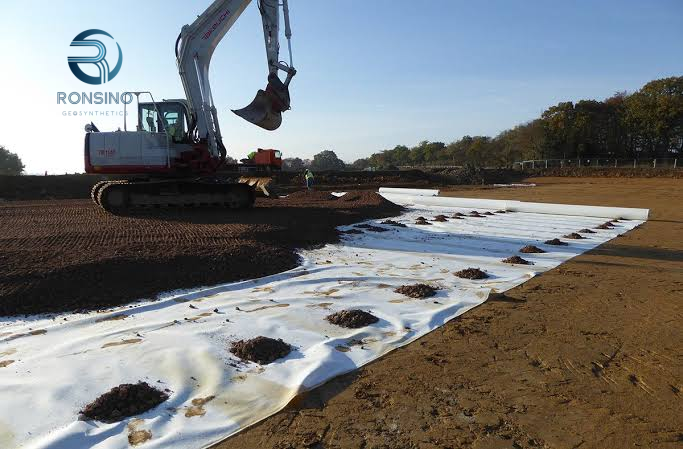
3. What Applications and Advantages Can Polypropylene Geotextile Be Used For?
Polypropylene geotextile geo fabric is a highly adaptable material with wide applications in civil engineering, environmental conservation, agriculture and development projects. Its high strength, excellent permeability and remarkable durability make it ideal for improving soil stability, effectively managing water flow and enhancing project performance. Main applications are as follows:
3.1 Polypropylene Geotextile for Drainage System
Polypropylene non - woven geotextiles are vital in drainage systems. They allow water passage while protecting soil particles, preventing blockages and ensuring efficient water - flow.Common applications are underground drainage, concealed ditches, retaining walls and foundation drainage layers. Used with filters or gravel layers, it can effectively drain water and retain fine soil, guaranteeing the long - term function of the drainage system and soil stability.
3.2 Polypropylene Geotextile for Erosion Control
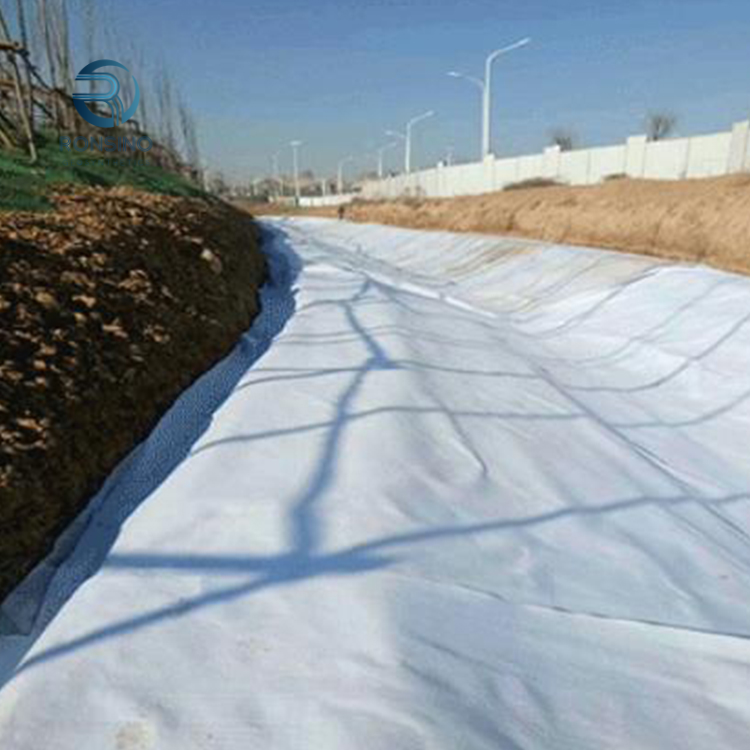
Non - woven geotextile fabrics are crucial for preventing erosion and stabilizing slopes. Polypropylene (PP) geotextiles effectively enhance the stability of embankments, coastlines, riverbanks and sloped areas. They stop soil loss from water runoff or wind, safeguarding infrastructure and the natural environment. These fabrics also reduce sedimentation in watercourses and maintain soil integrity in different regions.
3.3 Polypropylene Geotextile for Road Construction
In street construction, geotextile drainage fabric is installed between the roadbed and base layer. It acts as a separator to prevent soil - aggregate mixing. Geotextile road fabric enhances road durability, reduces rutting and potholes, and optimizes load distribution. This improves traffic safety and extends the service life of highways, railways, and airport pavements by reducing wear - related damage.
3.4 Polypropylene Geotextile for Landfill Applications
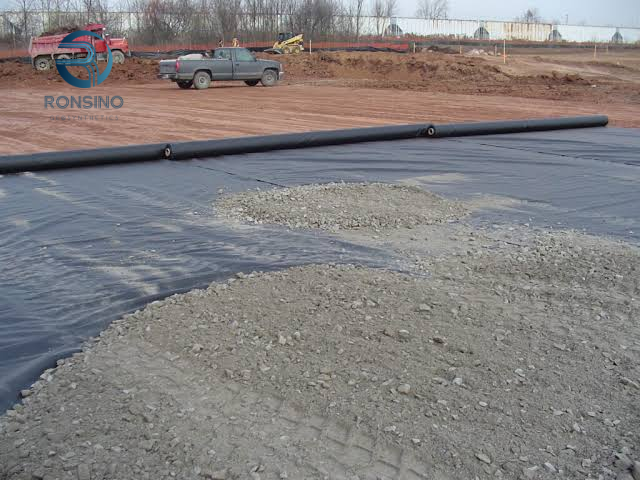
Polypropylene geotextile filter cloth is used in landfill linings and coverings to manage leachate flow, preventing harmful substances in leachate from seeping into surrounding soil and protecting the environment.It serves as a physical barrier for landfill waste. With good drainage, it efficiently removes excess water, maintains landfill stability, and reduces groundwater pollution risk by controlling water and contaminant movement.
3.5 Polypropylene Geotextile for Reinforcement
When used for reinforcement beneath gravel, geotextile fabric adds tensile strength to soils or structural layers, going beyond a stabilizing separator. Common applications include:
- Steep Slopes: Allows steeper slope construction, saving land and sealing materials, making it cost - effective and space - saving for steep - terrain projects.
- Retaining Walls: Serves as a drainage layer, reducing hydrostatic pressure, controlling soil settlement, and preventing erosion to maintain wall stability.
- Coastal and Shoreline Protection: Protects bay coasts and seawalls from water erosion by reducing wave and current impact.
- Land Reclamation Projects: Strengthens reclaimed soil, ensuring stability and durability for future development.
3.6 Polypropylene Geotextile for Gabion Structures
In the construction of gabion retaining partitions and riverbank structures, polypropylene geotextiles play a crucial role in augmenting stability. They effectively perform the functions of filtration and soil retention. By doing so, they significantly enhance the comprehensive performance and durability of these engineered structures.
3.7 Polypropylene Geotextile for Agricultural Applications
Polypropylene non - woven filtering fabric is widely used in agriculture for drainage, irrigation control and soil protection. It prevents waterlogging, maintains soil structure stability and reduces soil erosion in farmlands and orchards.
3.8 Polypropylene Geotextile for Geotechnical Engineering
In civil engineering, polypropylene non - woven geotextile drainage fabric serves key functions such as separation, filtration, drainage and strengthening in construction (e.g., building foundations, road embankments and geotechnical projects).It has remarkable tensile strength and durability, maintaining soil stability under heavy loads and in complex environments. Its high tensile strength resists pulling forces, and durability withstands erosion from moisture, chemicals and mechanical abrasion, ensuring reliable performance in challenging conditions.
3.9 Polypropylene Geotextile for Environmental Protection
Polypropylene geotextile landscape fabric is also important in environmental engineering. Its applications include:
Landfill liners: Enclose hazardous substances, preventing soil and groundwater contamination.
Wetland restoration: Stabilize soil, provide a foundation for plant growth, and restore wetland ecological balance.
Shoreline protection: Mitigate wave and current impacts, reduce erosion, and protect coastal ecosystems and biodiversity.
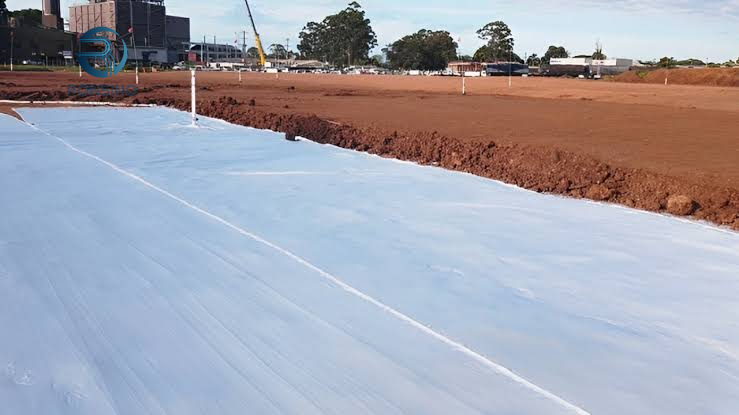
4.Advantages of Using Polypropylene Geotextile
Polypropylene geotextile materials offer numerous advantages across a wide range of civil engineering, environmental, and landscaping uses. The combination of their strength, permeability, chemical resistance, and flexibility renders them an essential material for improving soil stability, handling water, and protecting structures. The main benefits are as follows:
4.1 Polypropylene Geotextile for Soil Reinforcement:
- Durability: Polypropylene geotextiles maintain the long - term stability of reinforced soil structures, ensuring slopes, embankments, and retaining walls keep their integrity over time.
- Lightweight: Its lightweight nature reduces labor and transportation costs. It simplifies and speeds up installation compared to traditional materials.
- Chemical Resistance: It resists acids, alkalis, and other soil chemicals, performing reliably in harsh environments.
4.2 Polypropylene Geotextile for Drainage Systems:
1.Water Handling: It effectively guides water through the material while retaining soil particles. This process prevents the build - up of water and reduces the likelihood of flooding or instability in the soil.
2.Durability: The highly resilient synthetic fibers guarantee that drainage systems can perform well over an extended period. This is true even when they are exposed to high volumes of flowing water and significant mechanical pressure.
3.Installation Convenience: Being flexible and having a low weight, polypropylene geotextile for drainage is easy to install and can be adjusted according to different designs of drainage systems, thus shortening the installation time.
4.3 Polypropylene Geotextile for Erosion Control:
Efficient Soil Preservation: Prevents the movement and loss of soil caused by wind or water, and helps to stabilize slopes, embankments, and riverbanks.
Environmental Conservation: Offers erosion control without the use of chemical stabilizers, aiding in the preservation of natural habitats and the maintenance of ecological equilibrium.4.4 Polypropylene Geotextile for Road and Pavement Construction:
1.Improved Foundation Stability: Reinforces the sub - base soil, enabling a more uniform distribution of additional loads amounting to hundreds of units. This significantly boosts the durability and firmness of roads, expressways, and paved areas.
2.Water Permeability Feature: The driveway fabric for soil stabilization, which is a type of geotextile fabric, facilitates controlled water drainage beneath the road surface. As a result, it reduces the likelihood of water - induced damage like ruts, potholes formation, or weakening of the sub - base.
4.5 Polypropylene Geotextile for Landscaping Applications:
1.Soil Management: Aids in preventing the loss of soil in gardens, public parks, and areas lacking proper greenery upkeep, thereby maintaining both the visual appeal and functional stability of these spaces.
2.Water Penetration: Guarantees a smooth flow of water through the soil. This promotes healthy plant growth while effectively avoiding the problem of excessive water accumulation in the soil.
4.6 Polypropylene Geotextile for Pond and Dam Construction:
1.Underwater Suitability: Geotextile polypropylene underlayment for construction can be installed in underwater settings. It offers excellent stability and protection when submerged in water.
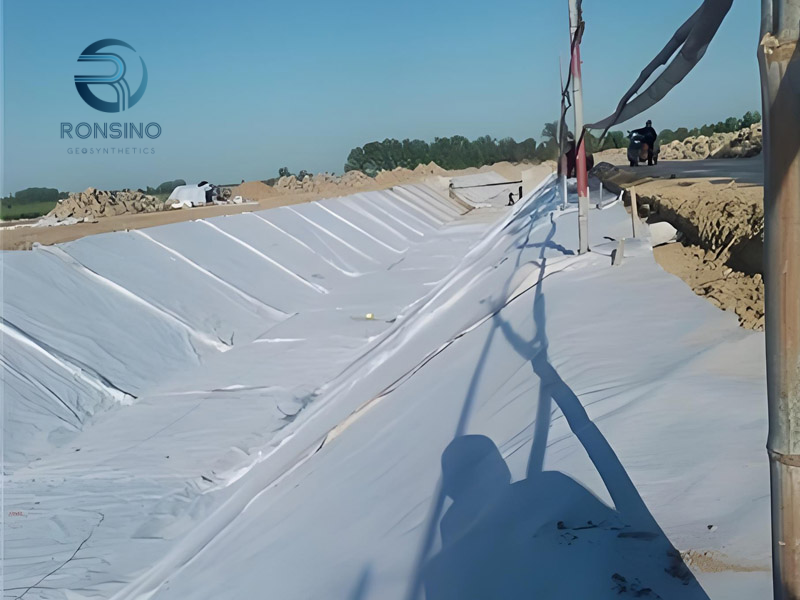
2.Long - lasting Quality: The high durability of this material enables it to withstand water flow, pressure, and the movement of sediment. This property effectively prolongs the service life of ponds, dams, and reservoirs.
Summary
Failure to use polypropylene geotextiles in construction and environmental projects can cause durability, installation, water - pooling and soil - erosion issues. Choosing the right one is vital for soil support, drainage and structure protection.
Polypropylene geotextiles are essential for construction and environmental protection, with functions like filtration and separation, ensuring project stability, extending structure lifespan and aiding environmental protection.
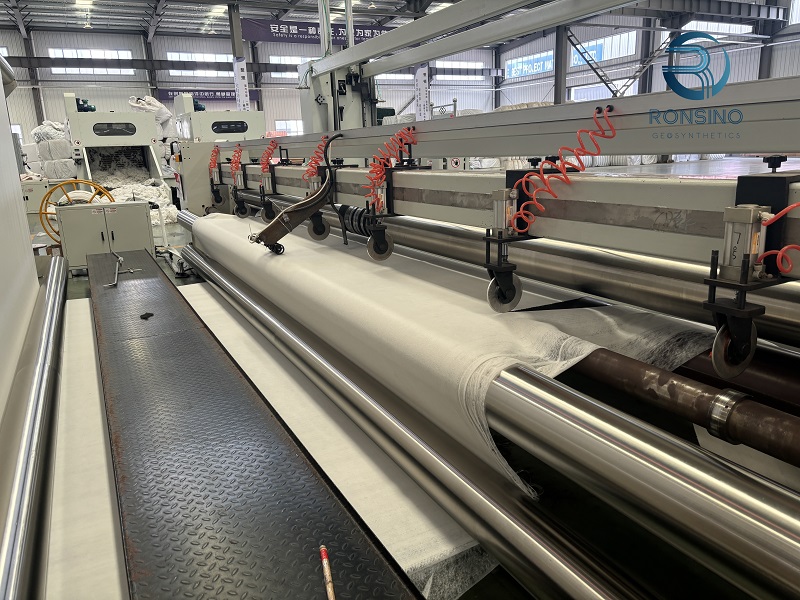
Taian Ronsino New Material Co., Ltd (RONSINO Geosynthetics) provides a wide range of polypropylene geotextiles for high - performance projects. In - house production enables strict quality control, and its international delivery network ensures project durability, performance and environmental - regulation compliance.