What is Geotech Fabric for Roads?
Blog · 2026-01-12 · 0 views
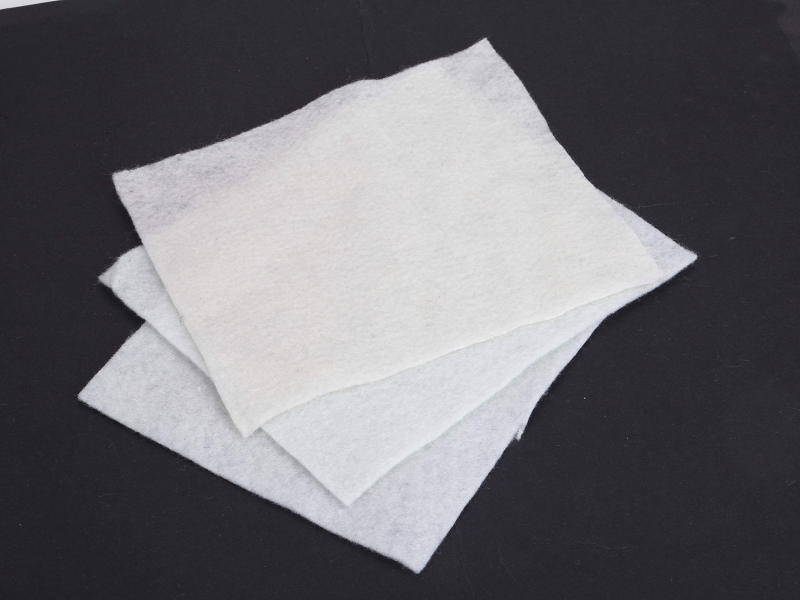
Geotechnical road fabric, used in civil engineering and construction, interacts with soil and other materials for stability and support. Made of synthetic polymers like polyester or polypropylene, it's durable and resistant to environmental factors. It comes in three main forms - woven, non - woven, and knitted, with unique features. Woven fabrics offer high tensile strength, while non - woven ones excel at filtration and drainage.
1. What Is Geotech Road Fabric?
Geotech Road Fabric is for civil engineering and construction. Made of synthetic polymers (e.g., polyester or polypropylene), it's durable and weather - resistant. It comes in woven, non - woven, and knitted types. Woven ones have high tensile strength, non - woven ones are good at filtration and drainage. These permeable geotextiles filter soil particles while allowing water to pass, ideal for soil stabilization and drainage - critical situations.
2. What Are the Key Advantages of Geotech Road Fabric?
2.1Geotech Road Fabric - Enhanced Soil Stability
2.Greatly enhances load - bearing ability, improving road quality and reducing the risk of deformation under heavy loads and external forces.
3.Controls soil erosion by holding soil particles in place, reducing risks like landslides and surface damage, protecting road safety and the environment.
2.2Geotech Road Fabric - Excellent Drainage Capability
1.The fabric's permeability allows water to pass through while keeping soil particles in place.
2.Assists in preventing the build - up of water beneath roads, thereby reducing the hydrostatic pressure exerted on the structure.
3.Minimizes damage caused by frost heave and waterlogging, which have the potential to undermine the road base.
2.3Geotech Road Fabric - High Durability and Long Service Life
2.These fabrics display exceptional resistance against deterioration caused by ultraviolet (UV) light exposure, chemical substances, and biological activities like the growth of mold or bacteria.
3.This characteristic guarantees a consistent and long - lasting performance, reducing the necessity for frequent replacements to a minimum.
2.4Geotech Road Fabric - Easy and Flexible Installation
1.It is lightweight and easy to handle, which reduces the labor intensity during a certain phase of the installation process.
2.It can be cut, molded, and connected to form complex project layouts, including curves, slopes, or irregular terrains.
3.It shortens the development time and reduces the complexity of the project.
2.5Geotech Road Fabric - Cost-Effective Solution
1.Decreases the need for thick composite layers, thereby cutting down on fabric and shipping expenses.
2.Lowers future renovation and repair costs because of better durability and stability.
3.Provides excellent value for money throughout the project's lifespan.
2.6Geotech Road Fabric - Environmentally Friendly
1.Decreases the need for thick composite layers, thereby cutting down on fabric and shipping expenses.
2.Lowers future renovation and repair costs because of better durability and stability.
3.Provides excellent value for money throughout the project's lifespan.
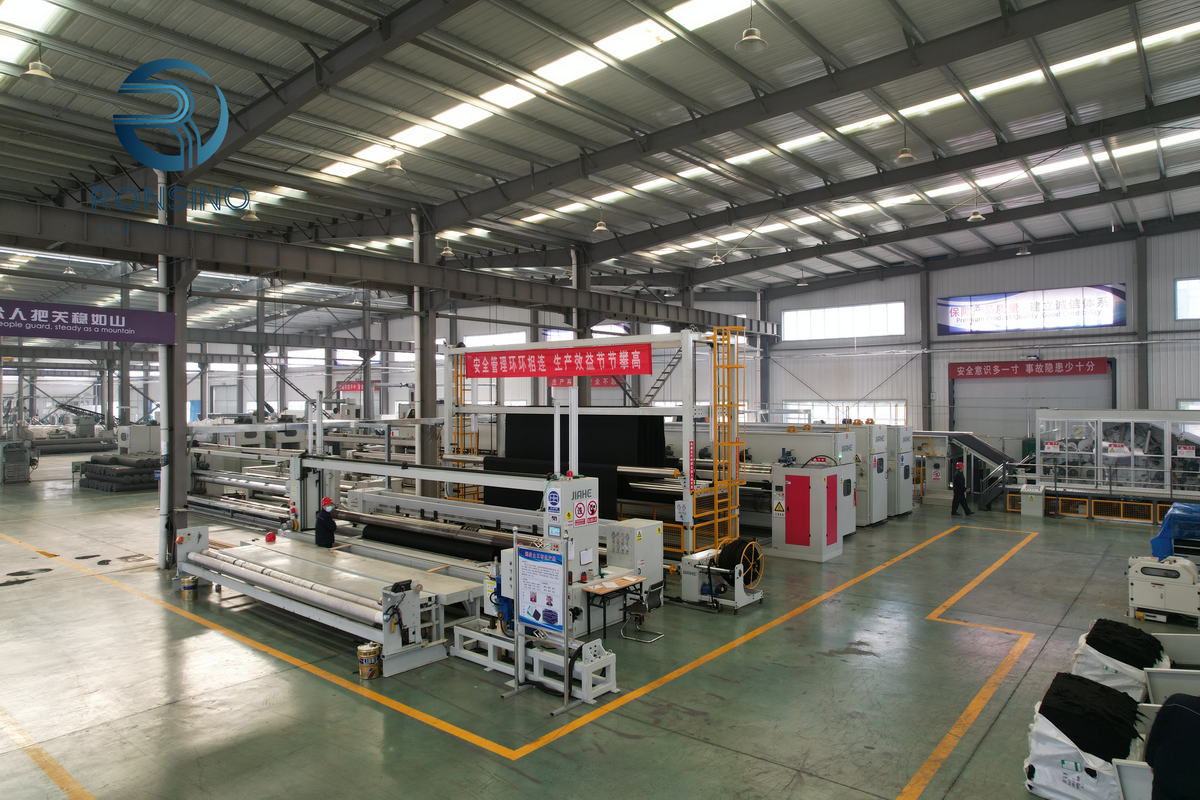
Geotechnical road fabric is a highly adaptable material that finds applications across multiple industries. It serves to improve the stability, drainage capacity, and durability of various projects. The functions it offers are as follows:
3.1 Geotech Road Fabric for Road Construction
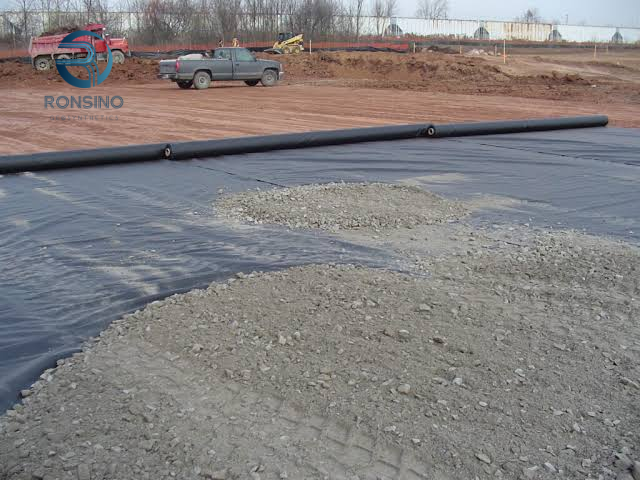
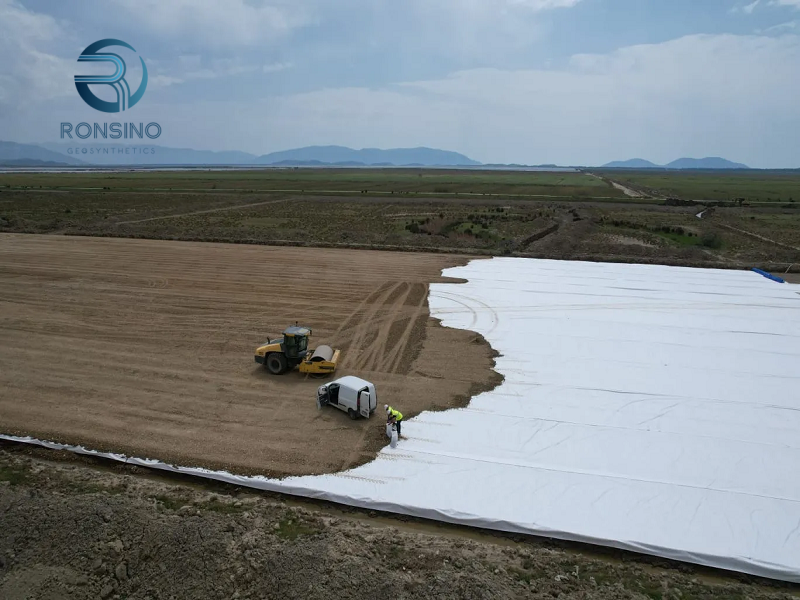
2.Under traffic loads, it distributes load evenly on frequently - used ground, reducing rut formation and surface deformation to maintain surface integrity.
3.It can extend road service life and cut long - term maintenance such as patching and resurfacing.
3.2 Geotech Road Fabric for Slope Stabilization
2.It provides a stable base for vegetation, and plant roots reinforce slopes through penetration.
3.Suitable for motorway embankments, it maintains structure, reduces erosion and instability, and supports wall backfills to prevent settlement.
3.3 Geotech Road Fabric for Erosion Control
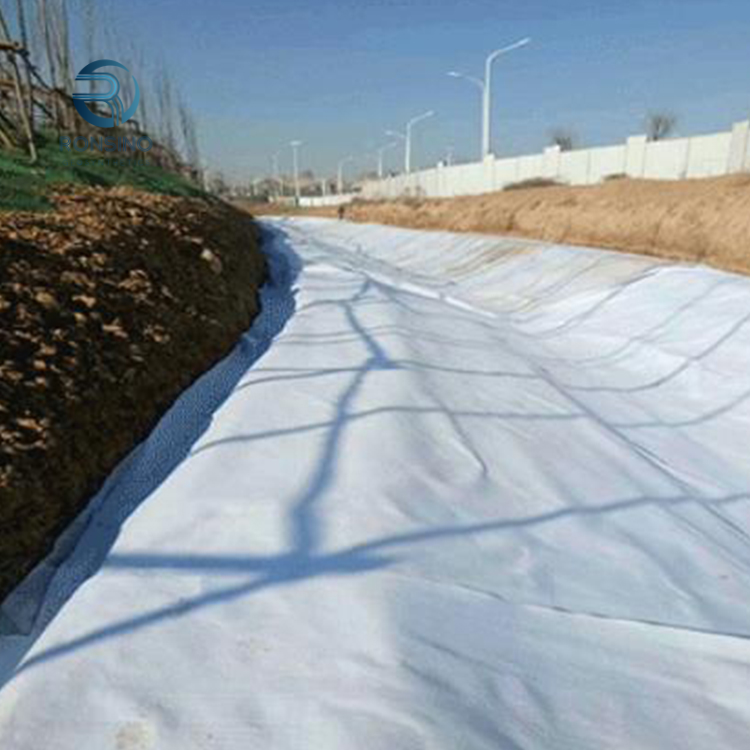
2.Non-woven geotextile filter fabric safeguards shorelines, river embankments and drainage ditches against water-driven erosion.
3.Permits water penetration while locking soil particles in position.
3.4 Geotech Road Fabric for Landscaping Projects
1.Acts as a top-tier weed barrier, minimizing chemical herbicide usage.
2.Lets water and nutrients reach plant roots while blocking unwanted vegetation growth.
3.Elevates garden aesthetics and reduces maintenance efforts.
3.5 Geotech Road Fabric for Landfill Liners and Waste Management
1.Placed beneath landfill liners to prevent groundwater contamination caused by leachate.
2.Acts as a protective buffer between geomembranes and soil, guarding against puncture-related damage.
3.6 Geotech Road Fabric for Agricultural Applications
1.Stabilizes farm roads, irrigation channels & embankments reliably.
2.Boosts water management: controls seepage + preserves soil structure.
3.7 Geotech Road Fabric for Civil Engineering Projects
1.Installed in tunnels to upgrade drainage and block water infiltration.
2.Supports bridge abutments and heavy load-bearing structures.
3.Stabilizes railway foundations and airport runways effectively.
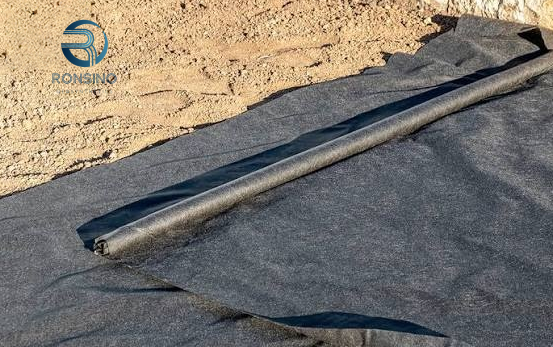
4. How to Choose the Right Geotech Road Fabric?
Choosing the appropriate geotech road fabric is essential to ensuring long-term road stability, performance and cost-effectiveness. The following factors should be taken into account:
4.1 Soil Type and Moisture Condition
1.Geotextile fabrics vary in performance across different soil environments.
2.Nonwoven geotextiles excel in sandy/loose soils for top-tier filtration and drainage.
3.Woven geotextiles work better in clay/cohesive soils that require high tensile strength.
4.Soil evaluation helps select the right fabric type for your project.
4.2 Load and Traffic Conditions
1.Roads handle varying traffic and load levels.
2.Pick a high-tensile, puncture-resistant material to stand up to heavy vehicles, repeated traffic and high axle loads.
3.This stops road deformation, tearing and early wear.
4.3 Drainage Requirements
1.Water management is vital in high-rainfall or poorly drained areas.
2.Pick permeable geotech road fabric to let water through and hold soil particles.
3.Good drainage cuts hydrostatic pressure, prevents subgrade saturation, and extends road life.
4.4 UV Resistance Necessary
1.Roads face long hours of direct sunlight regularly.
2.UV-resistant fabrics stay strong and intact longer in harsh outdoor settings.
3.This cuts down on material breakdown and replacement costs over time.
4.5 Project Require Chemical Resistance
1.Chemical exposure risks exist for road sites near industrial areas, landfills or contaminated soils.
2.Pick geotech road fabric made of materials that stand up to oils, acids and other harmful chemicals without losing performance.
4.6 Consulted an Expert
1.Geotechnical engineers or reputable suppliers can evaluate your project needs and suggest the right material type, thickness and installation method.
2.They can also ensure adherence to local engineering standards and regulations.
5. Summary
Versatile and long-lasting, geotech road fabrics are essential materials for construction and civil engineering projects. They not only stabilize soil and improve drainage but also deliver notable cost savings, with applications ranging from road construction and slope stabilization to erosion control and landscaping. To pick the ideal fabric for your road project, you need to evaluate soil type, load conditions, drainage requirements and UV resistance. Consulting industry experts guarantees the best choice—and with the right fabric, your road project will gain superior stability, durability and long-term performance.
6. About RONSINO Geosynthetics
RONSINO Geosynthetics personal contemporary manufacturing manufacturing facility is placed in Taian City, the well-known vacationer metropolis close to the limited-access highway from Beijing to Shanghai, Shandong Province, China. In latest years, we had invested extra than 20000000 greenbacks to enhance the fundamental manufacturing facilities, working conditions, worker revenue and welfare, technical and teamwork training, etc.
Our expert geommebrane manufacturing facility is outfitted with superior processing machines and manufacturing lines, which provide us the strength to hold excessive product quality, shorter transport time and aggressive value to meet the needs of our international customers. Most of our merchandise had been saved up with the global forefront counterparts, some of them have loved main position, mainly clean HPDE Landfill Geomembrane. We additionally can manufacture in accordance to your one-of-a-kind requirements, ODM, OEM, customization are additionally available.
RONSINO Geosynthetics are passionate about all matters geosynthetics, from new product development, stronger checking out methodologies, production, to after-sale servicing. The team has centered on the improvement and manufacturing of top notch Geomembrane, nonwoven 8 Oz Geotech Road Fabric , woven 8 Oz Geotech Road Fabrics, geonet and drainage geocomposites, geosynthetic clay liners (GCL) and geogrid. Today, RONSINO Geosynthetics is a group of over 120 specialists working to serve purchasers from all round the world.