The Definitive Handbook for Selecting Geotextile Membranes
Blog · 2026-04-23 · 0 views
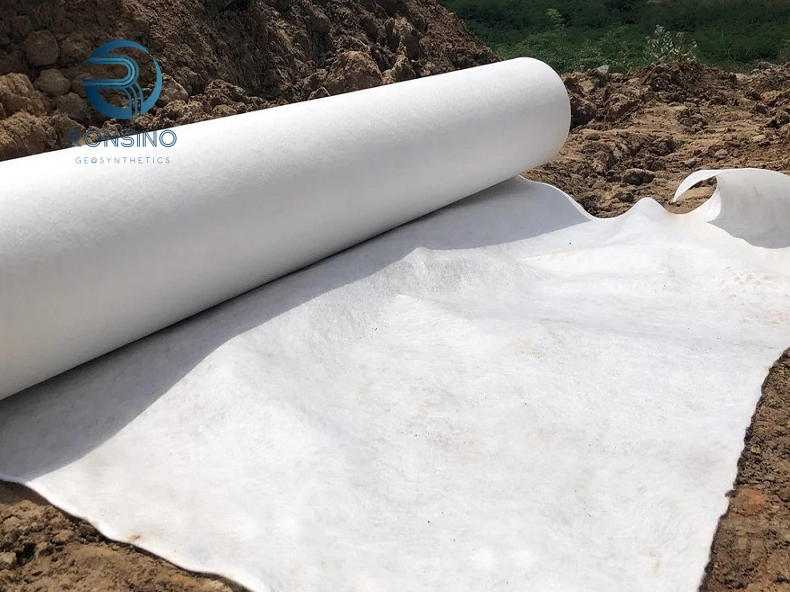
In landscape design, infrastructure and ecological projects, rational selection of materials is crucial. As a multifunctional material, geomembrane can effectively strengthen the foundation and prevent soil erosion. Whether it is a large municipal project or home gardening, the selection of geomembrane directly affects the success or failure of the project. There are many types of geomembranes on the market with different functions. Understanding their characteristics and accurately matching your needs is the key choice. This guide will analyze the core considerations when purchasing a geomembrane and help you make informed decisions for your project.
1.Introduction
Within contemporary civil, environmental, and geotechnical engineering disciplines, geosynthetic fabrics have become fundamental components. These engineered textile assemblies, whether derived from synthetic polymers or natural fibers, perform pivotal functions in soil stabilization, particulate filtration, hydraulic drainage, and material segregation—simultaneously elevating the resilience, security, and economic efficiency of construction ventures.
2.Understanding Geo Fabric Membrane
Before diving into selection, it’s essential to grasp the basics of geo fabric membranes—their definition, classifications, and core properties.
2.1 Geo Fabric Membrane – Definition and Core Functions
A geo fabric membrane is a permeable or impermeable textile engineered for use in contact with soil, rock, or water. Unlike traditional fabrics, its design prioritizes mechanical strength, chemical resistance, and environmental stability over aesthetics. Its primary functions include:
Filtration: Preventing fine soil particles from migrating into drainage systems while allowing water to pass.
Drainage: Facilitating the flow of excess water away from soil to reduce hydrostatic pressure.
Separation: Isolating dissimilar materials (e.g., gravel and clay) to maintain their structural integrity.
Reinforcement: Enhancing soil load-bearing capacity by distributing stress (critical for roads and embankments).
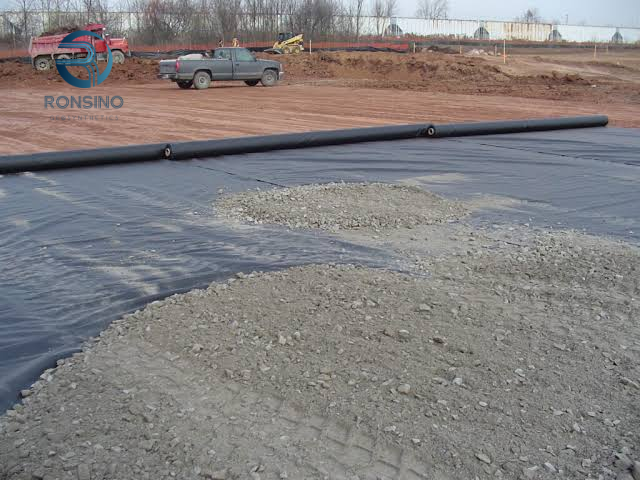
Protection: Shielding delicate materials (e.g., geomembranes in landfills) from punctures or abrasion.
Geo fabrics are categorized based on manufacturing process, material composition, and functionality—each category suited to specific applications:
2.2.1 By Manufacturing Process
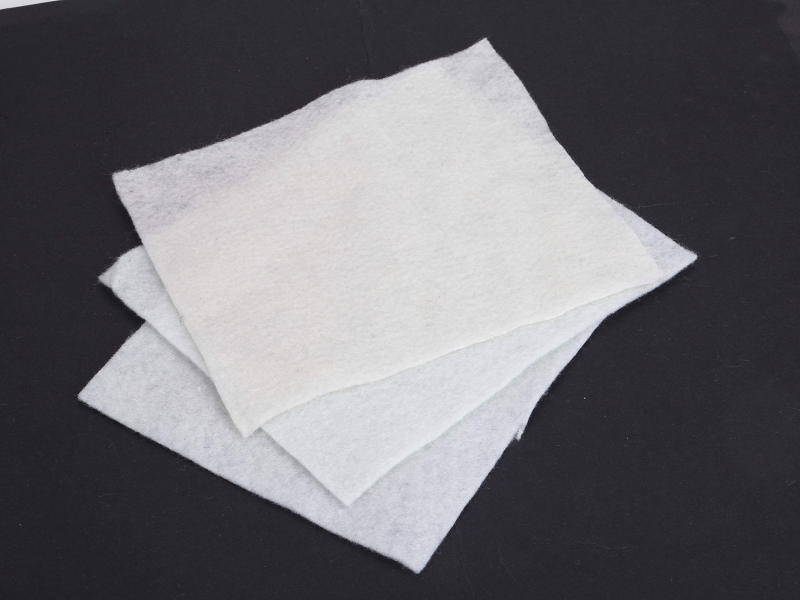
Non-Woven Geotextiles: Crafted through the fusion of fibers employing thermal treatment, chemical adhesives, or mechanical compression to form an irregular, interconnected network. These materials demonstrate exceptional permeability, making them highly effective for fluid filtration and water management applications. They are extensively utilized in the stabilization of road subbases, prevention of soil erosion, and various ecological landscaping initiatives.
Woven Geo Fabrics: Produced by interlacing warp (lengthwise) and weft (crosswise) yarns. They offer superior tensile strength and dimensional stability, making them ideal for reinforcement (e.g., retaining walls, steep slopes) and separation (e.g., gravel-road bases).
Knitted Geo Fabrics: Created by looping yarns into a flexible structure. They combine elasticity with moderate strength, suitable for temporary applications like construction site erosion control or wrapping tree roots.
2.2.2 By Material Composition
Polypropylene (PP): The most widely used material. It is lightweight, resistant to acids, alkalis, and biological degradation, and performs well in temperatures ranging from -20°C to 120°C. Ideal for most civil engineering projects (roads, drainage).
Polyester (PET): Offers higher tensile strength and heat resistance (up to 150°C) than PP. It is less prone to creep (long-term deformation under stress) but more expensive. Used in high-load applications (e.g., bridge abutments, heavy-duty landfills).
Nylon (Polyamide): Boasts exceptional elasticity and impact resistance but is susceptible to moisture absorption and chemical degradation. Rarely used for permanent projects; limited to temporary applications (e.g., emergency erosion control).
Natural Fibers (Jute, Coconut): Biodegradable and eco-friendly, but short-lived (3–5 years) and less durable. Suitable for low-impact, temporary projects (e.g., agricultural soil conservation, revegetation).
2.3 Key Properties of High-Quality Geo Fabrics
The effectiveness of a geo fabric depends on its measurable properties. When evaluating products, focus on these critical metrics:
Tensile Strength: The maximum force the fabric can withstand before breaking (tested per ASTM D4595). Higher values are critical for reinforcement applications.
Elongation at Break: The percentage of stretch before failure. Low elongation (5–15% for woven fabrics) ensures stability in reinforcement; higher elongation (20–50% for non-woven) aids in filtration.
Permeability: The rate at which water flows through the fabric (measured in cm/s). For drainage, choose high permeability (10⁻³ to 10⁻¹ cm/s); for filtration, balance permeability with particle retention.
Puncture resistance: This property reflects the material's ability to resist puncture from sharp objects, such as gravel. Tested in accordance with ASTM D6241 standards, this performance is critical for landfill and road base projects.
UV resistance: refers to the material's ability to maintain structural stability without aging under sunlight. For outdoor projects with long-term exposure to direct sunlight, reinforced fabrics with added UV stabilizers such as carbon black should be used.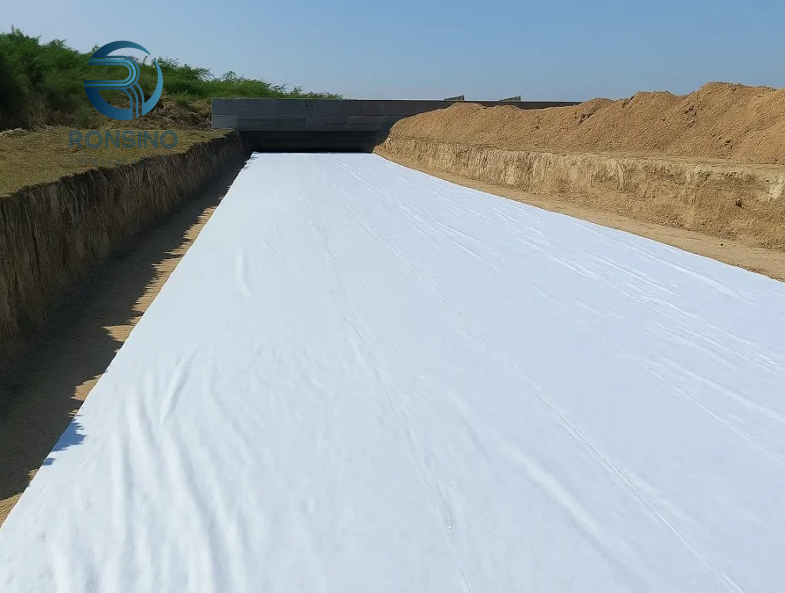
3. Key Factors To Consider When Choosing Geo Fabric Membrane
Selecting the right geo fabric requires aligning its properties with your project’s unique requirements. Below are the most critical factors to evaluate:
3.1 Geo Fabric Membrane – Analyzing Project Requirements
Start by defining your project’s primary goal—this dictates the geo fabric’s core function:
If the goal is filtration (e.g., retaining soil in a French drain): Prioritize non-woven fabrics with controlled permeability and particle retention (tested via ASTM D4751, which measures the fabric’s ability to retain soil particles).
If the goal is reinforcement (e.g., stabilizing a road base): Choose woven or high-strength non-woven fabrics with high tensile strength and low creep.
If the goal is separation (e.g., isolating clay from gravel): Opt for woven fabrics with low permeability to prevent material mixing while allowing minimal water flow.
If the goal is temporary erosion control (e.g., construction sites): Use lightweight non-woven or knitted fabrics—biodegradable options (jute) are ideal for eco-sensitive areas.
Also, consider project scale and lifespan: Temporary projects (6–12 months) can use lower-cost, less durable fabrics; permanent projects (20+ years) require UV-stabilized, chemical-resistant materials (e.g., PET or PP).
3.2 Geo Fabric Membrane – Selecting the Right Material
As outlined in Section 2.2.2, material choice depends on environmental conditions and performance needs:
Acidic/Alkaline Soils/Water: Choose PP (resistant to pH 2–12) over PET (susceptible to strong acids).
High-Temperature Environments (e.g., industrial sites): Select PET (heat-resistant up to 150°C) or PP with heat stabilizers.
Moist or Wet Conditions: Avoid nylon (absorbs moisture) and natural fibers (biodegrade); opt for PP or PET.
Eco-Sensitive Areas (e.g., wetlands): Use biodegradable jute/coconut fabrics or recycled PP/PET (meets LEED standards).
3.3 Geo Fabric Membrane – Evaluating Performance Indicators
Never rely solely on manufacturer claims—verify performance with standardized tests:
Tensile Strength: Ensure values meet project specifications (e.g., road reinforcement requires ≥10 kN/m; steep slopes need ≥20 kN/m).
Permeability: Match the fabric’s permeability to soil type: Sandy soils need high permeability (10⁻² cm/s) to drain quickly; clay soils need lower permeability (10⁻⁴ cm/s) to prevent clogging.
UV Resistance: For outdoor projects, confirm the fabric has a UV stabilization rating (e.g., 5000 hours of accelerated weathering per ASTM G154 without significant strength loss).
Creep Resistance: For long-term reinforcement, test creep (ASTM D6236)—PET fabrics have creep rates <1% per year, while PP may creep 3–5% per year under heavy loads.
3.4 Geo Fabric Membrane – Assessing Environmental Compatibility
Geo fabrics must withstand the project’s environmental stressors:
Temperature Fluctuations: In cold climates, ensure the fabric remains flexible at sub-zero temperatures (PP performs better than PET here, as PET becomes brittle below -10°C).
Chemical Exposure: In landfills or industrial sites, check chemical resistance (e.g., resistance to hydrocarbons, heavy metals). PP resists most organic chemicals; PET is better for inorganic acids.
Biological Activity: In soils with high microbial activity (e.g., agricultural fields), choose non-biodegradable PP/PET—natural fibers will degrade too quickly.
3.5 Geo Fabric Membrane – Balancing Cost and Value
While cost is a factor, avoid prioritizing low prices over quality. A cheap, inadequate geo fabric can lead to costly failures (e.g., road settlement, landfill leaks) that far exceed initial savings. Instead:
Calculate Total Cost of Ownership (TCO): Include material cost, installation cost, and maintenance costs over the project’s lifespan. For example, a slightly more expensive PET fabric may reduce maintenance costs by 30% over 20 years.
Compare Suppliers: Look for suppliers with third-party certifications (e.g., ISO 9001 for quality management) and a track record of supplying to similar projects. Avoid uncertified products—they often fail to meet performance claims.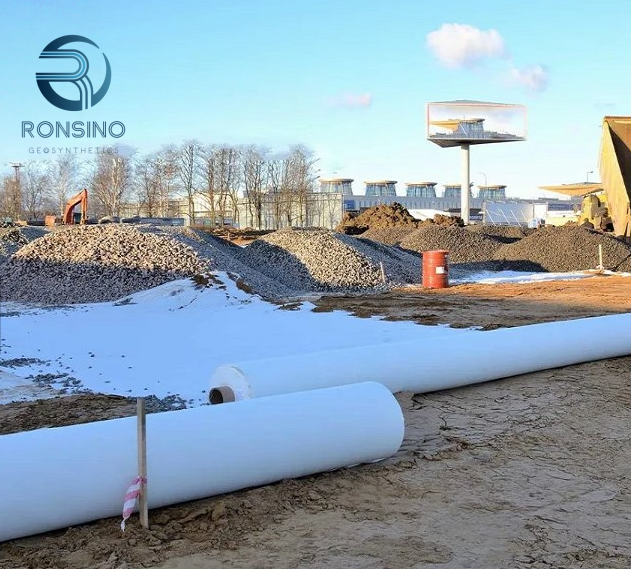
4. Application-Specific Selection Guidelines
Different projects have unique demands—below are tailored recommendations for common applications:
4.1 Geo Fabric Membrane – Road and Highway Construction
Roads require geo fabrics to separate subgrade (clay) from base (gravel), reinforce the base, and drain excess water.
Function: Separation + reinforcement + drainage.
Type: Woven PP or PET fabrics (high tensile strength, low permeability).
Specifications: Tensile strength ≥15 kN/m, CBR puncture resistance ≥3 kN, permeability ≥10⁻³ cm/s.
Example: Woven PP fabric (100 g/m²) for rural roads; woven PET fabric (150 g/m²) for highways with heavy traffic.
4.2 Hydraulic and Marine Engineering
Projects like dams, canals, and coastal erosion control demand fabrics resistant to water, salt, and mechanical stress.
Function: Filtration + drainage + protection.
Type: Non-woven PP (resistant to saltwater) or woven PET (high strength).
Specifications: Permeability ≥10⁻² cm/s, UV resistance ≥5000 hours, chemical resistance to salt (NaCl).
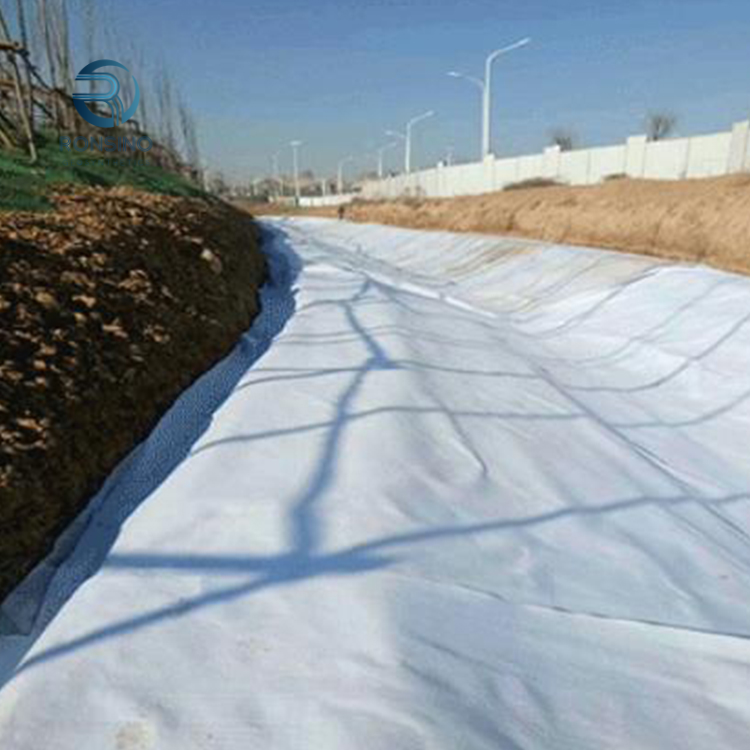
Example: Non-woven PP fabric (200 g/m²) for canal liners; woven PET fabric for coastal revetments.
4.3 Waste Containment and Landfills
Landfills require fabrics to filter leachate (contaminated water) and protect geomembranes from punctures.
Function: Filtration + protection + chemical resistance.
Type: High-strength non-woven PET (resistant to leachate chemicals) or composite fabrics (PET + HDPE).
Specifications: Tensile strength ≥25 kN/m, CBR puncture resistance ≥5 kN, resistance to heavy metals (Pb, Cd) and hydrocarbons.
Example: Composite PET/HDPE fabric for municipal solid waste landfills.
5.Common Mistakes To Avoid In Geo Fabric Selection
Even experienced professionals make errors in selection—here are the most frequent pitfalls and how to avoid them:
5.1 Overlooking Project-Specific Needs
Mistake: Choosing a “one-size-fits-all” fabric (e.g., using a non-woven fabric for road reinforcement).
Solution: Clearly define the fabric’s primary function (filtration vs. reinforcement) and test its properties against project requirements. For example, reinforcement needs woven fabrics—non-woven fabrics lack the tensile strength to prevent soil movement.
5.2 Prioritizing Price Over Quality
Mistake: Opting for the cheapest fabric to cut costs.
Solution: Calculate TCO and verify certifications. A 0.50/m² uncertified fabric may fail in 5 years, while a 1.00/m² certified fabric lasts 20 years—saving money long-term.
5.3 Ignoring Installation Compatibility
Mistake: Selecting a fabric that is difficult to install (e.g., a stiff woven fabric for uneven terrain).
Solution: Consider installation conditions: For sloped or uneven sites, choose flexible non-woven or knitted fabrics; for flat sites, stiffer woven fabrics are easier to lay.
6. Conclusion
Choosing the right geosynthetics is crucial and directly affects the safety, durability and economy of the project. The project objectives (such as filtration, reinforcement or erosion control) should be clearly defined, key properties (such as tensile strength and hydraulic conductivity) should be assessed, and materials should be ensured to be compatible with the surrounding environment to avoid common mistakes and choose options that will deliver lasting benefits. The best geotextile is not the most expensive or commonly used, but rather the material that best suits the specific needs of the project. By following the above principles, materials can be chosen wisely to ensure the long-term effectiveness of a civil or ecological project. For further assistance please contact RONSINO Geotextiles.