Polypropylene Geotextile Magerial for Road Construction in Saudi Arabia
case · 2025-10-16 · 0 views
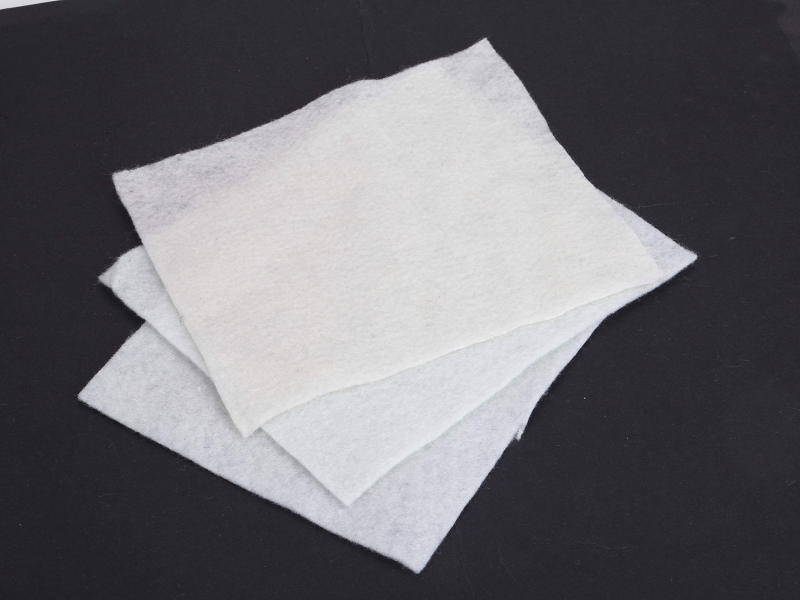
Polypropylene geotextile is made from polypropylene via spinning and needle punching, and shows excellent heat and light resistance.
Non - woven polypropylene cloth, a thermoplastic polymer (PP) with a non - woven appearance and structure, is highly adaptable.
It's mainly used in making non - woven bags, which are popular alternatives to single - use plastic bags due to their durability, lightness and environmental friendliness.Polypropylene long - fiber nonwoven geotextile has remarkable heat and light resistance when exposed. For example, a short - term exposure at nearly 20℃ hardly affects its performance. Experiments and applications confirm its long - term corrosion resistance to natural soils, moisture and microorganisms.
1.What Are Benifits of Polypropylene Geotextile Magerial?
Non - woven polypropylene offers many advantages in various industries:
Environment - friendly: It's recyclable, biodegradable, and emits no toxic pollutants when burned.
Eco - manufacturing: Its production doesn't use PVC coating or water, reducing its environmental impact.
Durability: Non - woven polypropylene bags are sturdier than traditional plastic ones, suitable for multiple uses and reducing waste.
Customizable printing: Screen or heat transfer full - color printing can create customized designs for brand promotion.
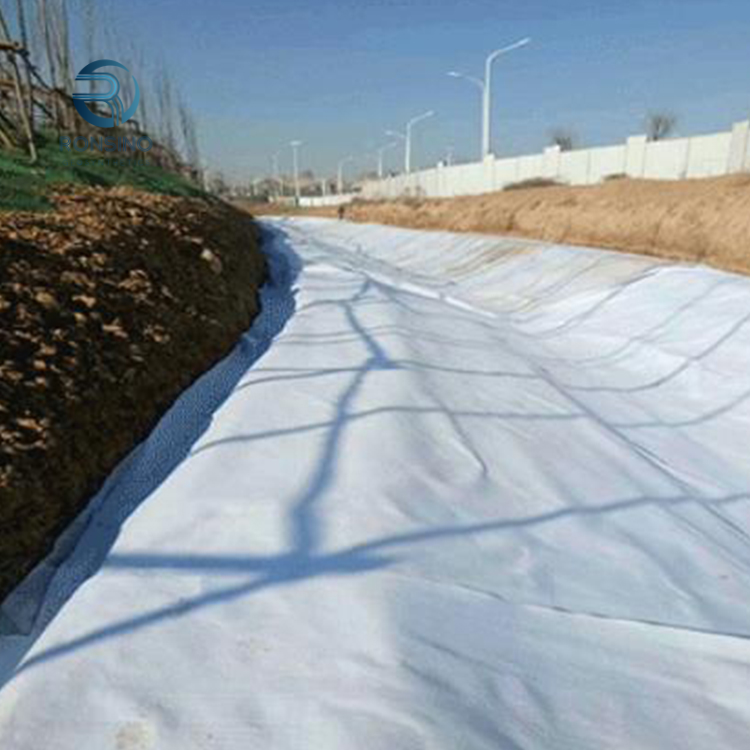
Strength and reinforcement: It reinforces retaining walls, roads, and slopes, preventing water runoff and soil erosion.
Filtration and drainage: It serves as an efficient filtration layer in drainage systems.
For Polypropylene Geotextile Material rolls:
Before installation, protect them from damage. Stack on a flat, dry area, with stack height no more than four rolls. Cover with non - transparent materials to prevent UV aging and keep labels intact.
During transportation, protect from damage.
Repair damaged rolls promptly. Don't use severely worn - out or chemically - contaminated geotextiles.
2.What Is Polypropylene Geotextile Magerial?
Non - woven polypropylene textile is an artificial textile which is manufactured by using polypropylene polymers. It differs from conventional woven textiles such as cotton or wool since it's made through methods like mechanical adhesion (bonding), thermal adhesion (bonding), or chemical adhesion (bonding), instead of the weaving process.
The production of non - woven PP includes melting and extruding polypropylene polymers with the assistance of heat and air. This process generates long, soft and fluffy filaments that look similar to cotton candy. Subsequently, these filaments are compressed between heated rollers, thus creating a pliable yet firm textile with a texture that brings to mind that of a woven canvas material for reference purposes.
Non - woven PP textile presents several benefits in practice. It is light in weight while being highly durable at the same time; moreover, it has good moisture - resistance. These properties make it an ideal choice for a variety of applications. Commonly, this textile can be found used in the making of bags; medical face masks; single - use clothing items; geotextiles and other products that demand strength, flexibility and cost - efficiency.
Non - woven polypropylene textile serves as a highly adaptable substitute for traditional woven textiles due to its unique features. It has a wide range of applications across different sectors, all thanks to its long - lasting quality, lightness in weight along with its ability to resist moisture effectively.
3.Polypropylene Geotextile Magerial Saudi Arabia Application for Road Construction
A Saudi Arabian client won a road construction project and needed high - strength geotextile. They shared the technical specs of the non - woven polypropylene fabric they required. We found our 200g polyester filament geotextile met their needs exactly, and promptly provided pricing and technical index info. Their technical staff verified our geotextile conformed to their specs.
To ensure product quality, the customer asked for a sample, which we sent the same day. After receiving it, they tested the sample comprehensively, and the results met all standards. After discussions, the customer ordered two 40 - foot high - cube (40HQ) containers of geotextiles, showing their satisfaction.
This success demonstrates our ability to meet road construction project demands with top - notch non - woven polypropylene fabric. We're committed to providing reliable road - building solutions and look forward to serving customers with excellent products and services.
Specification of Polyester Geotextile Magerial for Road Construction in Saudi Arabia
Specification of Non-Woven Polypropylene Fabric for Road Construction in Saudi Arabia:
Total Non-woven Polypropylene Filament Geotextile: 106080 square meters
Weight: 200g
Roll Size: 6meters wide by 130 meters long
These requirements indicate that for the Saudi Arabian road - building project, 106,080 square meters of non - woven polypropylene fabric, weighing 200 grams per square meter, is needed. This weight provides the required strength and durability.
Each roll is 6 meters wide and 130 meters long, facilitating transportation and on - site installation.
These requirements reflect the quantity, weight, and dimensions of the fabric for the project, ensuring its suitability for road use.
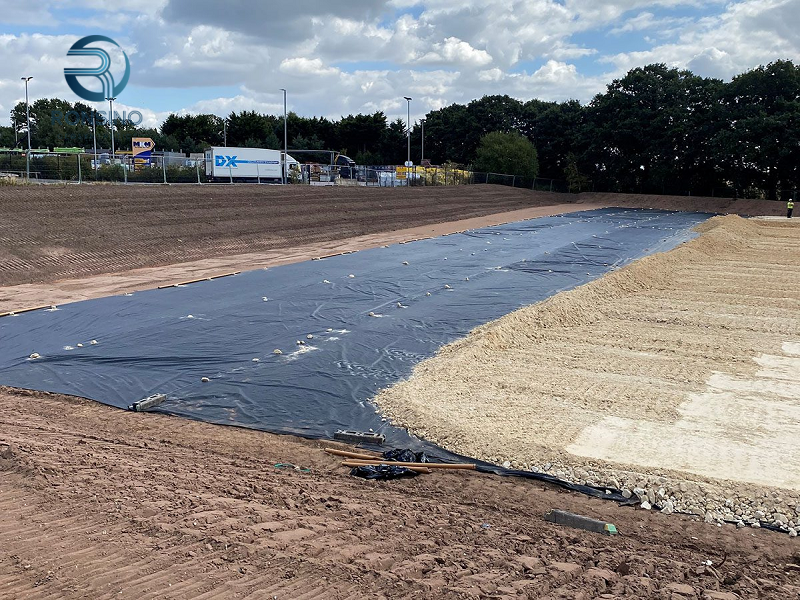
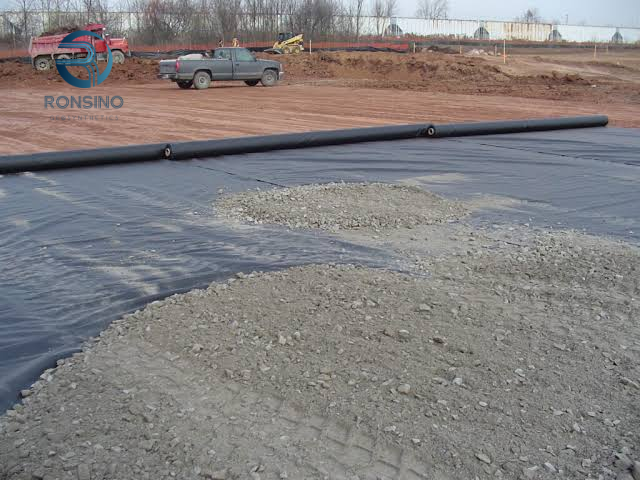
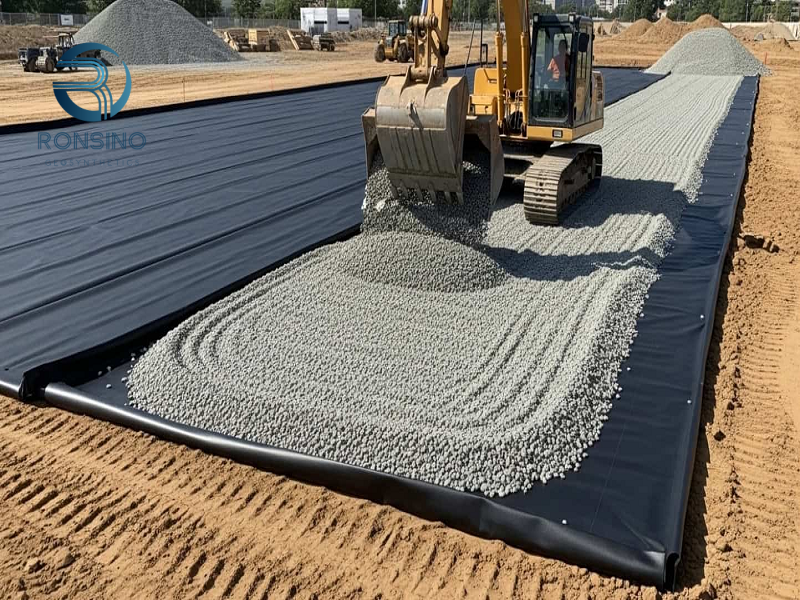
4.Laying Method of Non Woven Geotextile Fabric
The laying method of non-woven geotextile fabric involves several techniques for proper installation. Here are the recommended methods:
4.1 Manual Roll and Pave
The fabric should be rolled out and laid manually. It is crucial to ensure a flat and even surface, allowing for appropriate deformation allowance.
4.2 Overlapping, Sewing, and Welding
Regarding both long - strand and short - strand geotextiles, a variety of approaches can be utilized. Overlaying, stitching, and fusing are frequently adopted methods. Usually, the width of the stitching or fusing process is greater than 0.1 meters, and the overlapping width ought to be more than 0.2 meters. In cases where geotextiles are anticipated to be left exposed for a long time span, fusing or stitching becomes an essential requirement.
4.3 Stitching of Geotextile
Stitches must be continuous; intermittent point - stitching is forbidden. Geotextiles should overlap by at least 150mm. Sewing needles should be at least 25mm from the exposed fabric edge.
The thread - locking chain joint is the most common way to join sewn geotextiles. Stitching thread should be resin - made, with a minimum tensile strength over 60N, and have chemical and UV - resistant properties equal to or better than the geotextile.
“Skipped stitches” on sewn geotextiles must be re - stitched.
After installation, prevent soil, particulates, or foreign objects from entering the geotextile layer.
When choosing natural lapping, seaming or welding for geotextile overlap, consider terrain and application.
Following these laying procedures allows non - woven geotextile to be effectively installed and meet performance requirements in various applications.
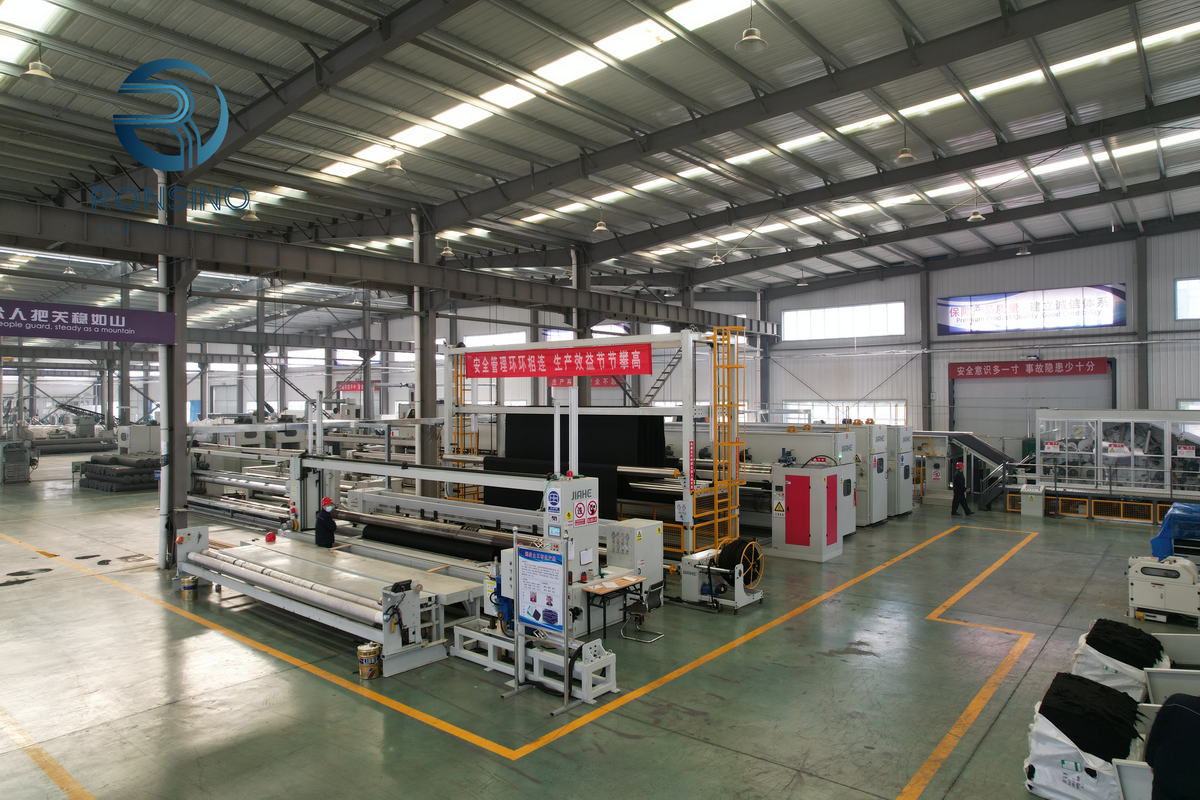
5.About RONSINO
RONSINO has been specializing in delivering one stop geosynthetics products and solutions to worldwide customers since its foundation in 2007. RONSINO had provided many types of effective and state of the art geomembranes, geotextiles, geocells, geosynthetic clay liners (GCLs), drainage boards, geogrids to over 81 countries. ia,
RONSINO is not only manufacturing best quality geosynthetic products but also providing professional design and installation service. OEM, ODM, custom development and fabrication are also available. If you have any questions or inquiries, please contact us, we will reply as soon as possible.