NT2000 Polypropylene Geotetxile for Landfill Project in Chile
case · 2025-11-14 · 0 views
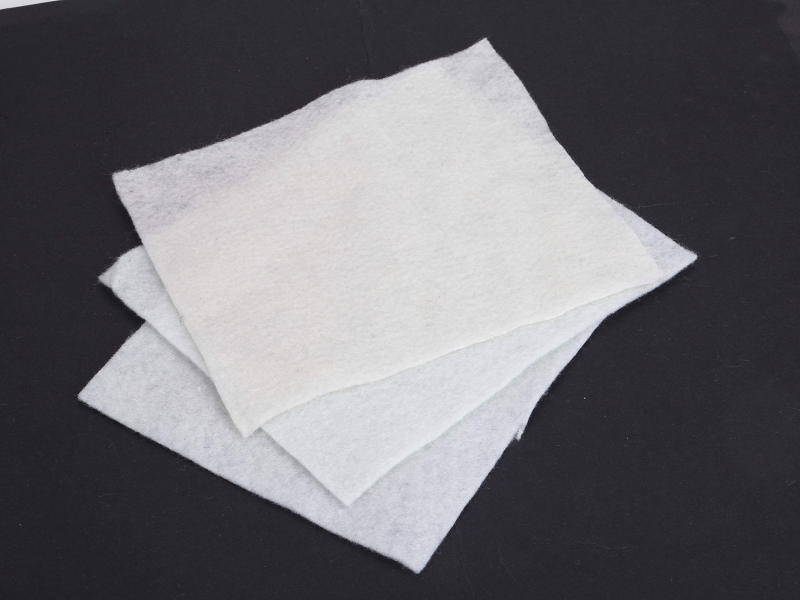
NT2000 Polypropylene Geotetxile is produced by mechanically bonding or interlocking fibers, instead of adopting weaving or knitting techniques. For PP staple fiber needle-punched geotextiles specifically, short polypropylene fibers are randomly spread and then intertwined or bonded via heat, pressure, or chemical methods. This production process results in a durable, porous fabric that possesses specific properties ideal for geotechnical engineering applications.In addition to its global product supply.
PP staple fiber non-woven geotextiles are defined as a category of geotextile materials made from polypropylene (PP) staple fibers. This kind of geotextile is highly suitable for a variety of civil engineering and environmental applications, with its main uses focusing on soil stabilization, filtration, drainage, and separation.
PP staple fiber non-woven geotextiles are extensively deployed in landfill engineering projects, where they perform a diverse array of functions and elevate the overall operational efficiency of the landfill system.
Function of NT2000 Polypropylene Geotetxile in Landfill Projects:
NT2000 Polypropylene Geotetxile are extensively applied in landfill engineering, where they deliver multiple functions and enhance the overall performance of the landfill system. Their specific roles in landfill projects are as follows:
1. Separation: Geotextiles can isolate different soil layers or geosynthetic materials within a landfill project. They prevent clay and other fine particles from mixing with coarser materials (such as drainage layers or geomembranes), thereby maintaining the integrity and functional stability of each individual layer.
2. Drainage: As a drainage layer in landfill projects, PP staple fiber non-woven geotextiles provide an effective channel for the smooth flow of leachate (the liquid produced by waste decomposition) within the landfill system. Their porous structure enables water to pass through while retaining solid particles, ensuring efficient leachate management.
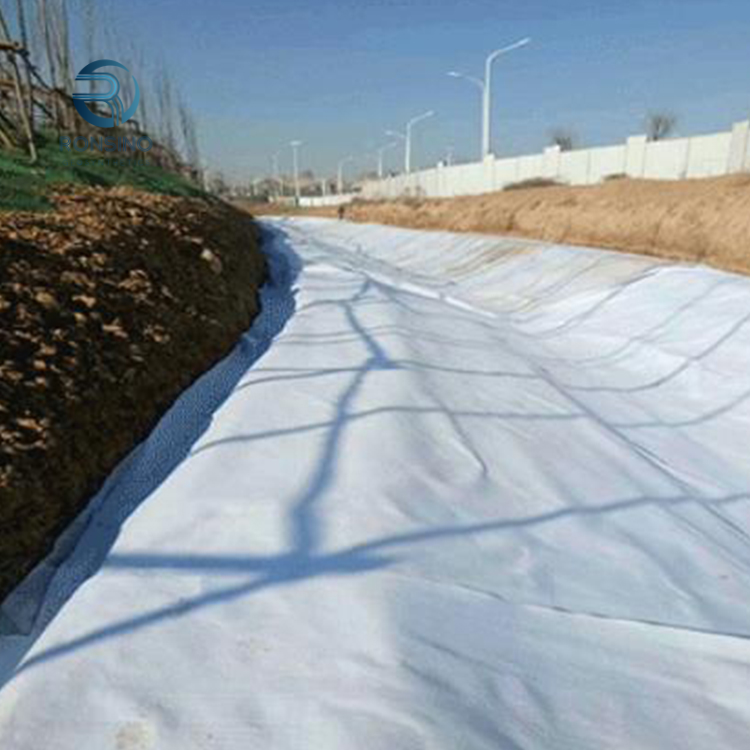
3. Erosion Control: Geotextiles are instrumental in slope stabilization and erosion prevention for landfills. When installed on exposed landfill slopes, they prevent soil erosion caused by rainfall or surface runoff. The geotextile’s surface enhances stability, reduces water flow velocity, and promotes vegetation growth, thereby minimizing erosion and safeguarding the landfill’s structural integrity.
4. Filtration: Serving as a filtration layer in landfill systems, geotextiles allow water to pass through while inhibiting the migration of fine particles between layers. This filtration function maintains the hydraulic performance of the landfill by preventing clogging and ensuring unobstructed drainage.
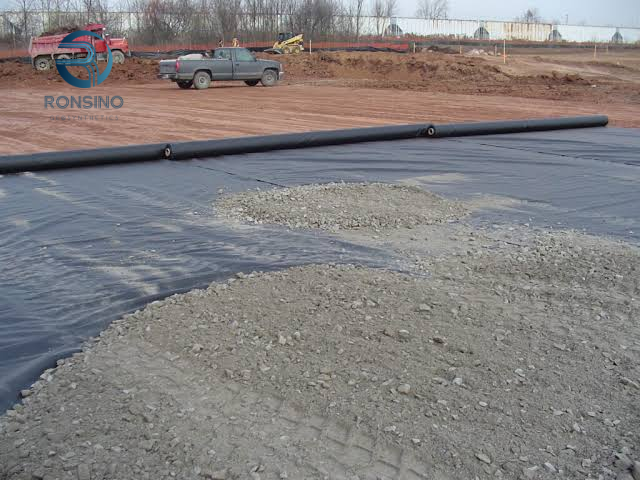
5. Protection: Geotextiles can protect geomembranes—impermeable liners designed to prevent leachate from contaminating the surrounding environment. PP staple fiber non-woven geotextiles are placed between geomembranes and soil to provide cushioning, protecting geomembranes from punctures or damage during landfill construction and operation.
PP geotextiles play a pivotal role in landfill engineering by enhancing separation, filtration, drainage, erosion control, and protection capabilities. These products contribute to improving the performance, stability, and environmental sustainability of landfill systems.
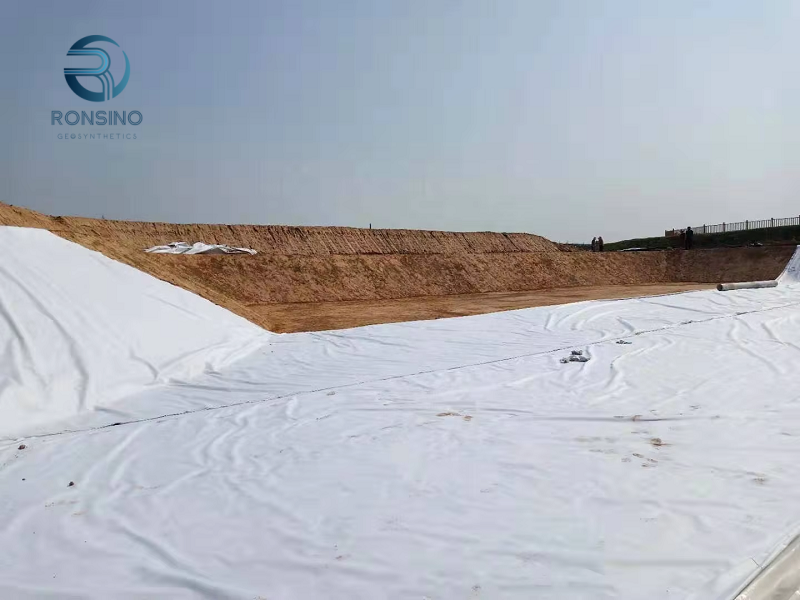
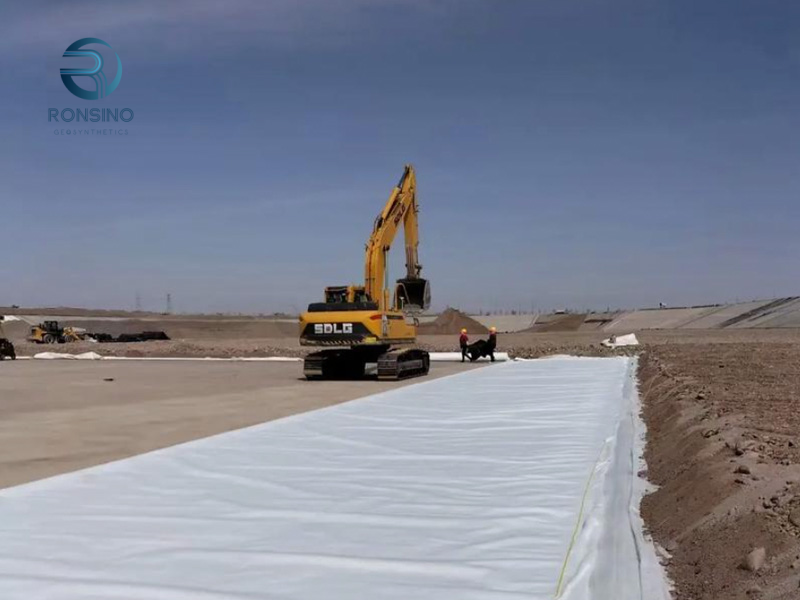
Our customer in Chile successfully won the bid for a landfill project, which required 400g PP staple fiber geotextiles. As a government-initiated project, it imposed strict requirements on various material indicators.
We have maintained a cooperative relationship with this customer for 5 years. Throughout this period, the customer has been satisfied with the quality and delivery time of our geosynthetic products, leading them to decide to entrust this project to us.
After the customer provided the relevant project information, we decided to adopt high-strength PP staple fiber geotextiles to meet the project’s requirements. We submitted the geotextile’s technical indicators, test reports, as well as our previous project cases and other relevant materials for the customer’s reference.
Following discussions with his engineering team, the customer confirmed the feasibility of this type of geotextile. Meanwhile, we sent some samples to the customer for on-site verification. After receiving the samples, the customer conducted tests, and the results fully met the project standards.
Ultimately, the customer formally placed the order with us, with a total quantity of 300,000 square meters of geotextiles.
Specifications of NT2000 Polypropylene Geotetxiles for Landfill Project in Chile
PP non woven geo fabric materials weight-400gsm
Roll size: 4m*100m
Quantity: 300000sqm
How to Install Geo Fabric Materials?
1. Surface Cleaning and Preparation. Prior to the installation of geotextile, it is essential to clean the target surface thoroughly, ensuring it is smooth and free from large-sized debris.
2. Measurement and Cutting. Based on the required dimensions, measure the geotextile and cut it using suitable tools like scissors or utility knives. It is crucial to ensure that the cut geotextile can fully cover the intended area with an appropriate overlap margin.
3. Geotextile Installation. Unfold the geotextile over the pre-determined area, making sure that its edges are aligned with the edges of the ground. A proper overlap is required to guarantee the continuity of the geotextile. For larger areas, heavy tools or mechanical equipment may be employed to facilitate the laying process.
4. Securing the Geotextile. Fasten the geotextile to the ground using fixing devices such as ground nails, staples, or weights. The spacing between these fixing devices should be adjusted according to the specific conditions and the thickness of the geotextile, so as to ensure the geotextile is firmly attached to the ground.
5. Overlapping and Connection. When multiple pieces of geotextile need to be connected to each other, special connection methods (such as stitching, hot melting, or adhesion) can be adopted to maintain the continuity and integrity of the joint.
6. Covering and Protection. After the geotextile is successfully installed, it can be covered with other materials (e.g., soil or gravel) to provide extra protection and enhance overall stability.
About RONSINO
RONSINO manufactures and wholesales many types of effective and states of the art geotextile, geomembrane, and other geosynthetics to over 36 countries. RONSINO geosynthetic products are widely used across a variety of industries including waste containment, water containment, aquaculture, industrial project, energy project and mining projects, etc. RONSINO main customers are from Australia, France, Sweden, UK, Hungary, New Zealand, Poland, Mexico, Ecuador, Brazil, Pakistan, Bangladesh, Chile, Vietnam, Malaysia, Indonesia, Singapore, Philippines, Sri Lanka, India, UAE, Saudi Arabia, Qatar, Kenya, etc.
RONSINO is not only manufacturing best quality geosynthetic products but also providing professional design and installation service. OEM, ODM, custom development and fabrication are also available. If you have any questions or inquiries, please fill and submit the following form, we will reply as soon as possible.