Nonwoven Geotech Fabric for Railway Construction in Tanzania
case · 2025-12-10 · 0 views
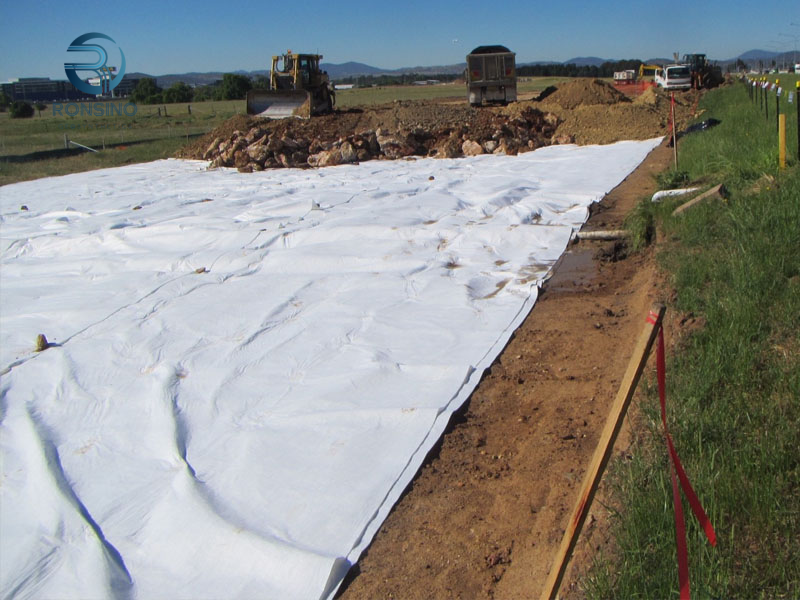
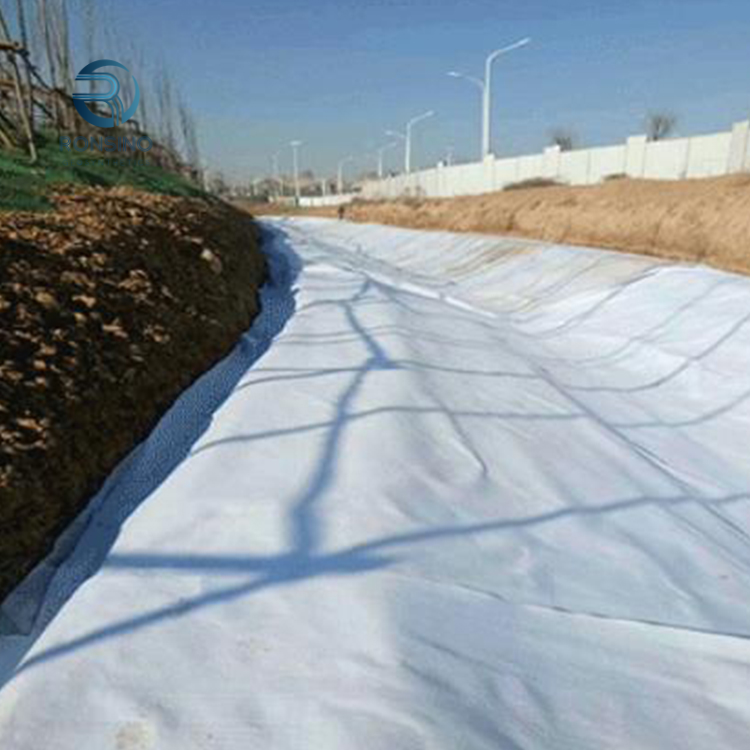
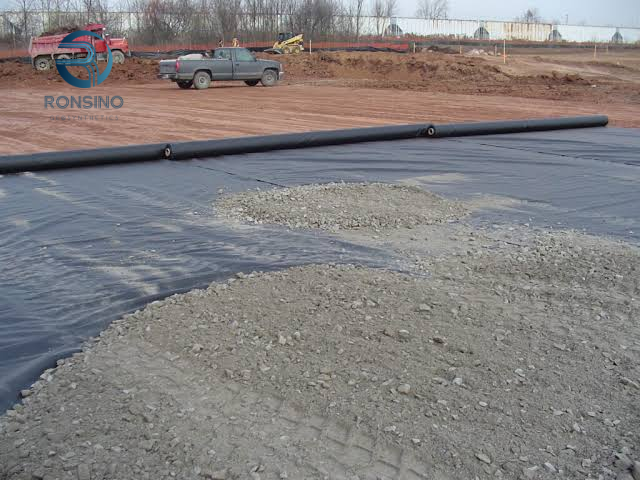
In Tanzania, non - woven geotextiles are widely used in railway and highway projects. With distinct physical and mechanical properties like high tensile strength, good permeability and excellent aging resistance, they're popular in engineering. In construction, they enhance project quality by distributing loads, preventing soil erosion and improving long - term stability, allowing projects to withstand time and environmental factors.
The railway construction project is mainly in coastal low - lying flat areas with soft - clay top - layer soil. To improve the foundation's load - bearing capacity and stability, geotextiles are needed, which can enhance safety and extend service life.After a competitive bidding, RONSINO won the bid to supply high - quality geotextiles for the large - scale rail project. In the initial phase, they'll deliver about 2,500,000 m² of Polyethylene Terephthalate (PET) based Geosynthetic Textiles.
Specifications of Nonwoven Geotech Fabric for Railway Construction
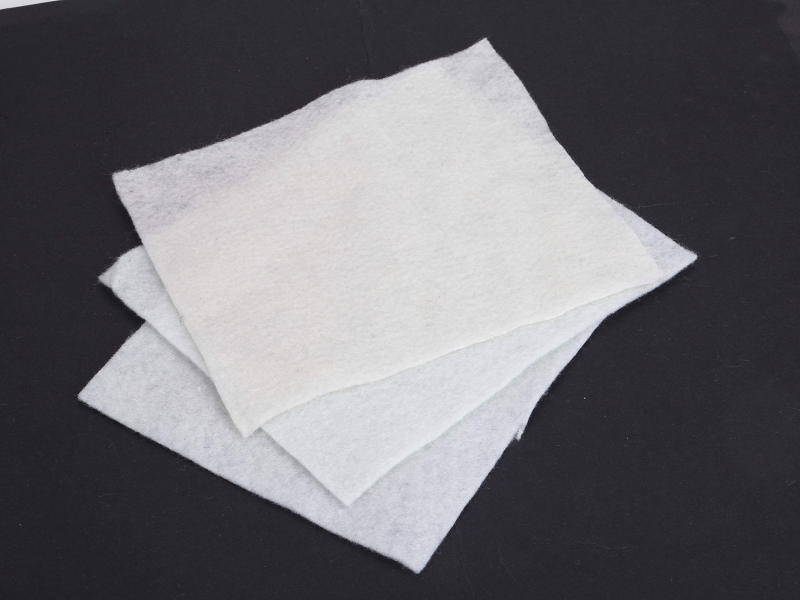
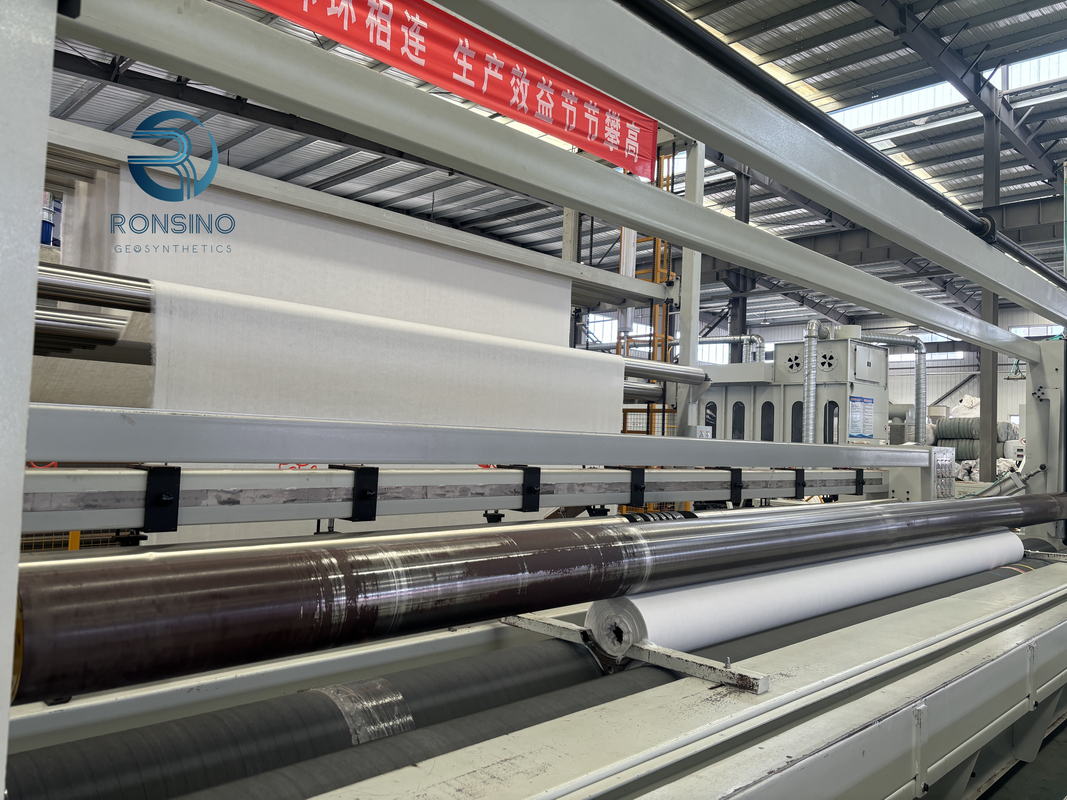
Product–White Filament Nonwoven Geotextile
Weight/ square meters–200g
Size–4m*100m each Roll
The Role of Filmanet Geotextiles in the Railway Project in Tanzania
Increase the stability of railway engineering.
The tensile strength and anti - leakage ability of geotextiles play a vital role in enhancing the stability of railway engineering. By leveraging these characteristics, it is possible to effectively decrease the settlement and deformation of the railway subgrade. This reduction helps to mitigate the influence of loads on the entire railway infrastructure system. As a result, the reliability of the railway line is notably enhanced, guaranteeing its stable and safe operation.
Extending the Service Life of Railway Engineering.
The utilization of geotextile has the potential to prolong the operational lifespan of railway projects while lessening the demand for upkeep and restoration. This represents a significant financial advantage for railway management bodies, considering that maintenance and repair typically incur substantial costs.
Reduce maintenance costs.
Geotextiles can enhance railway engineering project stability and longevity, reducing overall maintenance costs. Lowering maintenance frequency and complexity saves time and resources.
Improving railway safety.
A reliable railway foundation and track surface play a vital role in ensuring the safety of train operations. The use of geotextile serves to avoid the formation of potholes, the occurrence of cracks, and lateral soil erosion on the railway, thereby enhancing the safety of railway transportation.
Permeability.
In Tanzania, geotextiles are generally made up of polymers or fibers, and there are spaces existing among these materials. These spaces enable water to flow through the geotextile, which is beneficial for drainage. The permeability property of white geotextile fabric is regulated by its pore structure, the size of the pores, and the arrangement of the fibers.
Prevent soil particles from passing through.
Even though geotextiles are permeable to some extent, they can effectively stop soil particles. This is because the fiber or polymer mesh in the geotextile can intercept and impede soil particles, preserving the geotextile's overall integrity.
Layered filtration.
Geosynthetic textiles are used with filtering substances of various particle sizes for better filtering. Water enters the filter through the textile while soil particles are blocked. This helps maintain a clear boundary between the textile and soil, improving drainage and filtration.
Permeability control.
The permeability of geotextiles can be adjusted according to specific engineering needs to fit different soil types and conditions. Usually, engineers choose appropriate geotextile types and specifications to ensure required drainage and filtration.
Strengthening Mechanism of Non-woven Geotextile in Railway Roadbed Construction
1.Improve the bearing capacity and stability of the foundation
Beneath the embankment, the friction between Nonwoven Geotech Fabric and foundation soil transfers soil tensile stress to the reinforcement, which bears the tensile force. The soil between bars undergoes pressure and shear stress.This setup enables the reinforcement and soil to utilize their capabilities, creating a cohesive, inter - locked effect that compacts soil particles.It enhances the system's integrity and continuity, restricts lateral movement and deformation of soil. Ultimately, it improves the foundation soil's bearing capacity and stability, making the foundation more reliable for construction and load - bearing.
2.Improve the integrity of the roadbed
Typically, filament non - woven geotextile and sand cushion are used together as a layer with different stiffness from the embankment and soft - soil foundation. This layer spreads and fine - tunes the embankment load, transferring it to both sides of the reinforced sand cushion, reducing center stress and increasing side stress, thus decreasing center settlement and increasing side settlement.Filament non - woven geotextile acts as a drainage surface during soft - soil consolidation and a flexible raft - like foundation for the embankment, ensuring more even foundation deformation.
3.Reduce settlement
On one hand, due to the tensile - stress of the white geotextile fabric, the reinforced cushion layer has higher stiffness, which can disperse the embankment load from the center to both sides. This reduces the additional stress on the soil under the non - woven geotextile interface, thus lessening the soil's vertical compression deformation.
On the other hand, pre - tension and differential settlement cause the geotextile's tensile deformation. The resulting tensile stress must be balanced by the interface shear stress for equilibrium. Under this shear stress, the roadbed's settlement region experiences upward lifting deformation, which offsets part of the roadbed settlement.
The Main Principles of the Drainage and Filtration Mechanism of Geotextile
Permeability: Geotextiles typically consist of polymers or fibrous substances, and there are spaces present among these materials. These interstices enable water to flow through the geotextile so as to achieve drainage purposes. The permeability property of white - colored geotextile fabric is regulated by multiple factors including its pore architecture, the size of the pores, and the arrangement pattern of the fibers within it.
Prevent soil particle passage. Despite having a certain permeability, geotextiles can effectively block soil particle penetration. The fiber or polymer mesh in geotextiles intercepts and impedes soil particles, protecting its integrity.
Multi - layered Filtration. Geotextiles are typically combined with filtration materials having various particle sizes to attain more effective filtration outcomes. Water penetrates the filter material via the geotextile, while soil particles are blocked from passing through. This action is beneficial for keeping a distinct boundary between the geotextile and the soil, and it also enhances the efficiency of drainage and filtration.
Permeability regulation. The permeability of geotextiles can be modified in accordance with particular engineering requirements so as to be suitable for diverse soil types and engineering circumstances. Generally, engineers select appropriate kinds and specifications of geotextiles to guarantee the necessary drainage and filtration capabilities.