Non Woven Polyethylene Fabric for Mining Project in England
case · 2025-12-06 · 0 views
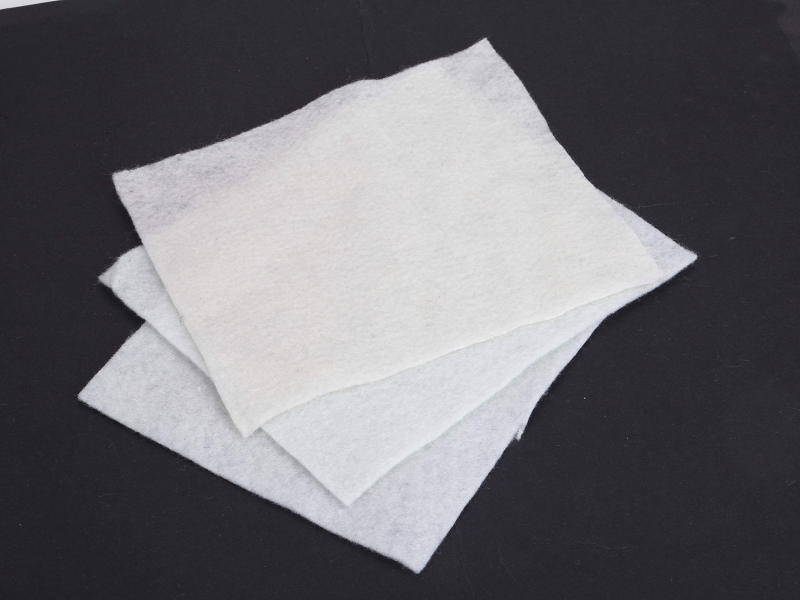
Non Woven Polyethylene Fabric, especially referring to short fiber non woven needle punched geotextile, is the most cost - effective and widely used geotextile, ensuring optimal performance and long - lasting design life of soil or granular layers in civil, coastal and environmental engineering.Needle - punched geotextiles, looking like felt, are flexible with a fibrous structure and unique pores, suitable for filtration, drainage, separation and protection.Staple - fiber needle - punched geotextiles are typically made of short polypropylene or polyester fibers. Polypropylene has good chemical stability and cost - to - weight ratio, while polyester offers chemical resistance, high creep and tensile strength, ideal for demanding engineering.
Functions of Non Woven Polyethylene Fabric for Mining Project in England
1.Isolation
Employ the needling method with polyester staple fibers to segregate building materials (e.g., soil particles, earth masses, soil - concrete combination). This process breaks down their physical characteristics (e.g., dimensions, distribution ranges, saturation levels, densities). It's crucial to prevent loss or inter - mixing of materials. This preserves the raw materials' original form and performance and enhances structural stability and efficiency.
2.Filtration (inverted filtration)
Polyester staple fiber needled geotextile has excellent permeability, allowing liquids to pass through smoothly. It effectively guides substances like soil particles, sand dust and small stones, ensuring the stability of regular engineering projects.
3.Drainage
Needled geotextile made from polyester staple fibers boasts remarkable water - conducting properties. This type of geotextile is capable of forming a water passageway within the soil particles. By doing so, it effectively expels the excess water and oxygen present in the soil.
4.Reinforcement
The application of geotextiles enhances the tenacity and shock - absorbing capacity of soil. It also boosts the steadiness of building structures, while simultaneously elevating the quality level of soil.
5.Protection
When water surges into the soil, it is capable of efficiently dispersing, interacting with, or decomposing the concentrated stress. This action helps to withstand the impact - induced damage to the soil and safeguard the land.
6.Anti penetration
Composite impermeable materials, made by fusing geomembranes, resist puncturing. With high tensile strength, they perform well long - term. They have good permeability for drainage, are resistant to high - temperature, freezing, aging, and corrosion, and have a wormproof design, thus extending their service life.Polyester staple fiber needled geotextiles are widely used for reinforcing railway subgrades, highway pavements, in gymnasium construction, and protecting dams from environmental damage.
Issue
In the domain of mining undertakings, the tailings produced typically contain poisonous elements, radioactive substances, or heavy - metal ions. These substances can bring about serious pollution to underground water supplies. Consequently, it is crucial to implement efficient anti - seepage treatment methods.
Solution
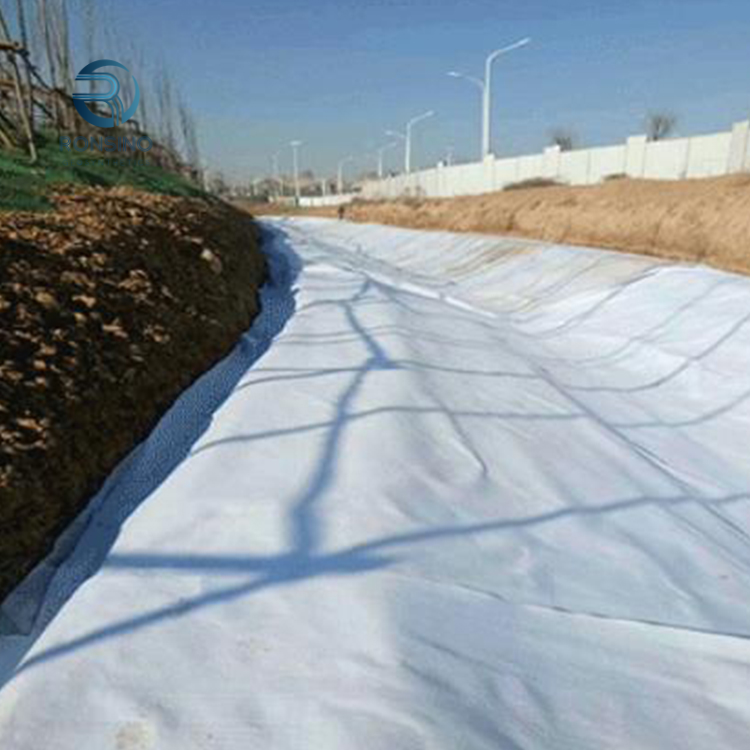
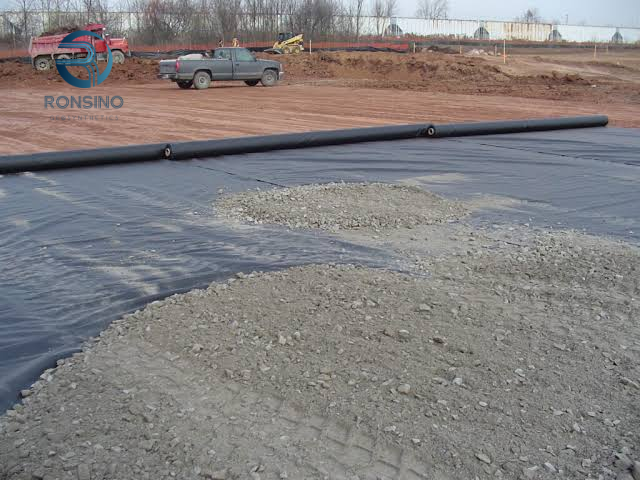
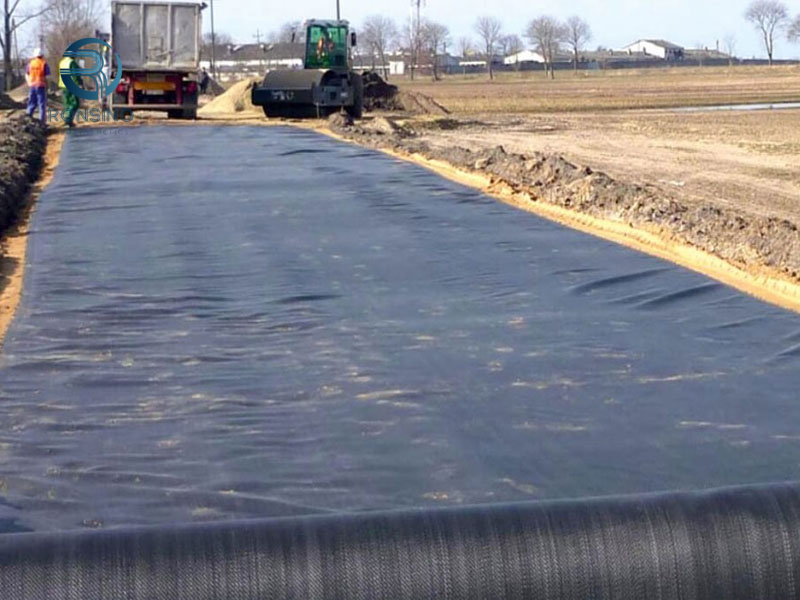
The needle - punched staple fiber geotextile, made of 100% new polypropylene fibers, is robust, durable, permeable and deformation - resistant. RONSINO's non - woven geotextile, with high tensile strength, proper elongation, UV stability, good filtration and strong abrasion resistance, enhances ground support and stabilizes soil.Widely used in civil engineering, it filters to avoid drainage clogging in road construction and separates soil layers, protects structures and drains water in foundation works.In an English mining project requiring 280,800 square meters of PP short - fiber non - woven geotextile, RONSINO was chosen as the supplier due to its geotextile's high tear and tensile strength and strong acid - and alkali - resistance, suitable for harsh mining environments.
Case Study of Non Woven Polyethylene Fabric for mining project
Total PP Short fiber Nonwoven Geotextile quantity – 280800m2
PP Short fiber Nonwoven Geotextile specification – 300 g/m2
Each roll size is 4*100m
Six 40HQ containers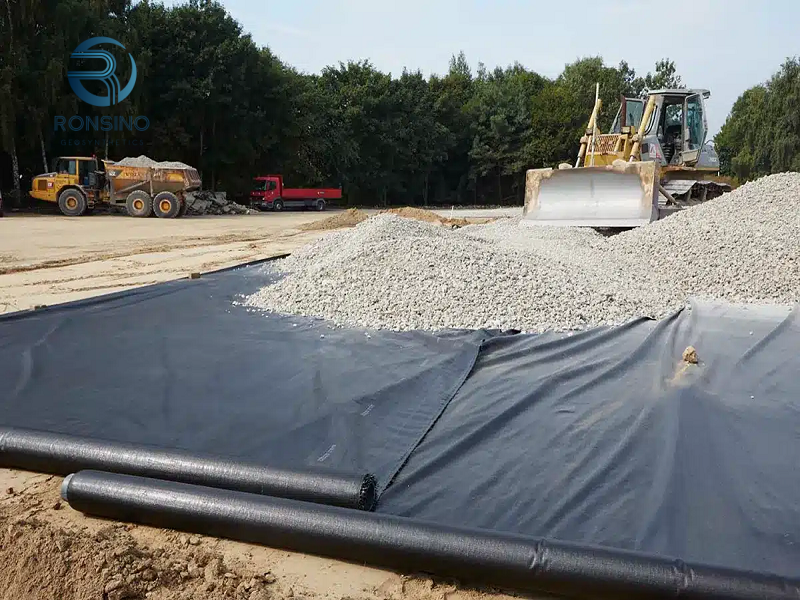
Geotextile Construction Precautions
During transportation, avoid dragging the geotextile to prevent sharp - object damage.
Before construction, thoroughly clean the substrate area, wash with water if possible to remove impurities, and repair base cracks with asphalt.
For paving, straighten and lay the geotextile flat. If there's oily residue on the bottom, spread it evenly with a roller - brush and sprinkle stones or coarse sand.
Pave only when the woven fabric is dry. Prohibit smoking during laying. After laying, avoid walking, moving tools or placing heavy objects on it.
At overlapping locations, ensure proper overlap and weld joints. Pay special attention to slopes and corners, adjust and reduce splicing length to prevent wrinkles.
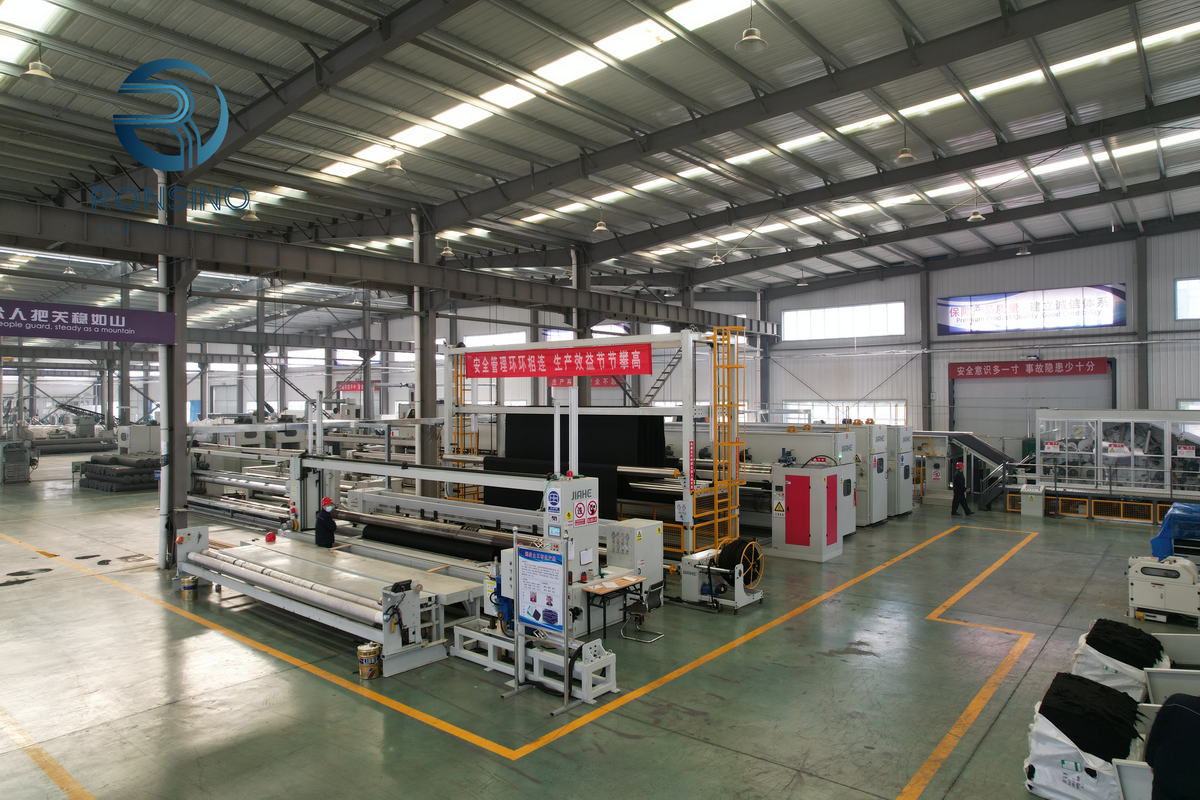
Construction Method
It should extend from the bottom to a high - placed location, and it must not be pulled too tightly. There ought to be half of its remaining width reserved for local settlement and expansion. Considering the actual situation of this project, the slope is paved from the top down;
The longitudinal joints of two adjacent frames should not be on the same horizontal level but should be offset by more than 1 meter;
The longitudinal joint needs to keep a distance of more than 1 or 50 meters from the dam toe and bends, and it should be set on a flat area;
Firstly, carry out paving work on the slope, then handle the bottom of the site. What are the characteristics and functions of geotextiles used in the construction?
When laying on slopes, The direction of unrolling (spreading)the film shall generally parallel that of the slope line.
About RONSINO
RONSINO produces and wholesales geotextiles, geomembranes and other geosynthetics to over 36 countries. Its products are used for waste isolation, water resource management and soil erosion prevention in waste and water management, aquaculture, etc.Major global customers from Australia (large - scale infrastructure), France (advanced engineering), Sweden (sustainable development), the UK (long construction history), Hungary, New Zealand, Poland, etc. have geosynthetic - related needs from industrial growth to environmental protection.
RONSINO is not only manufacturing best quality geosynthetic products but also providing professional design and installation service. OEM, ODM, custom development and fabrication are also available. If you have any questions or inquiries, please fill and submit the following form, we will reply as soon as possible.