Non Woven Geotextile Drainage Mat for Road Construction in Surinam
case · 2025-11-25 · 0 views
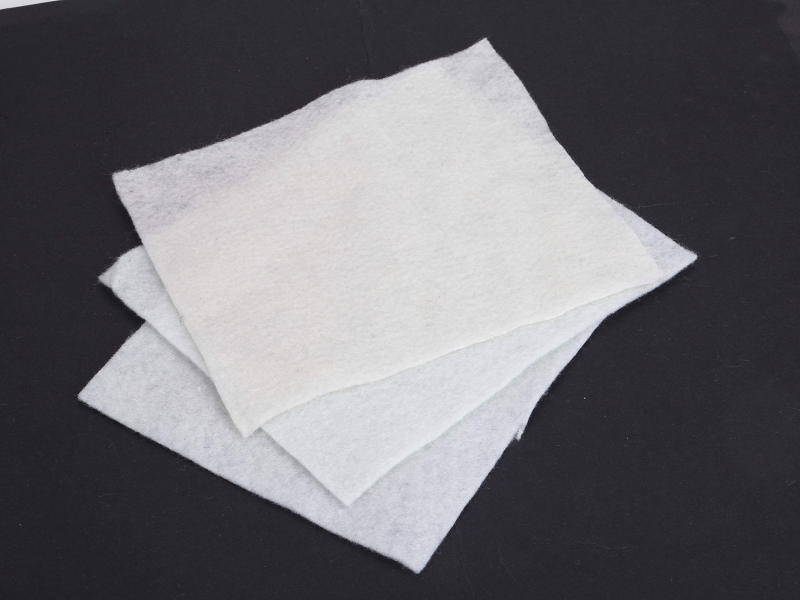
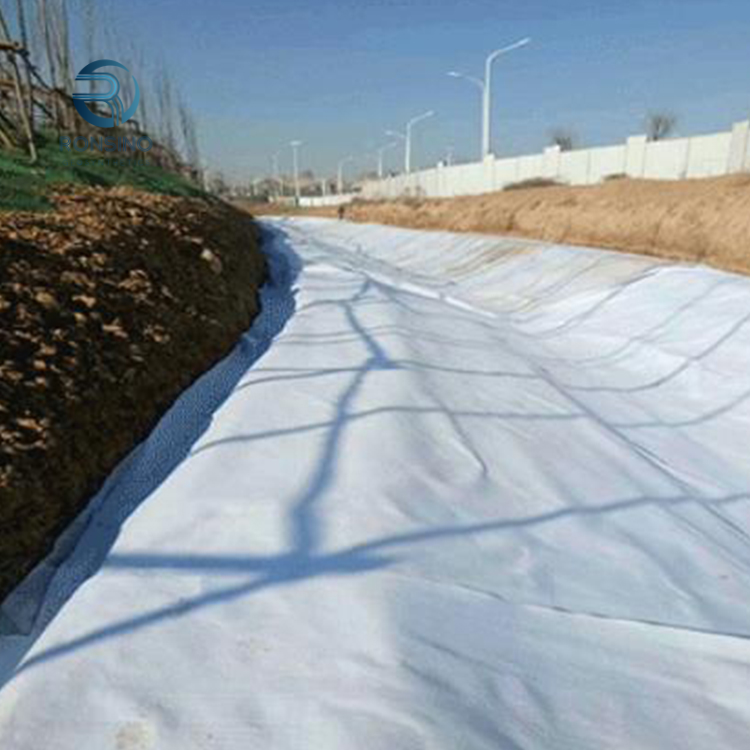
Advantages of Non Woven Geotextile Drainage Mat in roadbed reinforcement: Light - weighted, with excellent overall continuity, high tensile strength, remarkable corrosion and microbial erosion resistance, and convenient for construction. They have small pore size, good permeability, and soft texture, integrating well with the soil.
Case Study
Location: Surinam
Product: 200gsm Geotextile fabric
Application: Tailings
Benefit
The advantages of geotextiles in subgrade reinforcement projects: They are light, easy to handle, and have excellent overall continuity. With high tensile strength, they ensure long - term roadbed stability. They're corrosion - and microbial - erosion resistant, extending their service life. Construction is convenient, saving time and labor. They have a small pore diameter for effective filtering and good permeability, and their soft texture bonds well with soil without damaging its structure.
Geotextiles are used in subgrade reinforcement laying as follows:
(1) Lay according to the embankment bottom - width parts for full coverage.
(2) Leave adequate anchorage lengths on both embankment sides to prevent shifting.
(3) For lap - joint connection, the lap - joint length should be 0.3 - 0.9m; for seaming, the bonding width ≥ 50mm.
(4) Repair on - site damage immediately. Stagger upper and lower layer joints by ≥ 0.5m to distribute stress.
(5) Avoid long - term sunlight exposure to prevent degradation and aging.
The Suriname customer, working on a road - building project, searched online for our geosynthetic materials to improve road reinforcement durability and lifespan. They got our email from the official website. Knowing we're a pro producer of high - quality geotextile and geomembrane products, the customer sent an inquiry to the company's inquiry email. Currently, they're unsure about the products' construction techniques and laying procedures.
Construction method
1. Subgrade renovation
Before placing geotech fabric under the gravel, renovate the subgrade. First, check if the roadbed compactness meets the standard; if not, re - roll it. Once the compactness is up to standard, smooth the subgrade surface. Start from the center line and create a 4% drainage slope on both sides. The surface should be even, and a reverse slope to the center is prohibited to prevent water accumulation. If over - excavation occurs during cutting, backfill the area with similar soil and compact it for stability.
2. Ditch shoulder protection
During roadbed repairs, side ditch mortar laying and dry - laying for shoulder protection can be done. For subgrade side ditch mortar masonry, use M10 - grade rubble according to relevant stone masonry specs.Build side ditches as per design width and height. Install ø100 or 100×100 drain holes with filter screens every 1 m on the subgrade surface to prevent erosion.In some embankment parts, follow the stone masonry code. The top width should be 50 cm with a uniform outer slope and vertical inner sides.After shoulder guard construction, plaster their tops with at least 5 - cm - thick M1 - grade cement mortar and maintain the surface. Avoid stepping or placing heavy objects until full strength to prevent damage.
3. Cushion laying
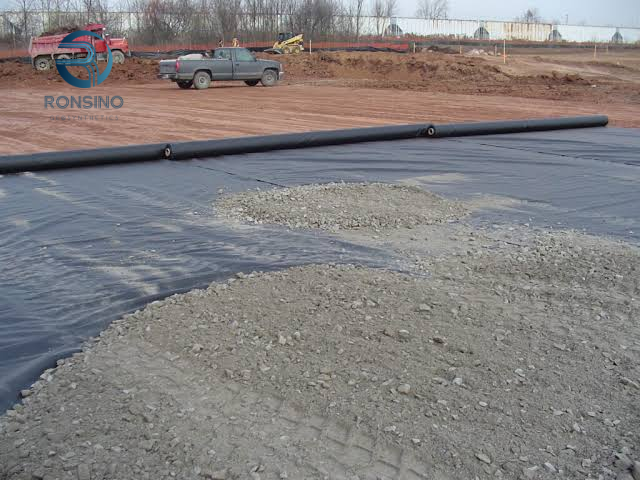
The cushion uses medium - sized and coarse - grained sand. After rolling, the geotextile under the gravel layer should be 10 cm thick with a post - compaction relative density over 75%.Use 10 - 15 - ton self - propelled vibrating rollers to roll the cushion, usually two rounds suffice; otherwise, additional compaction is needed.The cushion's top surface should have a 4% drainage slope on both sides for drainage.During laying, if over 5% of materials have a diameter > 2 mm, sieve them. Manually remove or sift out large - diameter materials.After rolling, ensure the cushion surface is smooth to prevent geotextile puncture.
4. Geotextile laying.
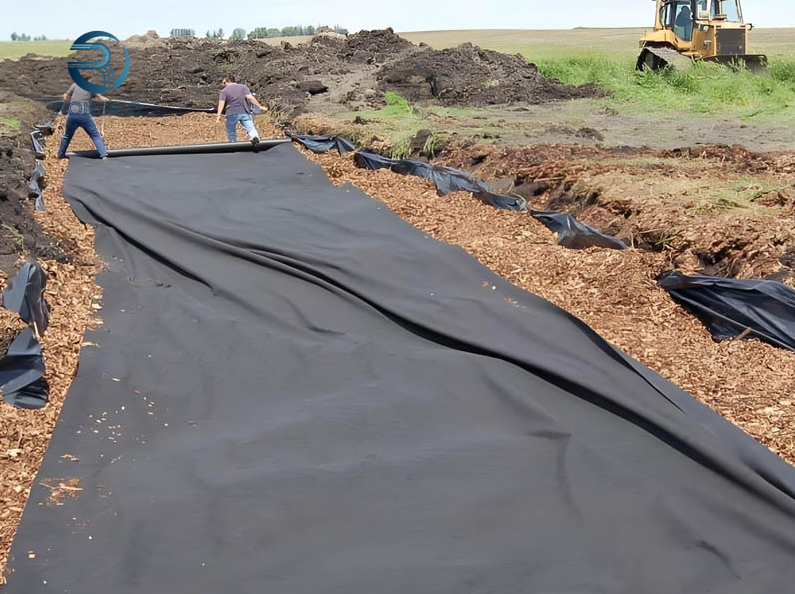
Before placing geotextile under gravel, accurately measure the central axis and mark lateral lines on the installation surface. Install along these lines with a max side - line deviation of ≤5 cm.When laying adjacent geotextile sections, overlap by at least 50 cm and bond as per site and environmental conditions.All installed components must meet industry quality - control standards. Ensure compliance with safety, durability, and performance criteria before subsequent construction on the geotextile layer to avoid delays and rework.
5. Laying of protective layer
Once the geotextile is installed, immediately lay the protective layer, preferably simultaneously for seamless protection.During laying, ensure transport vehicles avoid driving on the geotextile and use areas with the protective layer already laid to prevent damage and alignment problems.Other installation specifications for the protective layer are similar to those of the cushion layer, but a 4% drainage slope is needed for efficient water drainage and structural stability.
6. Paving of seepage soil
Install the protective layer right after or preferably simultaneously with geotextile installation for seamless protection.During laying, keep transport vehicles off the geotextile and use areas with the protective layer laid to avoid damage and alignment problems.The protective - layer installation specs are similar to the cushion layer's, but a 4% drainage slope is needed for efficient drainage and structural stability.
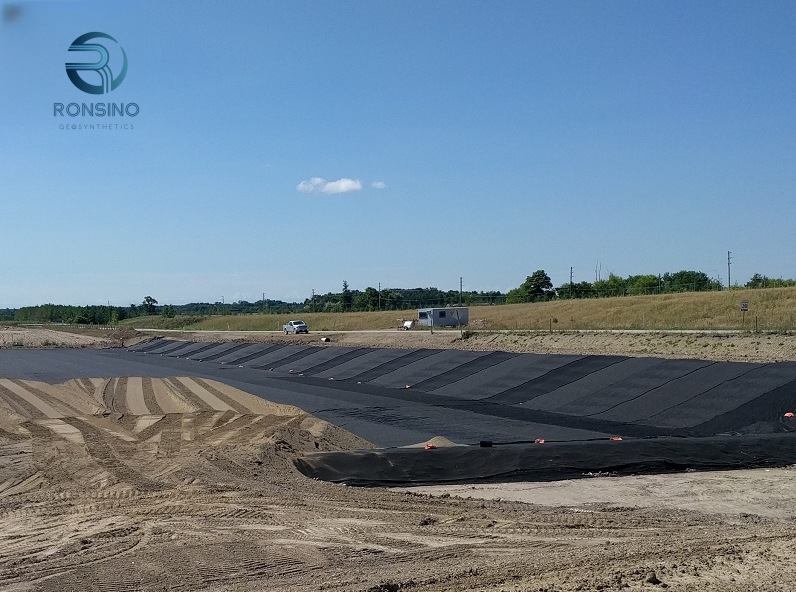
Specifications of Geotech Fabric Under Gravel for Road Construction in Surinam
Total quantity–84000 squares meters
Geotextiles specification – 200gsm
Each roll size is 5.8m*100m
About RONSINO
RONSINO produces and wholesales advanced, efficient geosynthetics like geotextiles and geomembranes, supplying over 36 countries globally.Its products are used in waste management, water storage, aquaculture, industry, energy projects and mining.Customers come from diverse regions such as Australia (large - scale infra and env't projects), France (developed industries), Sweden (sustainability - focused), the UK (long - standing engineering tradition), etc., covering countries with different development needs and challenges.
RONSINO is not only manufacturing best quality geosynthetic products but also providing professional design and installation service. OEM, ODM, custom development and fabrication are also available. If you have any questions or inquiries, please fill and submit the following form, we will reply as soon as possible.