Long Fiber Nonwoven Geo Fabric for Road Construction in Comoros
case · 2025-12-24 · 0 views
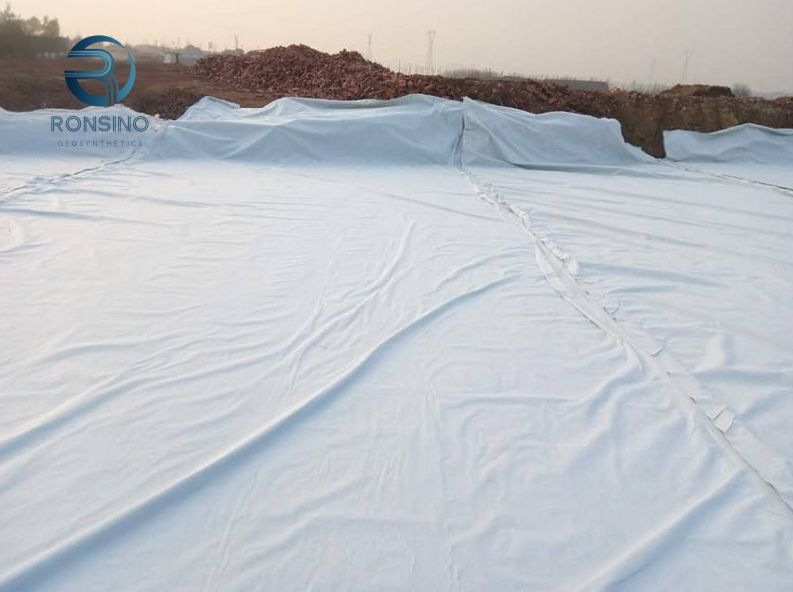
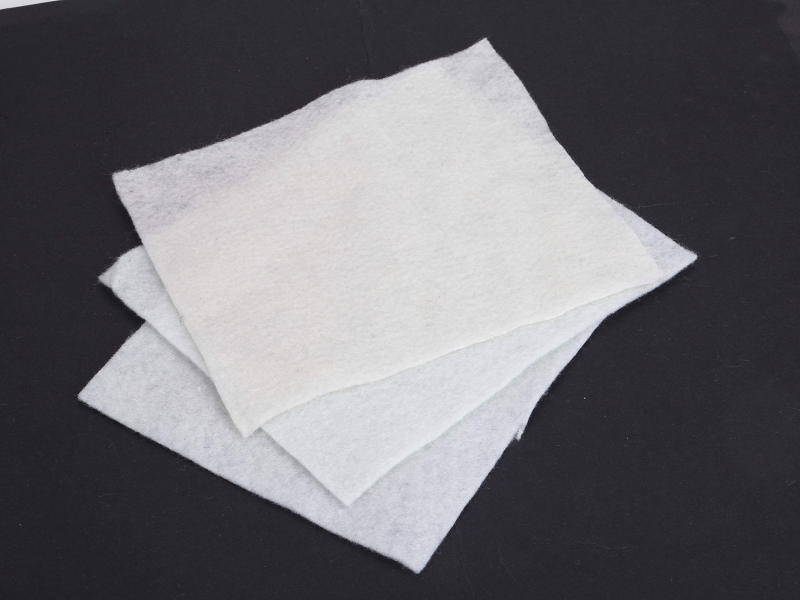
Long Fiber Nonwoven Geo Fabric has excellent mechanical performance, high water permeability, strong corrosion - and anti - aging capabilities. It has functions like isolation, anti - filtration, etc.It endures minimal damage and low creep, keeping shape and functionality under long - term pressure.These geotextiles can replace conventional materials, enhance construction safety, reduce collapse risks, and are eco - friendly. They provide an economical, efficient and sustainable solution to engineering issues such as improving foundation bearing capacity and preventing soil erosion.
Laying Process of Polyester Long Fiber Nonwoven Geo Fabric
1.Storage, Transportation, and Handling of Geotextiles
Protect geotextile rolls from damage before installation. Stack them in a non - water - pooling area, with stack height not exceeding four roll - heights for easy label visibility.
2.The Laying Method of Geotextile Filter Fabric
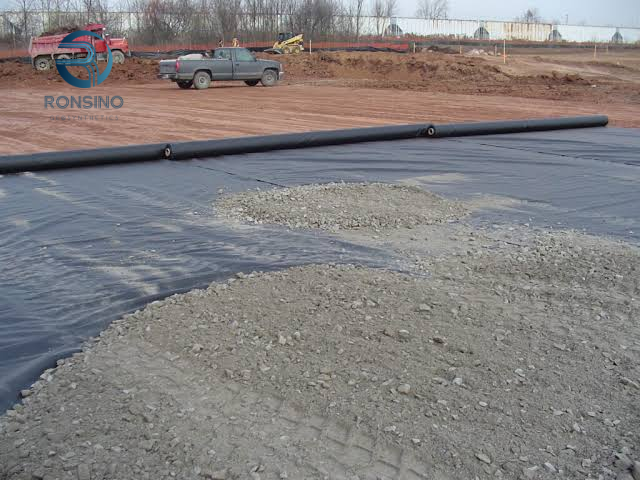
1) Manual rolling: Keep the fabric surface smooth, free of wrinkles, and set aside deformation allowance. 2) Installation of filament or short - filament geotextiles: Use multiple methods (lapping, sewing, welding). Stitching and welding width should be over 0.1 meters, lapping width over 0.2 meters. For long - term exposed geotextiles, use welding or sewing. 3) Sewing of geotextiles: Stitch continuously; point - stitching is prohibited. Geotextiles should overlap at least 150 millimeters. The minimum distance from stitching to the selvedge should be at least 25 millimeters.
Case Study Of Long Fiber Nonwoven Geo Fabric for Road Construction
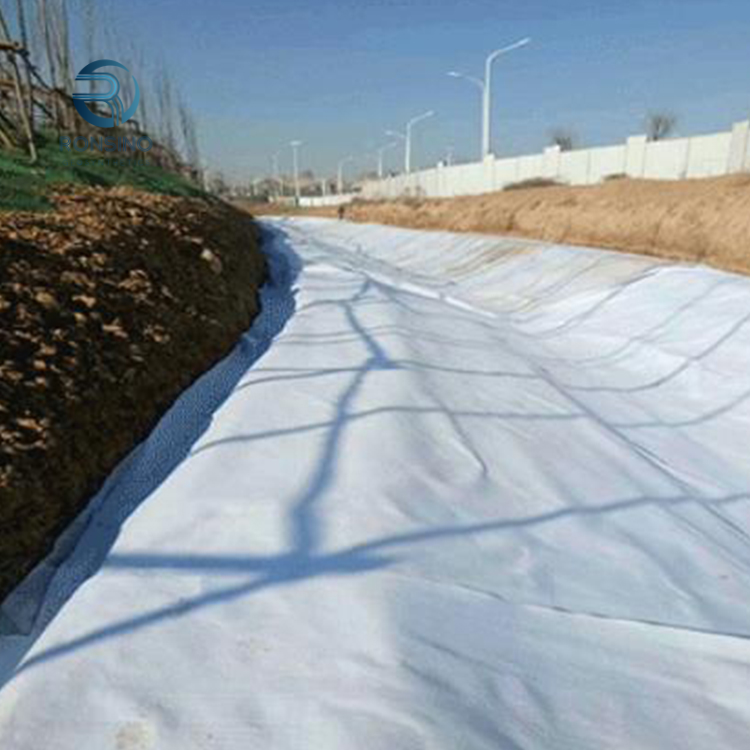
For a Comoros road - building project, the planned route passes through a fish pond, requiring treatment of surrounding silt dike and weir foundations.Using geotextiles to reduce settlement works in multiple ways: it reduces the effective load at the embankment center to limit lateral displacement and extrusion, and the Long Fiber Nonwoven Geo Fabric and bottom sand layer form a horizontal drainage passage for faster drainage and soft - soil consolidation.The Comoros customer ordered 52,000 square meters of PET non - woven geotextile, which can solve road - foundation settlement, relieve construction pressure, speed up road - building and cut project costs.
Specification of Long Fiber Nonwoven Geo Fabric for Road Construction in Comoros
Roll of Size – 5.8m*100m
Geotextile: – PET Nonwoven Geotextile 400g
Total Quantity – 52000 square meters
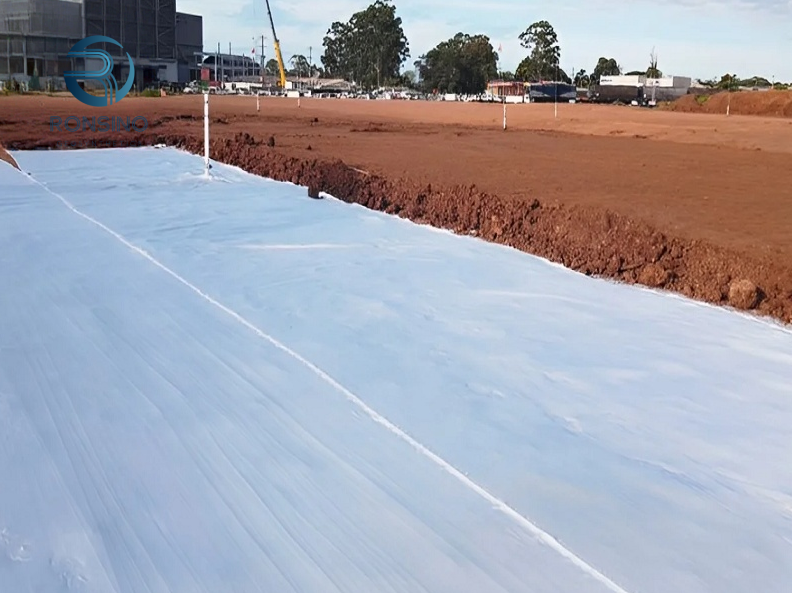
The Main Role of Reinforced Filment Geotextiles in the Foundation Treatment of Reclamation Projects
1. Play the role of isolation and reduce the settlement of the embankment body.
In the Comoros, highway engineering bases are of high - plasticity clay. Without geotextiles, silty soil on the foundation surface may move up through stone - layer gaps, causing embankment settlement.For fish pond foundations, soil permeability lets soft soil rise during tides, eroding and undermining stability.Using reinforced geotextile in construction can prevent the “slurry” effect of plastic foundation soil, reducing settlement and protecting stability.
2. Strengthen the integrity of the foundation and improve the bearing capacity of the foundation.
The application of geotextiles has two main functions. First, it strengthens the confining impact on the foundation soil as the top - most layer of the fish pond tidal flat foundation consists of soft, fluid - plastic silt. Second, it makes the foundation stress more homogeneous. When laid, geotextiles re - distribute the extra stress on the foundation, resulting in a more even stress pattern.
3. Strengthen the overall anti-skid stability of the embankment body.
In fishpond highway engineering design, ensuring sufficient anti - slip capabilities of embankment bodies is crucial as it affects highway cross - section size and construction investment. Installing geotextiles on embankments can enhance anti - slip ability and structural integrity against external forces such as pond water pressure. Laying nonwoven soil - reinforcing materials can reduce seawall dimensions during coastal road construction, cutting costs for building functional transportation routes in aquaculture pond regions, which are still common in global infrastructure development.
About RONSINO
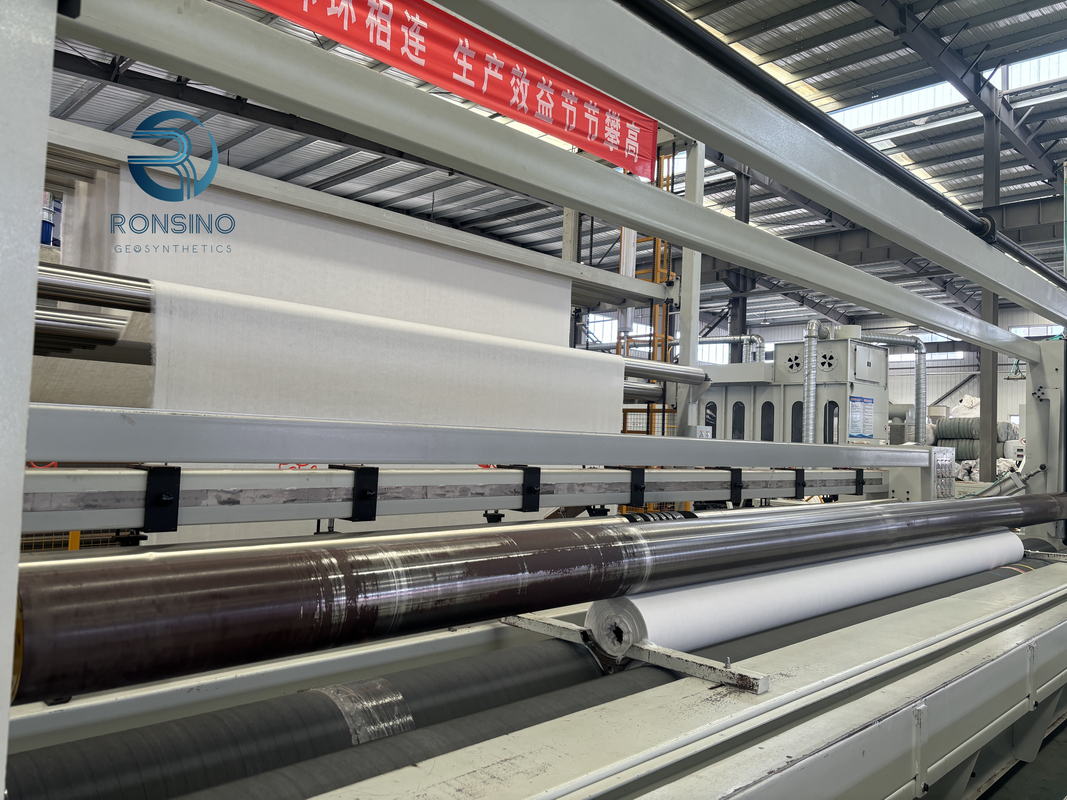
RONSINO produces and wholesales various high - performance and cutting - edge geotextiles, geomembranes and other geosynthetic materials to over 36 countries. Its geosynthetic products are widely used in industries like waste management, water storage, aquaculture, large - scale industrial projects, energy - related projects and mining operations. RONSINO's main customers come from diverse global regions, including Australia, France, Sweden, the UK, Hungary, New Zealand, Poland, Mexico, Ecuador, Brazil, Pakistan, Bangladesh, Comoros, Vietnam, Malaysia, Indonesia, Singapore, the Philippines, Sri Lanka, India, the UAE, Saudi Arabia, Qatar and Kenya.
RONSINO is not only manufacturing best quality geosynthetic products but also providing professional design and installation service. OEM, ODM, custom development and fabrication are also available. If you have any questions or inquiries, please fill and submit the following form, we will reply as soon as possible.