How to select geotextile fabric?
Blog · 2026-01-09 · 0 views
Key Market Trends Driving Adoption
The global acceptance of Geotextile Landscape Fabric is influenced by urban planning structural changes and environmental regulations. A major trend is the shift to multi - purpose geotextiles, which integrate functions like weed prevention, soil layer separation, substance filtering, and proper drainage in one fabric.
Another notable trend is the demand for more robust UV - stabilized fabrics for above - ground or semi - exposed setups. Producers are expanding their product ranges to include higher - GSM fabrics, nonwoven polypropylene mats, and permeable woven frameworks for complex landscape designs.
Modern agriculture's high mechanization underscores the importance of long - lasting landscape fabric for soil erosion prevention, moisture preservation and planting efficiency.
In B2B procurement searches, long - tail keywords like “non - woven landscape fabric,” “weed - control geotextile,” and “heavy - duty garden ground covering” are more relevant as businesses look for suitable agricultural products.
Global Market Landscape for Geotextile Landscape Fabric
The global geotextile landscape materials industry has grown significantly. This growth is attributed to increased investments in sustainable land development, soil preservation and civil engineering in both developed and developing countries. Public - led ecological projects, large - scale urban revitalization and a greater focus on ground reinforcement have increased the demand for specialized textiles suitable for various environmental and geological conditions.
Industry statistics show the geosynthetics industry's annual output exceeds $12 billion. Geotextile landscape fabric is a fast - growing sub - sector. Investments in sustainable land management, highway embankment protection, agricultural modernization, and commercial landscape projects are driving its market growth. As cities focus on long - term ecological balance, high - performance geotextiles are now a standard necessity, not just an option.
Technical Parameters Defining High-Quality Geotextile Landscape Fabric
In international Geotextile Landscape Fabric procurement, technical reliability is crucial. Purchasers evaluate products by:
• Weight (GSM): 70 - 200 GSM, determined by filtration and load - bearing needs. High - load areas require higher GSM, simple filtration lower GSM.
• Tensile Strength: Woven or needle - punched nonwoven fabrics have 6 - 20 kN/m to bear soil pressure and external loads.
• Permeability and Flow Rate: Engineered pores enable water flow, control soil particles for drainage and erosion prevention.
• UV Resistance: Needed for sun - exposed projects to prevent degradation and prolong lifespan.
• Puncture Resistance: Vital in areas with sharp stones or impacts; high - resistance fabric resists abrasion.
These technical values help landscape architects and civil engineers decide usage scenarios. Adding “Geotextile Landscape Fabric” in technical docs boosts SEO and communication.
Material Structure and Functional Design
Geotextile landscape fabric has woven and non - woven types, each with unique benefits.
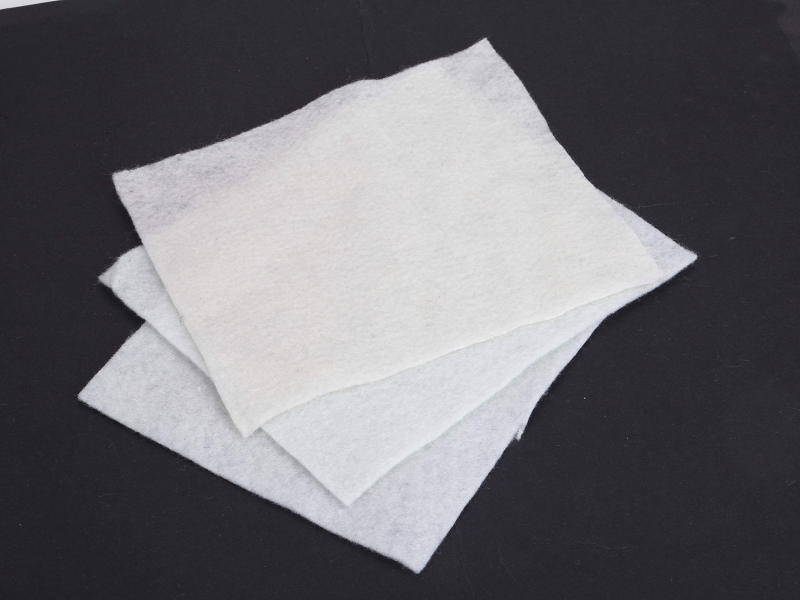
Non - woven fabrics, made by needle - punching or thermal bonding, are good at filtration, permeable, and suitable for drainage, gardens, and soil erosion control.
Woven fabrics have excellent tensile strength and can separate structures. They're often used under roadways, patios, retaining walls, and as paver bases.
The fabric's pore structure regulates water flow and stops soil particle migration. These features make it adaptable for soft landscaping and large - scale civil engineering projects.
Manufacturing Process and Quality Control
The production of Geotextile Landscape Fabric starts with high - quality polypropylene or polyester pellets. The pellets are melted and extruded into fine fibers. For nonwoven fabrics, needle - punching operations entangle the fibers into a stable, uniformly - sized mat. Woven fabrics are made on high - speed looms that precisely align the warp and weft threads for a well - structured fabric.
Rigorous quality control measures ensure even thickness, stable GSM, precise tensile properties, and consistent filtration efficiency. Testing labs conduct thorough checks to confirm the products meet international geosynthetics standards like ISO and ASTM. Continuous quality surveillance guarantees reliable material performance during installation and long - term use.
Applications Across Landscaping, Agriculture, and Civil Engineering
Geotextile Landscape Fabric is widely used in commercial, municipal, and agricultural settings. Its typical applications are:
1.Suppress weeds in gardens, orchards, etc. by preventing unwanted growth.
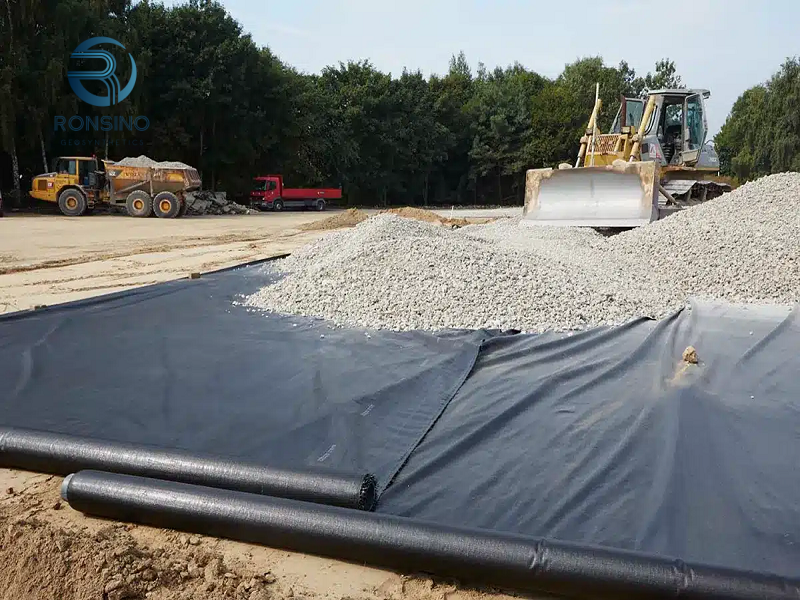
2.Separate and reinforce soil under pathways, etc. for ground stability.
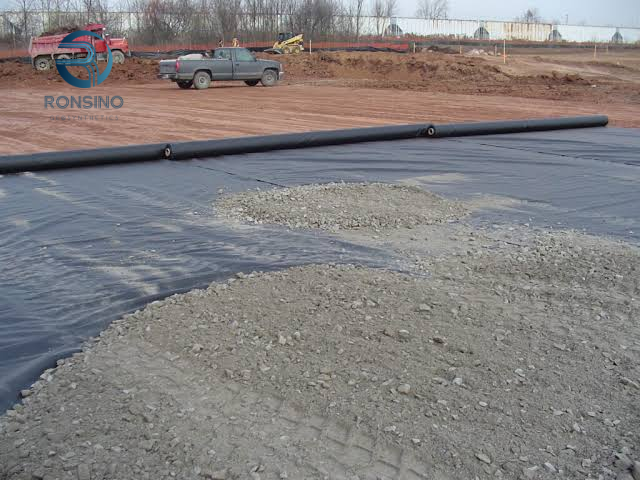
3.Serve as drainage and filtration layers for retaining walls, etc., filtering sediment while letting water pass.
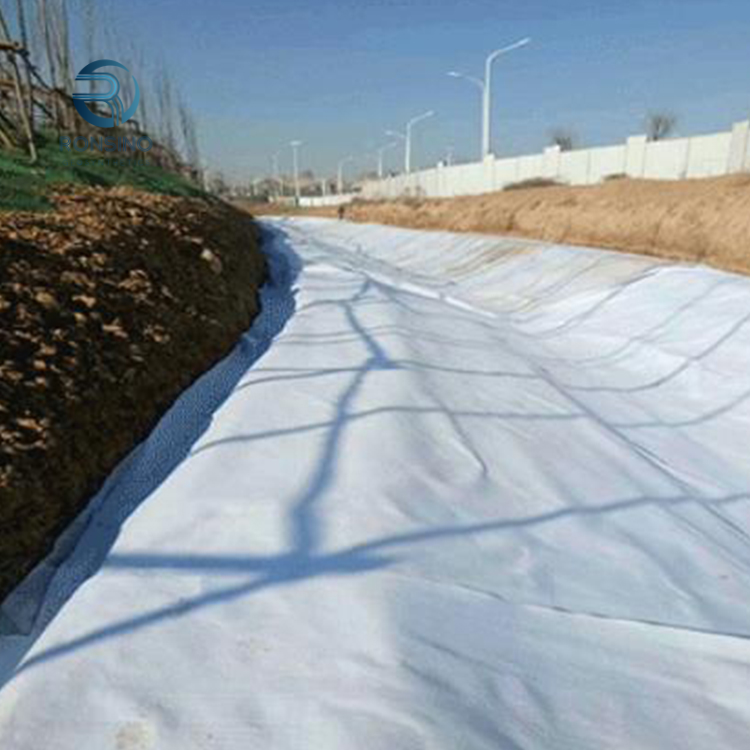
4.Control erosion along riverbanks, slopes, etc. by holding soil.
5.Retain moisture in agriculture for a stable root - zone, reducing evaporation and promoting crop growth.
These applications show its versatility in modern environmental engineering and land development.
International Buyer Preferences and Procurement Insights
International purchasers highly value Geotextile Landscape Fabric for its reliability, easy installation and proven performance. In Europe, North America, the Middle East and the Asia - Pacific, purchasing groups evaluate it by:
Robust, verifiable GSM specs for strength and durability.
Precise permeability and filtration data for water management.
Customizable roll sizes to reduce on - site labor.
Anti - UV and anti - aging features for longer lifespan.
Competitive prices with stable production to prevent shortages.
Buyers face problems like inconsistent quality from low - cost suppliers, scarce lab testing data, slow delivery and lack of technical documents. Solving these is key for long - term trust in supplier - buyer partnerships.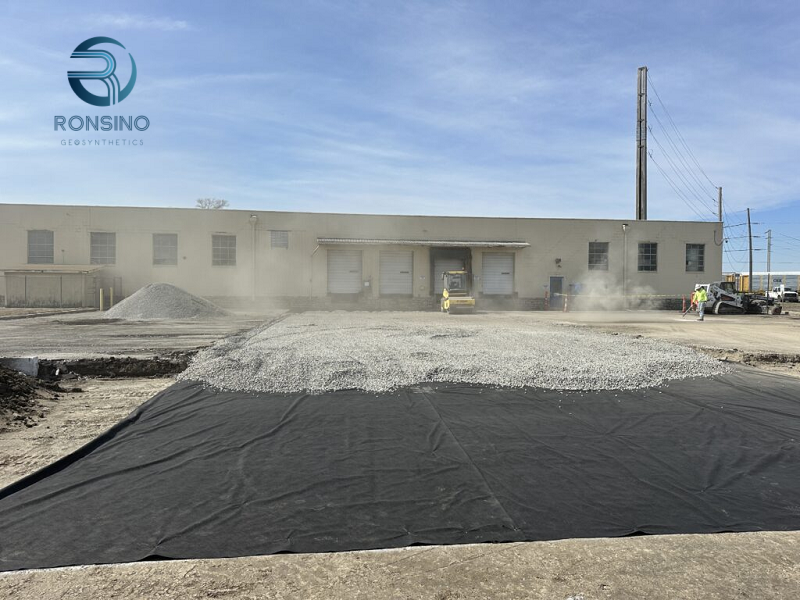
Future Outlook: Increasing Role of Geotextile Landscape Fabric in Sustainable Development
With tightened global environmental rules and rapid urban green infrastructure progress, Geotextile Landscape Fabric will play a key role in sustainable landscape design and construction. Polymer engineering, manufacturing automation, and durability standards will affect the field's competition.
We're committed to providing high - performance geotextile solutions for international contractors, distributors, and engineering firms, meeting global standards.
Conclusion: Supporting Modern Landscapes with Advanced Geotextile Solutions
Geotextile landscape fabric is a key material in landscaping, agriculture, and infrastructure construction. Its abilities like strengthening soil, improving drainage, controlling weeds, and prolonging project lifespan make it essential for global experts.
We invite international buyers to request data sheets, product samples, and have technical consultations to ensure the best material choice for their projects. Professional help is available for specification - making, installation guidance, and customized solutions.
FAQs
1. How do I choose the right GSM for Geotextile Landscape Fabric?
For weed control, 70 - 100 GSM lightweight fabrics are the most suitable. Conversely, for soil separation, filtration, and structural reinforcement, 150 - 200 GSM options are highly recommended.
2. What is the difference between woven and nonwoven landscape fabric?
In load - bearing scenarios, woven textiles present greater tensile strength. On the contrary, for common landscaping undertakings, nonwoven materials offer excellent drainage and filtration capabilities.
3. Is Geotextile Landscape Fabric suitable for areas exposed to sunlight?
Certainly. UV - stabilized substances are engineered to endure prolonged exposure to ultraviolet rays and uphold their long - term structural soundness when a portion of them is situated above the ground surface.
4. Can I request customized sizes for large engineering projects?
Certainly. We can provide customized widths, lengths, and GSM specs to precisely meet your project's specific requirements. Offering these tailored options can effectively reduce installation labor.
For detailed quotations, technical sheets, or sample evaluation, please contact our engineering and sales team to begin your procurement process.