Geomembrane and Geotextile for Fluorite Heap Leach Pads Project in Mexico
case · 2025-10-18 · 0 views
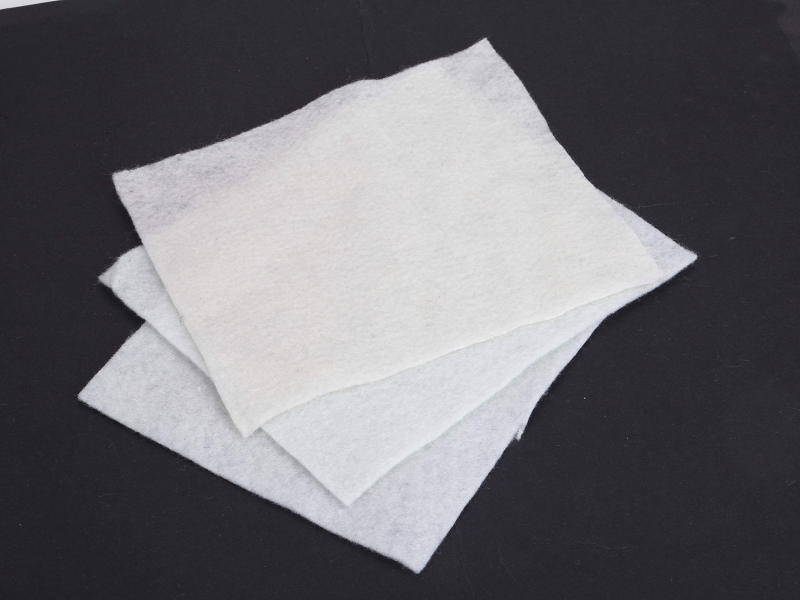
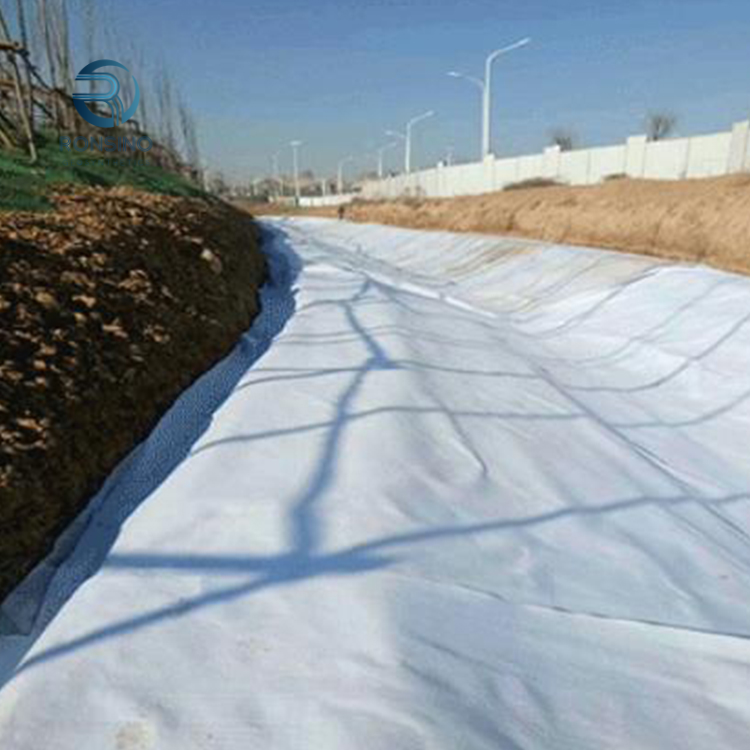
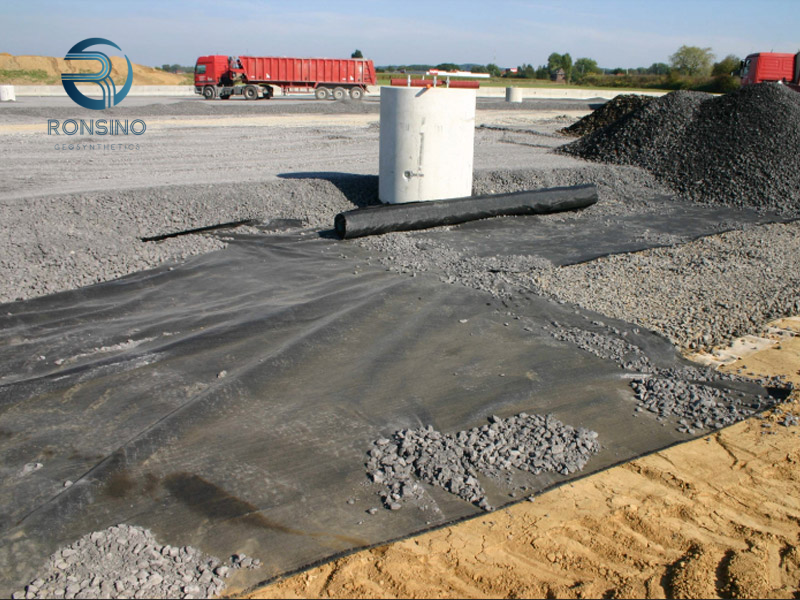
The Geomembrane and Geotextile are widely used geosynthetic materials in civil engineering. Geotextile cloth, a permeable textile, can separate soil layers, filter particles, strengthen soil, protect it from damage and erosion, and aid drainage when used with soil.
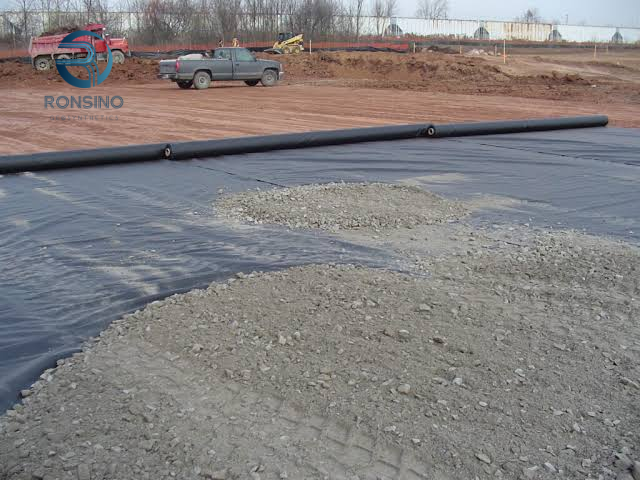
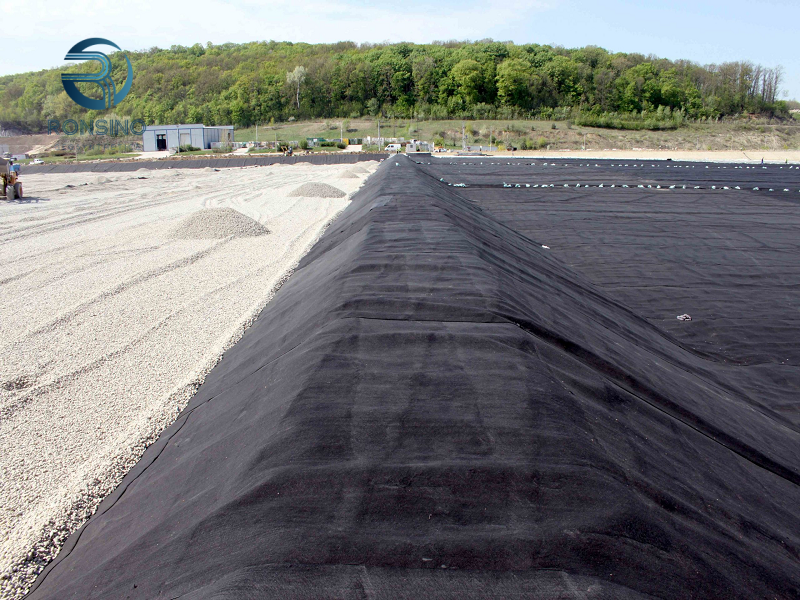
A geomembrane is a polymer - based, flexible and waterproof membrane at least half a millimeter thick.These two materials can be combined for various projects like slope protection (preventing soil erosion), heap leach pads (containing leaching solutions), and embankment reinforcement (enhancing stability).
Case Study
Location: Mexico
Product: 1.5mm Geomembrane and 300GSM Nonwoven Geotextile
Application: Fluorite Heap Leach Pads and Reservoir
1.Benefits
Extended long - term resilience. Resilience and chemical resistance are ensured by meticulous resin selection and a specialized stabilizing system matched to the resin type. Ample field and lab data confirm this excellent performance.High - resilience HDPE Liner. Effective waterproofing is key for geomembranes. Aging and unacceptable stresses threaten this function. RONSINO HDPE geomembranes have high long - term durability. They're made from carefully - chosen hexene or octene copolymer resins with low stress - cracking susceptibility. Tests like the Notched Constant Tensile Load Test (DIN EN 14576 or ASTM D5397) verify their high stress - crack resistance. Long - term tensile tests on structured materials also show their long - lasting durability.
2.Advantages
Exceptionally high levels of chemical and thermal resistance are exhibited.
This particular type of installation enjoys an extremely long service lifespan.
When compared with other facilities, the costs associated with this are significantly lower.
It demonstrates remarkable resistance against potential impacts.
It shows resistance to acids and the majority of liquids, even when submerged in water at temperatures up to approximately 100 degrees Celsius.
The utilization of high - density polyethylene endows the geomembrane with flexibility even under low - temperature conditions.
Quality control measures are carried out throughout the installation procedure.
In comparison to low - density polyethylene, it possesses greater stiffness characteristics
3.Issue
Exceptionally high levels of chemical and thermal resistance are exhibited.
This particular type of installation enjoys an extremely long service lifespan.
When compared with other facilities, the costs associated with this are significantly lower.
It demonstrates remarkable resistance against potential impacts.
It shows resistance to acids and the majority of liquids, even when submerged in water at temperatures up to approximately 100 degrees Celsius.
The utilization of high - density polyethylene endows the geomembrane with flexibility even under low - temperature conditions.
Quality control measures are carried out throughout the installation procedure.
In comparison to low - density polyethylene, it possesses greater stiffness characteristics
4.Solution
The customer provided engineering documents and CAD files, based on which our technical team determined the optimal geomembrane thickness and geotextile application rate, and jointly selected materials with the customer: 1.5mm smooth surface high-density polyethylene (HDPE) geomembrane, paired with 300 grams per square meter (gsm) double-layer polyester (PET) non-woven geotextile.
The Mexican government then acted as an independent regulator, rigorously reviewing material selection and approving construction to ensure high standards were met.
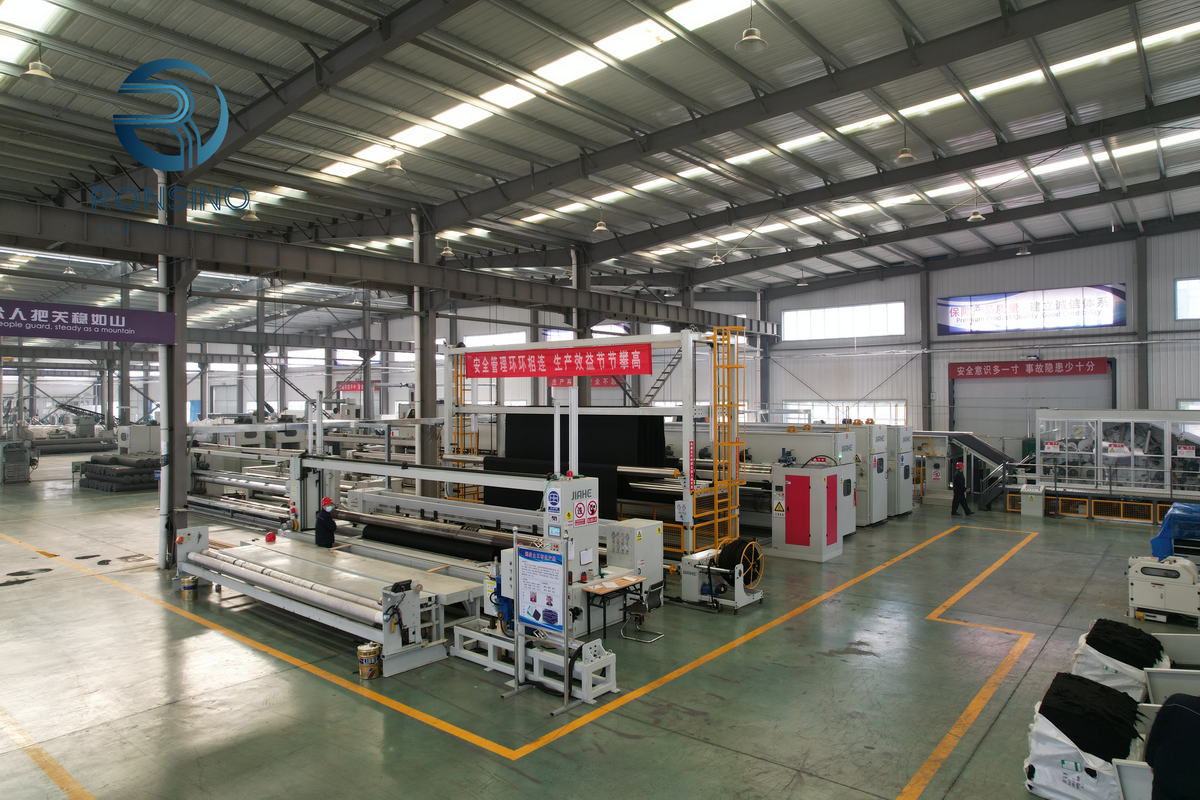
In the third stage, customer representatives conducted a detailed audit of our company's production process and finished product inventory, and both parties reached a consensus on cooperation.
In the fourth stage, our company uses a professional construction team, which has successful experience in large-scale tailings ponds, hydropower stations, landfills and other projects, and is equipped with advanced Swiss welding equipment to ensure construction quality.
The materials arrived at the site via Erlian Port, and the construction crew quickly entered the site. Installation and welding were completed efficiently within three months, and the project was successfully completed.
5.Summary
High - density polyethylene (HDPE) geomembranes are widely used in various industries for their significant advantages.Made of a material with high molecular and structural stability in diverse environments, they offer long - term reliability, durability against physical wear, and long - term quality maintenance.They can be customized to meet customer requirements, making them versatile.Complying with national and international safety regulations, they protect human health and the environment. The global focus on sustainability has increased demand as they are eco - friendly, recyclable, with a low carbon footprint and less waste.Ideal for waterproofing in landfills, industrial storage, and wastewater treatment, they are crucial in large - scale infrastructure to control fluid and prevent pollution.They have excellent chemical resistance and can maintain structural integrity.Globally, HDPE is the most common choice due to easy access via established supply chains and reasonable cost. It suits large - scale projects requiring high UV and ozone resistance, chemical inertness, and high - quality installation.These merits make HDPE geomembranes a favorite for efficient, effective, and long - lasting geotechnical engineering solutions.
6.Specifications of Geomembrane and Geotextile for Fluorite Heap Leach Pads Project in Mexico
Total HDPE liner quantity– 186200 squares meters
HDPE liner thickness – 1.5mm
Each roll size is 7m*140m
Total geoetxtile quantity–150,000 squares meters
Geotextile specification– 300gsm
7.About RONSINO
RONSINO has been specializing in delivering one stop geosynthetics products and solutions to worldwide customers since its foundation in 2007. RONSINO had provided many types of effective and state of the art geomembranes, geotextiles, geocells, geosynthetic clay liners (GCLs), drainage boards, geogrids to over 81 countries. Our main customers are from Australia, France, Sweden, UK, Hong Kong, Hungary, New Zealand, Poland, Mexico, Ecuador, Brazil, Pakistan, Bangladesh, Thailand, Vietnam, Malaysia, Indonesia, Singapore, Philippines, Sri Lanka, India, UAE, Saudi Arabia, Qatar, Kenya, Ghana, Ethiopia, Somalia, Nigeria, South Africa, Swaziland, Mexico, etc.