What is The Price of Geotextile?
Blog · 2026-09-05 · 0 views
This comprehensive guide delivers empirical insights, performance metrics, and practical strategies to empower civil engineers, construction contractors, and procurement specialists with the expertise to address cost complexities and achieve optimal value decisions. Spanning from permeable separation fabrics to high-stability geogrids, understanding these economic principles enables the development of sustainable and cost-effective infrastructure solutions. Headquartered in Taian, Shandong Province, China, Shandong Ronsino New Material Co., Ltd. (operating under the Ronsino brand) specializes in manufacturing geotextile products that meet rigorous ASTM and ISO standards, producing over 24,000 tons annually for export to more than 60 countries worldwide. Our customized formulations, incorporating 15–25% recycled materials, deliver significant cost advantages while maintaining superior performance characteristics. Contact our technical team today for tailored proposals and professional consultation services.
1. What Is Geotextile Membrane?
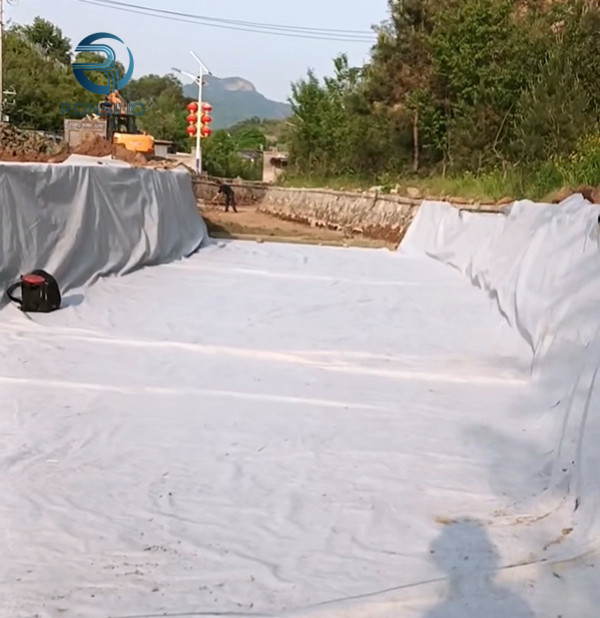
Geotextile membranes, also widely referred to as geotextile fabrics or geofabrics, are specially engineered permeable textile materials designed to interface directly with soil, crushed aggregate, or other geotechnical structural matrices. They are developed to perform a range of core functions including layer separation, targeted filtration, structural reinforcement, efficient fluid drainage, and surface or substrate protection.
Unlike impermeable geomembrane products that completely block fluid passage, these specialized textiles allow controlled hydraulic flow through their porous structure while effectively blocking the migration of fine soil and aggregate particles. This unique performance prevents the intermixing of adjacent structural layers and the clogging of void spaces, both of which would otherwise significantly compromise the long-term stability and functional effectiveness of geotechnical and civil engineering structures.
When deployed in subsurface applications under standard operating conditions, geotextile membranes boast an expected service life ranging from 20 to 100 years. They outperform traditional graded gravel filtration and separation systems by 30 to 50 percent in terms of overall operational efficiency and environmental impact, and can reduce the demand for mined aggregate materials by as much as 40 percent across relevant construction projects.
1.1 Materials and Manufacturing Processes
Modern geotextile materials are primarily composed of synthetic polymers, and their excellent resistance to biodegradation, chemical corrosion, and UV aging accounts for 90% to 95% of the total market share. Polypropylene (PP) dominates this market with a 65% share, its significant advantages being cost-effectiveness (estimated price of approximately $1300 per ton by 2025) and hydrophobic properties, making it an ideal choice for drainage engineering applications. Polyester (PET) holds a 20% market share and boasts superior tensile strength, but this comes with a 10% to 15% additional cost. Polyethylene (PE), with a 10% market share, is mainly used in temporary engineering projects. Natural fiber materials such as coconut fiber or jute, with a 5%-10% share, offer biodegradability and are suitable for short-term soil and water conservation projects, although their effective lifespan is typically only 3 to 5 years.
The manufacturing process determines the actual utility and economic value of a product: Woven geotextiles: Made from high-strength filaments woven in a warp-weft interlacing pattern, they achieve tensile strengths of 20 kN/m to 300 kN/m (according to ASTM D4595 test standard), while maintaining an elongation at break within 25%, making them particularly suitable for reinforcement and strengthening projects. Although this complex and precise manufacturing process increases product costs by 20%-30%, it significantly enhances the overall isotropic mechanical properties of the material.
Non-woven geotextiles: Formed by consolidating short fibers through needle punching or thermal bonding, they achieve porosity ranging from 40% to 60%, with a permeability coefficient between 0.01 cm/s and 0.1 cm/s (according to ASTM D4491 test standard). In the production and processing of nonwoven products, over 70% utilize needle-punching technology, enabling the production of 100-800 grams per square meter, and reducing production costs by 15%-20% compared to other processes.
Knitted geotextiles, with their interlocking yarns forming loop structures, possess over 50% elongation and deformation capacity, making them particularly suitable for earthquake-prone areas or special engineering projects such as coastal protection. Their tensile strength ranges from 10 kN/m to 200 kN/m. Currently, this type of product only accounts for 5% of the overall market share, and its excellent flexibility results in a price increase of 30% to 50% compared to ordinary types.
Ronsino has introduced advanced needle-punching and weaving production equipment and technology at its ISO9000 quality system certified production base. The polypropylene nonwoven geotextile products manufactured by Ronsino adopt an isotropic fiber arrangement structure design to ensure that the hydraulic performance stability and reliability index parameters reach more than 95%. The polyester woven geotextiles produced by Ronsino fully exceed the parameter index limits specified in the relevant technical requirements of the AASHTO M288 Grade 1 standard.
1.2 Key Specifications and Parameters
The key to selecting suitable geomembrane products lies in accurately matching the material's performance parameters with the rigid requirements of the actual application scenario, while strictly adhering to the ASTM D4751 international standard's specifications for filtration performance and the GRI-GT8 industry standard's assessment indicators for long-term durability. The following list of core parameters covers the key reference dimensions for this type of product selection:
The 300g polypropylene nonwoven geotextile produced by Ronsino exhibits a tensile strength of 30 kN/m, a permeability of 150 liters/m²/s, and an equivalent opening size of 0.15 mm. It has passed the testing and verification of the stringent performance requirements of Level 2 in the AASHTO M288 standard and can achieve a performance retention rate of 98% in engineering applications such as vehicular access roads.
1.3 Primary Applications
The versatility of geosynthetic membranes has driven their widespread application in multiple fields:
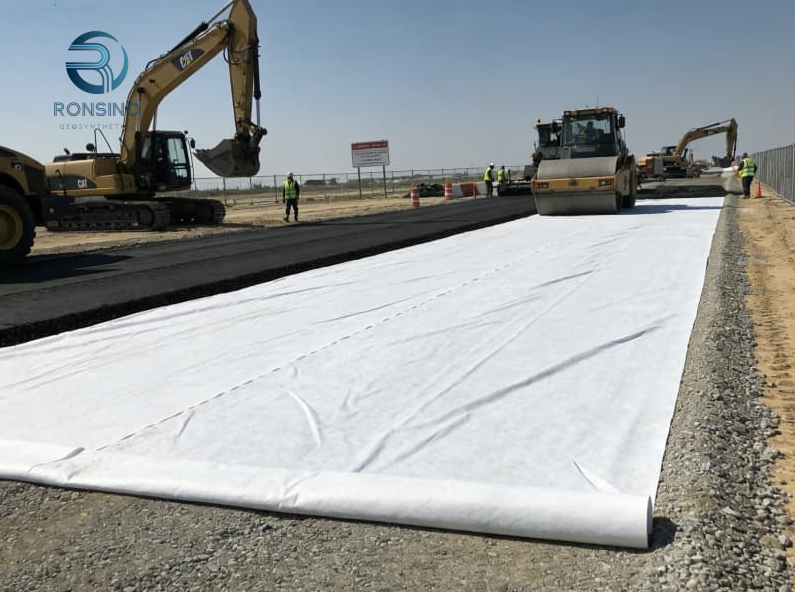
Road construction and pavement repair: Subgrade isolation layers prevent pollution, extend service life by 25% to 50%, and reduce aggregate usage by 30%. Woven geotextiles (200 to 400 g/m²) dominate in 48% of applications.
Erosion control: Slope and coastal protection projects can reduce soil erosion by 60% to 90%; the use of nonwoven geotextiles or coconut fiber mulch promotes vegetation restoration.
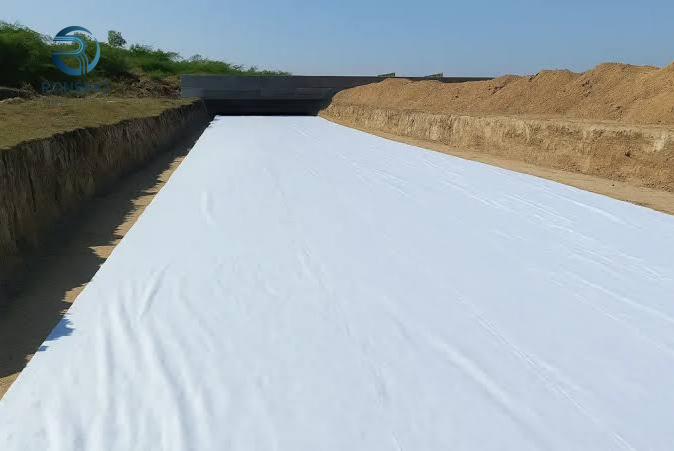
Drainage systems: As an aggregate filter layer in culverts or pavement structures, it improves drainage efficiency by 40%, and nonwoven geotextiles can prevent 95% of siltation and blockage.
Landfill and waste containment: Acting as a geomembrane buffer layer and leachate interception layer, it achieves 90% pollution reduction.
Auxiliary applications include: railway ballast layers (reducing vibration amplitude by 20%), agricultural irrigation (increasing water retention by 15%), mine tailings dam seepage prevention, and coastal protection projects (dissipating wave impact by 30%).
2. How Much Is The Geotextile Membrane Price?
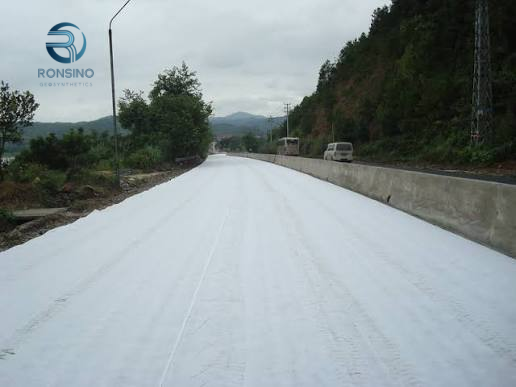
According to the latest 2025 industry indicator data, the average market price of geotextile membranes ranges from USD 0.15 to 7.50 per square meter. Broken down by product type, the price of non-woven geotextile membranes is between USD 0.15 and 3.00 per square meter, while the woven geotextile membrane products with higher tensile strength and better seepage control performance are priced at USD 0.30 to 7.50 per square meter.
If on-site installation and deployment services are included, the total cost will increase by 20% to 50% on the basis of the bare material price, which is equivalent to an additional USD 0.50 to 2.00 per square meter. At the same time, bulk procurement projects with a single order volume of more than 10,000 square meters, such as large-scale bidding projects from suppliers represented by Ronsino, can usually enjoy a purchase discount of 15% to 25%, which will pull the actual landed cost per square meter down to the range of USD 0.12 to 2.00.
This part will conduct an in-depth analysis of the core factors affecting the pricing of geotextile membranes, and be supported by a large number of actual market transaction data, so as to provide a reliable reference for enterprises to carry out accurate project budget preparation and capital allocation planning.
2.1 Geotextile Membrane Price – Type
Differences in fabric type can cause data fluctuations of 40% to 50%, a phenomenon closely related to the complexity of the production process and technical capabilities. Nonwoven fabrics, with their superior hydraulic properties, hold approximately 65% of the market share and play a dominant role in related applications.
Nonwoven geotextiles: Their market price typically fluctuates between $0.15 and $3.00 per square meter. Needle-punched polypropylene products are particularly suitable for drainage engineering scenarios (permeability rates can reach 100 to * L/m²/s), effectively reducing the incidence of clogging problems by approximately 3% in arterial road engineering applications. For example, Ronsino's 200 g/m² specification is priced between $0. and $. per square meter and fully complies with ASTM D standards.
Woven geotextiles: Market pricing generally ranges from $0. to $7.50 per square meter. Woven geotextiles using high-strength polyester fibers (tensile strength of ** to 3 * kN/m) are mainly used in engineering reinforcement projects, reducing the failure rate of structures such as dams by approximately %. The high-end series of this product category sees prices climb to $7.50 per square meter. Knitted geotextiles: These products are priced between $1.00 and $5.00 per square meter; due to their good flexibility, they are particularly suitable for coastal engineering projects (tensile strength ranges from 5 to 20 kN/m). Although knitted geotextiles account for only about 5% of the overall market, their average transaction price is 2% higher than that of ordinary products.
2.2 Geotextile Membrane Price – Material Composition
The cost difference is mainly due to the base material, which accounts for 30%-40%. The annual price fluctuation of synthetic materials is approximately 5%-8%, lower than the benchmark price of oil (e.g., polypropylene at $1300/metric ton in 2025). The parameters of various materials are as follows:
Polypropylene (PP): $0.15-2.00/m², market share 65%, pH resistant 2-13, suitable for water storage facilities, non-woven versions can save 25% on drainage costs;
Polyester (PET): $0.30-2.50/m², market share 20%, tensile strength 100 kN. / meter, suitable for main roads, 15% more expensive but 20% longer lifespan in alkaline environments; Polyethylene (PE): $0.10-1.50/m², low strength, only suitable for temporary projects, 10% market share; Natural materials (coconut fiber/jute): $0.10-1.00/m², biodegradable, 5% market share, 15% carbon reduction, 3-5 year lifespan; Recycled blended materials: $0.12-1.00/m², 10% growth in emerging markets, 20% lower cost, 10% lower carbon footprint, ISO 14001 certified.
Virgin base materials meet GRI-GT7 standards, with 95% reliability, and are 10%-15% more expensive than recycled materials.
2.3 Geotextile Membrane Price – Weight and Thickness
GSM inversely correlates with resilience: +100 gsm elevates puncture defiance 20–30% yet tariffs 25–40%. Caliper (0.5–5 mm) appends 5–10% for surficial coatings.
Lightweight (100–200 gsm): USD 0.15–0.80/m²; >100 L/m²/s transmittance for horticulture, economizing USD 5,000–10,000 petite locales.
Medium (200–400 gsm): USD 0.30–1.50/m²; 20–50 kN/m for arterials, 300 N puncture tolerance.
Heavyweight (400–800 gsm): USD 0.80–3.00/m²; >50 kN/m for impoundments, 20–50 year prolongation.
Ronsino’s 400 gsm woven: USD 1.20/m², attuned for burdensome erosion.
2.4 Geotextile Membrane Price – Project Size and Scale
Magnitude begets 10–30% thrift: >50,000 m² depresses unit levies USD 0.10–0.50/m².
Small (<10,000 m²): USD 0.40–1.50/m²; domiciliary efflux at USD 3,000–5,000 aggregate.
Medium (10,000–50,000 m²): USD 0.25–1.00/m²; arterials, 15% voluminous thrift.
Large (>50,000 m²): USD 0.15–0.80/m²; e.g., 100,000 m² rail: USD 15,000–80,000.
Ronsino’s nominal MOQ (1,000 m²) abets scalability via graduated tariffs.
2.5 Geotextile Membrane Price – Installation Method and Labor
Deployment: 20–50% totality (USD 0.50–2.00/m²), disparate by modality:
Manual Overlap: USD 0.50–1.00/m²; 300–500 mm junctures for 95% potency, 12–18 inch fasteners.
Mechanical: USD 0.30–0.80/m² for expansive terrains; cylinders append USD 0.10–0.30/m².
Anchoring: USD 0.05–0.15/m²; dowels per 1–2 m.
Remuneration: USD 20–50/hour Asia contra USD 50–100 North America. 10,000 m² venture: USD 5,000–10,000 remuneration; pre-sections economize 15% chronology.
2.6 Geotextile Membrane Price – Raw Material Quality
Virgin resin: Compared to 75% recycled material, products with 95% purity enjoy a 10% to 15% premium (US$0.30 to US$0.50 per square meter), thus avoiding potential losses exceeding US$50,000. Additives (such as UV stabilizers and antioxidants) increase costs by 5% to 10%, but extend service life by 20%. Rongxin's virgin polypropylene meets GRI-GT13 standards, justifying its surcharge with 98% terrain adaptability.
2.7 Geotextile Membrane Price – Transportation and Logistics
Freight: Land transport: US$0.05 to US$0.30 per square meter; near-shore transport: approximately US$0.01 to US$0.05 per square meter; ocean transport: US$0.10 to US$0.20 per square meter. Steel coils (4 to 6 meters wide, 50 to 100 meters long) can reduce losses by 10%; Ronsino's hub network in Tai'an has achieved a 98% on-time delivery rate to 60 regions worldwide.
2.8 Geotextile Membrane Price – Maintenance and Lifetime Costs
Annual cost: $0.01 to $0.05 per square meter, compared to $0.10 to $0.20 per square meter for gravel paving; the average amortized cost over a 20- to 50-year lifespan is approximately $0.02 per square meter per year. Proper material selection can save 25% to 40% in expenses over the long term; while violations can result in repair penalties exceeding $100,000.
3. How to Choose the Right Geotextile Membrane
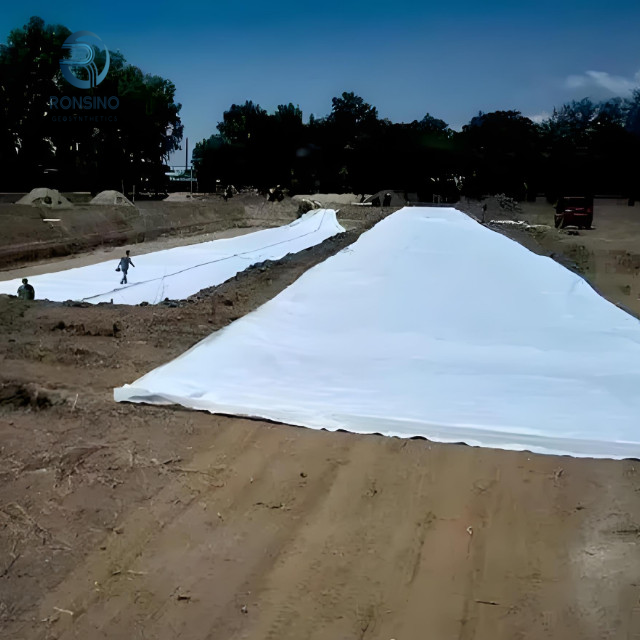
Optimum procurement attains 95–98% venture triumph via attribute congruence.
3.1 Assess Project Requirements
Strata adaptation:
Sand strata: Use 0.1-0.2mm apparent opening size non-woven geotextiles for sieving filtration and separation.
Clay strata: Use ≥50kN/m tensile strength woven geotextiles for construction boundary division and reinforcement.
Weight requirements by scenario:
Main road projects: 200-400g/m².
Mining geotechnical projects: ≥600g/m² for harsh environments.
Typical case reference:
Aquaculture pond renovation generally uses 150g/m², 0.075mm apparent opening size polypropylene geotextiles, currently priced at ~US$0.40/m².
3.2 Prioritize Quality and Certifications
Pristine, GRI-GT8/AASHTO M288 ratified: 10–15% costlier yet 25% defect diminution. Ronsino’s arrays traverse 500-hour UV assays, ISO 14001 verdant.
3.3 Evaluate Installation Needs
Terrain ingress: Manual <5,000 m²; mechanical ampler. Junctures: 300–600 mm; consolidate 150 mm strata evading 10% recidivism.
3.4 Consider Long-Term Costs
Span: Heavyweight economizes 20–30% over 20 years; reprocessed abates emissions 15% at 10% upfront thrift.
3.5 Compare Suppliers
Collate Ronsino (USD 0.15/m² voluminous), BPM, TenCate. Assays corroborate 95% attribute fidelity; Sino provenance economizes 20–30% versus Europa.
4. Industry Trends Affecting Geotextile Membrane Prices
Viability and Creativity Define Development Outline for 2025-2030:
Raw Material Price Fluctuations: Polypropylene (PP) prices will rise by 5% to 8% (US$1,300 per metric ton), driven by oil price fluctuations; related costs are expected to increase by 3% to 5% in 2026.
Green Transition: Recycling rates (reaching 20% by 2030) can reduce costs by 10% to 20% while reducing emissions by 15%; the coconut fiber market will experience a CAGR of 10%.
Wide-width Rolls and Customized Production: 6-8 meter wide rolls can reduce the number of seams by 15%, with prices ranging from US$0.15 to US$2.00 per square meter under Chinese tariffs.
Smart Membrane Technology: While built-in sensors increase costs by 15% to 20%, real-time monitoring can reduce maintenance frequency by 30%.
Rise of the Asia-Pacific Region: The region will account for 45% of the market share; China's US$5.9 trillion infrastructure investment will stabilize export prices at US$0.15 to US$1.50 per square meter. Ronsino has launched a series of 100% recycled PP products, which meet the requirements of UN Sustainable Development Goal 12.
5. Calculating Total Project Costs and Installation Tips
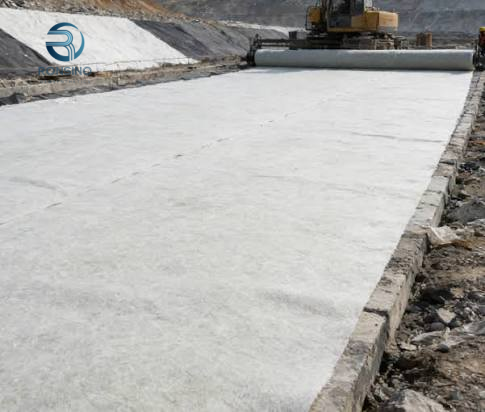
Exactitude fiscalization amalgamates constituents for 98% veracity.
5.1 Step-by-Step Cost Calculation
Topographical Survey: Actual area increases by 10%–15% due to material loss; 10,000 square meters of main road requires 11,000 square meters of material.
Material Selection: 300 g/m² non-woven fabric, unit price $0.80/m², total base material cost $8,800.
Construction Costs: Labor $0.50–$1.00/m², equipment $0.10/m², total $6,600–$11,000.
Transportation and Ancillary Materials: Transportation $0.05–$0.20/m², fasteners $0.05/m², total $1,100–$2,750.
Total Cost: $16,500–$22,550; annual cost $0.08–$0.11/m² based on 20-year depreciation.
Auxiliary Tools: Use AASHTO equipment or Ronsino's free estimation tool, with an accuracy of 95%. For example, in a 50,000-square-meter erosion control project, the base material costs US$7,500–125,000, the total cost is US$15,000–200,000, and 25% is used for laying the riprap slope protection base.
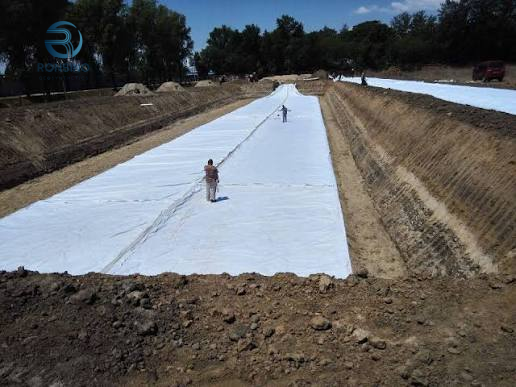
5.2 Installation Best Practices
Forward-looking: Level the substrate, remove debris, and reduce porosity by 20%.
Extrusion: Develop orthogonal discharge; spacing 300–600 mm, fixed every 1 meter.
Infill/Compact: Lay in layers 150–300 mm, CBR value greater than 20%, avoid punctures.
Inspection: Tensile test (ASTM D4632) ensures 100% integrity; monitor for 10% anomalies.
Savings Recommendations: Team training can improve efficiency by 15%; staged discharge can reduce weather delays by 20%.
Implementation can reduce excess waste by 5–10%, maximizing recycling benefits.
6. Conclusion
Geotextile pricing, ranging from $0.15 to $7.50 per square meter, reflects a sophisticated balance of material type, raw material composition, gram weight and order scale in an industry growing at a 6.7% compound annual growth rate. Non-woven polypropylene options offer cost-effective drainage performance at $0.15 to $3.00 per square meter, while woven polyethylene terephthalate products deliver heavy-duty reinforcement capabilities priced up to $7.50 per square meter, with on-site construction and installation factors typically increasing total project costs by 20% to 50%. Practical application data fully verifies its functional value: it can improve soil stability by 50%, reduce soil erosion by 60%, and cut engineering cycle costs by 25% to 40% in line with industry standard specifications. For high-demand projects such as core arterial highways or large-scale water storage facilities, heavy-duty products with a gram weight of 400 grams per square meter and above, which have a service life of 20 to 50 years, will apply a reasonable price premium.
Shandong Rongsino New Materials Co., Ltd. (brand: Rongsino) is committed to producing certified, high-quality geotextile membrane products to achieve optimal engineering results. Our production base located in Tai'an, with competitive supply strength, provides bulk export quotations starting at $0.15 per square meter, meeting the diversified procurement needs of global customers. If you need customized quotation plans, product parameter details or technical guidance, please contact our professional team immediately – let Rongsino's reliable innovative products empower your project construction.
1. What Is Geotextile Membrane?
Geotextile membranes, also widely referred to as geotextile fabrics or geofabrics, are specially engineered permeable textile materials designed to interface directly with soil, crushed aggregate, or other geotechnical structural matrices. They are developed to perform a range of core functions including layer separation, targeted filtration, structural reinforcement, efficient fluid drainage, and surface or substrate protection.
Unlike impermeable geomembrane products that completely block fluid passage, these specialized textiles allow controlled hydraulic flow through their porous structure while effectively blocking the migration of fine soil and aggregate particles. This unique performance prevents the intermixing of adjacent structural layers and the clogging of void spaces, both of which would otherwise significantly compromise the long-term stability and functional effectiveness of geotechnical and civil engineering structures.
When deployed in subsurface applications under standard operating conditions, geotextile membranes boast an expected service life ranging from 20 to 100 years. They outperform traditional graded gravel filtration and separation systems by 30 to 50 percent in terms of overall operational efficiency and environmental impact, and can reduce the demand for mined aggregate materials by as much as 40 percent across relevant construction projects.
1.1 Materials and Manufacturing Processes
Modern geotextile materials are primarily composed of synthetic polymers, and their excellent resistance to biodegradation, chemical corrosion, and UV aging accounts for 90% to 95% of the total market share. Polypropylene (PP) dominates this market with a 65% share, its significant advantages being cost-effectiveness (estimated price of approximately $1300 per ton by 2025) and hydrophobic properties, making it an ideal choice for drainage engineering applications. Polyester (PET) holds a 20% market share and boasts superior tensile strength, but this comes with a 10% to 15% additional cost. Polyethylene (PE), with a 10% market share, is mainly used in temporary engineering projects. Natural fiber materials such as coconut fiber or jute, with a 5%-10% share, offer biodegradability and are suitable for short-term soil and water conservation projects, although their effective lifespan is typically only 3 to 5 years.
The manufacturing process determines the actual utility and economic value of a product: Woven geotextiles: Made from high-strength filaments woven in a warp-weft interlacing pattern, they achieve tensile strengths of 20 kN/m to 300 kN/m (according to ASTM D4595 test standard), while maintaining an elongation at break within 25%, making them particularly suitable for reinforcement and strengthening projects. Although this complex and precise manufacturing process increases product costs by 20%-30%, it significantly enhances the overall isotropic mechanical properties of the material.
Non-woven geotextiles: Formed by consolidating short fibers through needle punching or thermal bonding, they achieve porosity ranging from 40% to 60%, with a permeability coefficient between 0.01 cm/s and 0.1 cm/s (according to ASTM D4491 test standard). In the production and processing of nonwoven products, over 70% utilize needle-punching technology, enabling the production of 100-800 grams per square meter, and reducing production costs by 15%-20% compared to other processes.
Knitted geotextiles, with their interlocking yarns forming loop structures, possess over 50% elongation and deformation capacity, making them particularly suitable for earthquake-prone areas or special engineering projects such as coastal protection. Their tensile strength ranges from 10 kN/m to 200 kN/m. Currently, this type of product only accounts for 5% of the overall market share, and its excellent flexibility results in a price increase of 30% to 50% compared to ordinary types.
Ronsino has introduced advanced needle-punching and weaving production equipment and technology at its ISO9000 quality system certified production base. The polypropylene nonwoven geotextile products manufactured by Ronsino adopt an isotropic fiber arrangement structure design to ensure that the hydraulic performance stability and reliability index parameters reach more than 95%. The polyester woven geotextiles produced by Ronsino fully exceed the parameter index limits specified in the relevant technical requirements of the AASHTO M288 Grade 1 standard.
1.2 Key Specifications and Parameters
The key to selecting suitable geomembrane products lies in accurately matching the material's performance parameters with the rigid requirements of the actual application scenario, while strictly adhering to the ASTM D4751 international standard's specifications for filtration performance and the GRI-GT8 industry standard's assessment indicators for long-term durability. The following list of core parameters covers the key reference dimensions for this type of product selection:
| Parameter | Description | Typical Range | Testing Standard | Performance Impact |
| Weight (GSM) | Density metric in grams per square meter | 100–800 gsm | ASTM D5261 | 400+ gsm augments puncture resistance 40% (ASTM D4833) yet escalates costs 50%; 100–200 gsm optimizes filtration, economizing 20% logistics. |
| Tensile Strength | Directional load tolerance (MD/XD) | 5–300 kN/m | ASTM D4595/D4632 | Woven >50 kN/m mitigates rutting 35% in pavements; non-woven 10–50 kN/m for drainage. |
| Elongation at Break | Pre-rupture deformation | 10–100% | ASTM D4632 | Non-wovens >50% dampen impacts in yielding soils; wovens <25% assure rigidity. |
| Puncture Resistance | Sharp load defiance | 100–900 N | ASTM D4833 | 300–500 N at 400 gsm safeguards liners in landfills, curbing breaches 25%. |
| Permittivity | Transverse hydraulic conductivity | 0.5–2.0 s⁻¹ | ASTM D4491 | >1.0 s⁻¹ in non-wovens obviates occlusion, amplifying drainage 40% in arterials. |
| Apparent Opening Size (AOS) | Filtration aperture | 0.05–0.5 mm | ASTM D4751 | 0.075–0.2 mm detains fines permitting 90% efflux in arenaceous strata. |
| UV Resistance | Post-exposure retention | >80% at 500 hours | ASTM D4355 | Imperative for surficial erosion; stabilizers append 5–10% cost, prolonging viability 15–20 years. |
| Chemical Resistance | pH and contaminant tolerance | pH 2–13 | ASTM D543 | PP defies acids; PET accommodates alkalis, pivotal for leachates. |
The 300g polypropylene nonwoven geotextile produced by Ronsino exhibits a tensile strength of 30 kN/m, a permeability of 150 liters/m²/s, and an equivalent opening size of 0.15 mm. It has passed the testing and verification of the stringent performance requirements of Level 2 in the AASHTO M288 standard and can achieve a performance retention rate of 98% in engineering applications such as vehicular access roads.
1.3 Primary Applications
The versatility of geosynthetic membranes has driven their widespread application in multiple fields:
Road construction and pavement repair: Subgrade isolation layers prevent pollution, extend service life by 25% to 50%, and reduce aggregate usage by 30%. Woven geotextiles (200 to 400 g/m²) dominate in 48% of applications.
Erosion control: Slope and coastal protection projects can reduce soil erosion by 60% to 90%; the use of nonwoven geotextiles or coconut fiber mulch promotes vegetation restoration.
Drainage systems: As an aggregate filter layer in culverts or pavement structures, it improves drainage efficiency by 40%, and nonwoven geotextiles can prevent 95% of siltation and blockage.
Landfill and waste containment: Acting as a geomembrane buffer layer and leachate interception layer, it achieves 90% pollution reduction.
Auxiliary applications include: railway ballast layers (reducing vibration amplitude by 20%), agricultural irrigation (increasing water retention by 15%), mine tailings dam seepage prevention, and coastal protection projects (dissipating wave impact by 30%).
2. How Much Is The Geotextile Membrane Price?
According to the latest 2025 industry indicator data, the average market price of geotextile membranes ranges from USD 0.15 to 7.50 per square meter. Broken down by product type, the price of non-woven geotextile membranes is between USD 0.15 and 3.00 per square meter, while the woven geotextile membrane products with higher tensile strength and better seepage control performance are priced at USD 0.30 to 7.50 per square meter.
If on-site installation and deployment services are included, the total cost will increase by 20% to 50% on the basis of the bare material price, which is equivalent to an additional USD 0.50 to 2.00 per square meter. At the same time, bulk procurement projects with a single order volume of more than 10,000 square meters, such as large-scale bidding projects from suppliers represented by Ronsino, can usually enjoy a purchase discount of 15% to 25%, which will pull the actual landed cost per square meter down to the range of USD 0.12 to 2.00.
This part will conduct an in-depth analysis of the core factors affecting the pricing of geotextile membranes, and be supported by a large number of actual market transaction data, so as to provide a reliable reference for enterprises to carry out accurate project budget preparation and capital allocation planning.
2.1 Geotextile Membrane Price – Type
Differences in fabric type can cause data fluctuations of 40% to 50%, a phenomenon closely related to the complexity of the production process and technical capabilities. Nonwoven fabrics, with their superior hydraulic properties, hold approximately 65% of the market share and play a dominant role in related applications.
Nonwoven geotextiles: Their market price typically fluctuates between $0.15 and $3.00 per square meter. Needle-punched polypropylene products are particularly suitable for drainage engineering scenarios (permeability rates can reach 100 to * L/m²/s), effectively reducing the incidence of clogging problems by approximately 3% in arterial road engineering applications. For example, Ronsino's 200 g/m² specification is priced between $0. and $. per square meter and fully complies with ASTM D standards.
Woven geotextiles: Market pricing generally ranges from $0. to $7.50 per square meter. Woven geotextiles using high-strength polyester fibers (tensile strength of ** to 3 * kN/m) are mainly used in engineering reinforcement projects, reducing the failure rate of structures such as dams by approximately %. The high-end series of this product category sees prices climb to $7.50 per square meter. Knitted geotextiles: These products are priced between $1.00 and $5.00 per square meter; due to their good flexibility, they are particularly suitable for coastal engineering projects (tensile strength ranges from 5 to 20 kN/m). Although knitted geotextiles account for only about 5% of the overall market, their average transaction price is 2% higher than that of ordinary products.
2.2 Geotextile Membrane Price – Material Composition
The cost difference is mainly due to the base material, which accounts for 30%-40%. The annual price fluctuation of synthetic materials is approximately 5%-8%, lower than the benchmark price of oil (e.g., polypropylene at $1300/metric ton in 2025). The parameters of various materials are as follows:
Polypropylene (PP): $0.15-2.00/m², market share 65%, pH resistant 2-13, suitable for water storage facilities, non-woven versions can save 25% on drainage costs;
Polyester (PET): $0.30-2.50/m², market share 20%, tensile strength 100 kN. / meter, suitable for main roads, 15% more expensive but 20% longer lifespan in alkaline environments; Polyethylene (PE): $0.10-1.50/m², low strength, only suitable for temporary projects, 10% market share; Natural materials (coconut fiber/jute): $0.10-1.00/m², biodegradable, 5% market share, 15% carbon reduction, 3-5 year lifespan; Recycled blended materials: $0.12-1.00/m², 10% growth in emerging markets, 20% lower cost, 10% lower carbon footprint, ISO 14001 certified.
Virgin base materials meet GRI-GT7 standards, with 95% reliability, and are 10%-15% more expensive than recycled materials.
2.3 Geotextile Membrane Price – Weight and Thickness
GSM inversely correlates with resilience: +100 gsm elevates puncture defiance 20–30% yet tariffs 25–40%. Caliper (0.5–5 mm) appends 5–10% for surficial coatings.
Lightweight (100–200 gsm): USD 0.15–0.80/m²; >100 L/m²/s transmittance for horticulture, economizing USD 5,000–10,000 petite locales.
Medium (200–400 gsm): USD 0.30–1.50/m²; 20–50 kN/m for arterials, 300 N puncture tolerance.
Heavyweight (400–800 gsm): USD 0.80–3.00/m²; >50 kN/m for impoundments, 20–50 year prolongation.
Ronsino’s 400 gsm woven: USD 1.20/m², attuned for burdensome erosion.
2.4 Geotextile Membrane Price – Project Size and Scale
Magnitude begets 10–30% thrift: >50,000 m² depresses unit levies USD 0.10–0.50/m².
Small (<10,000 m²): USD 0.40–1.50/m²; domiciliary efflux at USD 3,000–5,000 aggregate.
Medium (10,000–50,000 m²): USD 0.25–1.00/m²; arterials, 15% voluminous thrift.
Large (>50,000 m²): USD 0.15–0.80/m²; e.g., 100,000 m² rail: USD 15,000–80,000.
Ronsino’s nominal MOQ (1,000 m²) abets scalability via graduated tariffs.
2.5 Geotextile Membrane Price – Installation Method and Labor
Deployment: 20–50% totality (USD 0.50–2.00/m²), disparate by modality:
Manual Overlap: USD 0.50–1.00/m²; 300–500 mm junctures for 95% potency, 12–18 inch fasteners.
Mechanical: USD 0.30–0.80/m² for expansive terrains; cylinders append USD 0.10–0.30/m².
Anchoring: USD 0.05–0.15/m²; dowels per 1–2 m.
Remuneration: USD 20–50/hour Asia contra USD 50–100 North America. 10,000 m² venture: USD 5,000–10,000 remuneration; pre-sections economize 15% chronology.
2.6 Geotextile Membrane Price – Raw Material Quality
Virgin resin: Compared to 75% recycled material, products with 95% purity enjoy a 10% to 15% premium (US$0.30 to US$0.50 per square meter), thus avoiding potential losses exceeding US$50,000. Additives (such as UV stabilizers and antioxidants) increase costs by 5% to 10%, but extend service life by 20%. Rongxin's virgin polypropylene meets GRI-GT13 standards, justifying its surcharge with 98% terrain adaptability.
2.7 Geotextile Membrane Price – Transportation and Logistics
Freight: Land transport: US$0.05 to US$0.30 per square meter; near-shore transport: approximately US$0.01 to US$0.05 per square meter; ocean transport: US$0.10 to US$0.20 per square meter. Steel coils (4 to 6 meters wide, 50 to 100 meters long) can reduce losses by 10%; Ronsino's hub network in Tai'an has achieved a 98% on-time delivery rate to 60 regions worldwide.
2.8 Geotextile Membrane Price – Maintenance and Lifetime Costs
Annual cost: $0.01 to $0.05 per square meter, compared to $0.10 to $0.20 per square meter for gravel paving; the average amortized cost over a 20- to 50-year lifespan is approximately $0.02 per square meter per year. Proper material selection can save 25% to 40% in expenses over the long term; while violations can result in repair penalties exceeding $100,000.
3. How to Choose the Right Geotextile Membrane
Optimum procurement attains 95–98% venture triumph via attribute congruence.
3.1 Assess Project Requirements
Strata adaptation:
Sand strata: Use 0.1-0.2mm apparent opening size non-woven geotextiles for sieving filtration and separation.
Clay strata: Use ≥50kN/m tensile strength woven geotextiles for construction boundary division and reinforcement.
Weight requirements by scenario:
Main road projects: 200-400g/m².
Mining geotechnical projects: ≥600g/m² for harsh environments.
Typical case reference:
Aquaculture pond renovation generally uses 150g/m², 0.075mm apparent opening size polypropylene geotextiles, currently priced at ~US$0.40/m².
3.2 Prioritize Quality and Certifications
Pristine, GRI-GT8/AASHTO M288 ratified: 10–15% costlier yet 25% defect diminution. Ronsino’s arrays traverse 500-hour UV assays, ISO 14001 verdant.
3.3 Evaluate Installation Needs
Terrain ingress: Manual <5,000 m²; mechanical ampler. Junctures: 300–600 mm; consolidate 150 mm strata evading 10% recidivism.
3.4 Consider Long-Term Costs
Span: Heavyweight economizes 20–30% over 20 years; reprocessed abates emissions 15% at 10% upfront thrift.
3.5 Compare Suppliers
Collate Ronsino (USD 0.15/m² voluminous), BPM, TenCate. Assays corroborate 95% attribute fidelity; Sino provenance economizes 20–30% versus Europa.
4. Industry Trends Affecting Geotextile Membrane Prices
Viability and Creativity Define Development Outline for 2025-2030:
Raw Material Price Fluctuations: Polypropylene (PP) prices will rise by 5% to 8% (US$1,300 per metric ton), driven by oil price fluctuations; related costs are expected to increase by 3% to 5% in 2026.
Green Transition: Recycling rates (reaching 20% by 2030) can reduce costs by 10% to 20% while reducing emissions by 15%; the coconut fiber market will experience a CAGR of 10%.
Wide-width Rolls and Customized Production: 6-8 meter wide rolls can reduce the number of seams by 15%, with prices ranging from US$0.15 to US$2.00 per square meter under Chinese tariffs.
Smart Membrane Technology: While built-in sensors increase costs by 15% to 20%, real-time monitoring can reduce maintenance frequency by 30%.
Rise of the Asia-Pacific Region: The region will account for 45% of the market share; China's US$5.9 trillion infrastructure investment will stabilize export prices at US$0.15 to US$1.50 per square meter. Ronsino has launched a series of 100% recycled PP products, which meet the requirements of UN Sustainable Development Goal 12.
5. Calculating Total Project Costs and Installation Tips
Exactitude fiscalization amalgamates constituents for 98% veracity.
5.1 Step-by-Step Cost Calculation
Topographical Survey: Actual area increases by 10%–15% due to material loss; 10,000 square meters of main road requires 11,000 square meters of material.
Material Selection: 300 g/m² non-woven fabric, unit price $0.80/m², total base material cost $8,800.
Construction Costs: Labor $0.50–$1.00/m², equipment $0.10/m², total $6,600–$11,000.
Transportation and Ancillary Materials: Transportation $0.05–$0.20/m², fasteners $0.05/m², total $1,100–$2,750.
Total Cost: $16,500–$22,550; annual cost $0.08–$0.11/m² based on 20-year depreciation.
Auxiliary Tools: Use AASHTO equipment or Ronsino's free estimation tool, with an accuracy of 95%. For example, in a 50,000-square-meter erosion control project, the base material costs US$7,500–125,000, the total cost is US$15,000–200,000, and 25% is used for laying the riprap slope protection base.
5.2 Installation Best Practices
Forward-looking: Level the substrate, remove debris, and reduce porosity by 20%.
Extrusion: Develop orthogonal discharge; spacing 300–600 mm, fixed every 1 meter.
Infill/Compact: Lay in layers 150–300 mm, CBR value greater than 20%, avoid punctures.
Inspection: Tensile test (ASTM D4632) ensures 100% integrity; monitor for 10% anomalies.
Savings Recommendations: Team training can improve efficiency by 15%; staged discharge can reduce weather delays by 20%.
Implementation can reduce excess waste by 5–10%, maximizing recycling benefits.
6. Conclusion
Geotextile pricing, ranging from $0.15 to $7.50 per square meter, reflects a sophisticated balance of material type, raw material composition, gram weight and order scale in an industry growing at a 6.7% compound annual growth rate. Non-woven polypropylene options offer cost-effective drainage performance at $0.15 to $3.00 per square meter, while woven polyethylene terephthalate products deliver heavy-duty reinforcement capabilities priced up to $7.50 per square meter, with on-site construction and installation factors typically increasing total project costs by 20% to 50%. Practical application data fully verifies its functional value: it can improve soil stability by 50%, reduce soil erosion by 60%, and cut engineering cycle costs by 25% to 40% in line with industry standard specifications. For high-demand projects such as core arterial highways or large-scale water storage facilities, heavy-duty products with a gram weight of 400 grams per square meter and above, which have a service life of 20 to 50 years, will apply a reasonable price premium.
Shandong Rongsino New Materials Co., Ltd. (brand: Rongsino) is committed to producing certified, high-quality geotextile membrane products to achieve optimal engineering results. Our production base located in Tai'an, with competitive supply strength, provides bulk export quotations starting at $0.15 per square meter, meeting the diversified procurement needs of global customers. If you need customized quotation plans, product parameter details or technical guidance, please contact our professional team immediately – let Rongsino's reliable innovative products empower your project construction.