Top8 Geotextile Fabrics Supplier
Blog · 2026-11-07 · 0 views
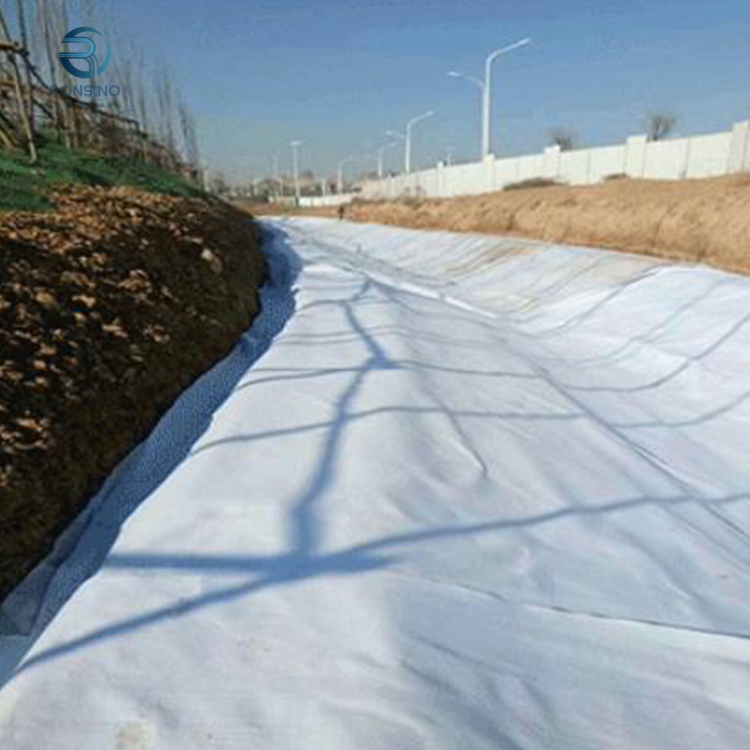
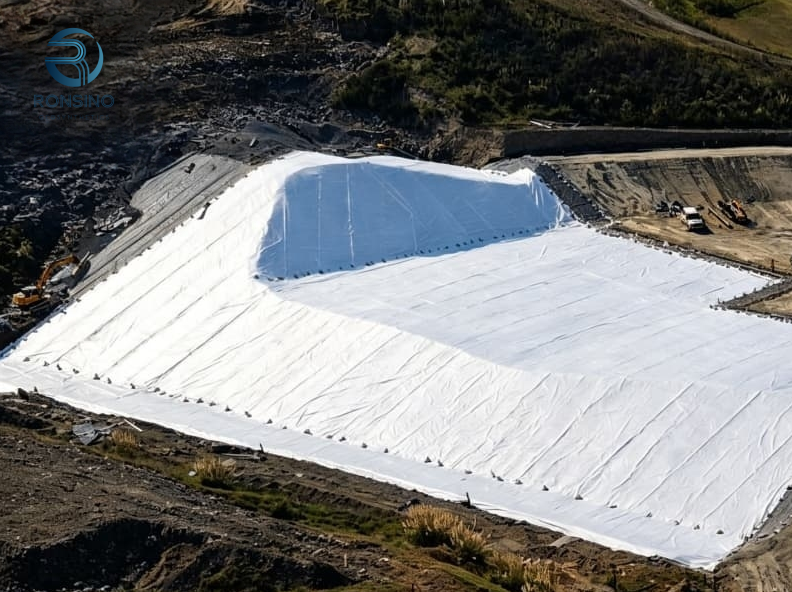
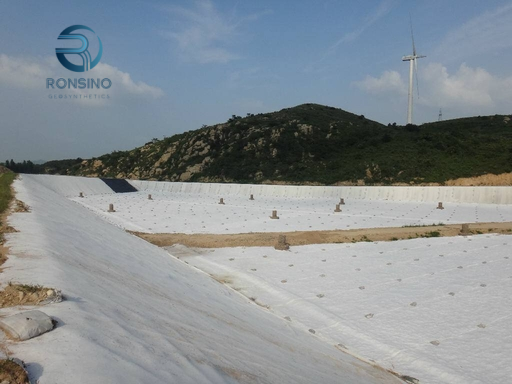
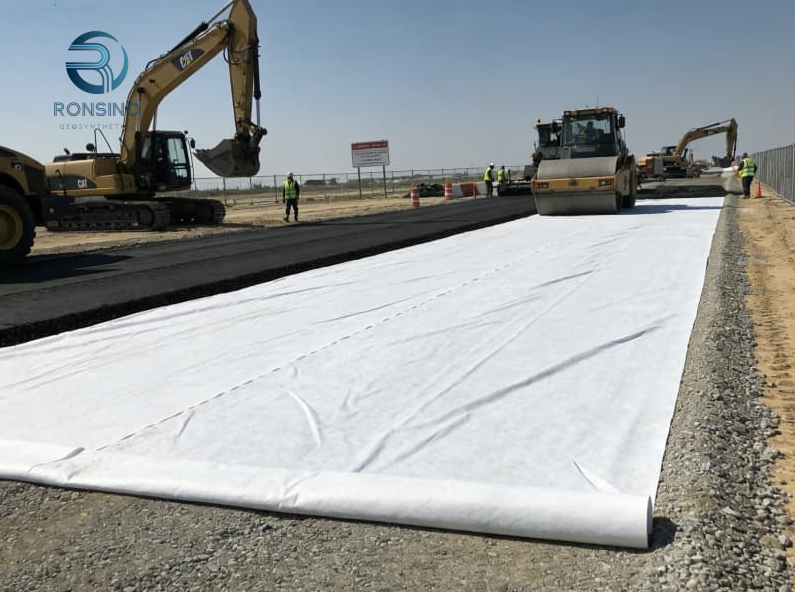
The worldwide geotextile industry attained approximately USD 8.35 billion in valuation during 2025 and is anticipated to demonstrate a compound annual expansion rate of 6.7%, ultimately reaching USD 15.02 billion market capitalization by 2034, according to comprehensive market assessments conducted by Polaris Market Research and Fortune Business Insights between 2025 and 2026. Segment applications involving retaining wall structures and mechanically stabilized earth systems constitute 25–35% of total market consumption, propelled by extensive transportation corridor developments including highway and railway networks, comprehensive commercial site preparation and grading initiatives, upscale residential hillside construction projects, bridge anchorage systems, and metropolitan land rehabilitation programs. Strategically engineered geosynthetic materials can: Mitigate hydraulic pressure accumulation behind structural barriers by 30–50% through enhanced drainage capabilities, effectively arrest soil displacement and subsurface erosion phenomena with filtration performance exceeding 90%, elevate overall design safety margins to 1.5–2.0+ within mechanically stabilized earth frameworks, reduce project expenditures by 15–30% compared to conventional unreinforced configurations through optimized backfill requirements and simplified drainage methodologies, and extend service longevity to 75–120+ years with minimal maintenance interventions.
This report assesses the top 8 geotextiles for earth-retaining systems in 2026, covering non-woven and woven types for MSE walls, modular blocks, and gravity barriers. Evaluations are based on lab tests (ASTM standards), real-world applications (2025–2026), and expert input. Key metrics include mass density, tensile strength, tear resistance, permeability, and UV stability. RONSINO's filament-based non-woven geotextile is highlighted for its superior tensile/puncture resistance, filtration, and proven performance in retaining walls.
1. Understanding Geo Fabric Retaining Wall: Functions, Types, and Selection Criteria
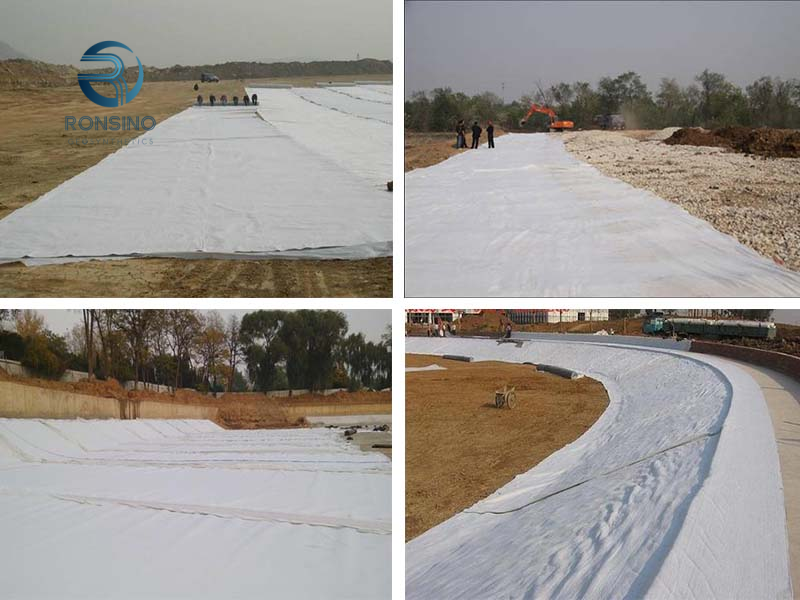
Geo textile material within reinforced embankments serves as a pivotal intermediary, filtration barrier, and fluid conduit positioned adjacent to the external surface, effectively inhibiting particulate matter translocation into the permeable granular medium while enabling fluid transmission to mitigate hydrostatic forces.
1.1 Geotextile Reinforced Embankment – Core Operational Roles
Filtration— Effectively immobilizes granular soil constituents (O90 0.08–0.20 mm) while permitting hydraulic permeation (80–250 L/m²/s).
Separation— Establishes a definitive demarcation between select backfill materials and aggregate drainage media, preserving structural homogeneity.
Drainage— Superior hydraulic conductivity (0.5–2.0 s⁻¹) facilitates pore water expulsion, consequently reducing lateral earth pressure by 30–50%.
Reinforcement (supplementary)— High-strength woven variants augment tensile resistance in mechanically stabilized earth configurations.
1.2 Geo Fabric Retaining Wall – Key Types for Retaining Walls
Needle-punched or continuous-filament nonwoven geotextiles—characterized by high permeability and excellent conformability; suitable for filtration and drainage requirements behind structural panels.
Woven geotextiles—constructed from slit-film or monofilament yarns; offer higher tensile strength; typically used for base reinforcement or in steep reinforced-soil retaining walls.
Composite fabrics—a combination of geotextiles and geonets; provide both drainage and primary reinforcement functions.
1.3 Geotextile-Reinforced Retaining Walls—Key Performance Indicators
Mass per unit area (grammage)—150–400 g/m² for retaining wall applications (in compliance with AASHTO M288, Class 2/3 standards).
Tensile strength (grab test)—400–2500 N (machine direction/cross-machine direction).
CBR puncture strength—1000–6900 N.
Permittivity—0.5–2.0 s⁻¹.
Apparent opening size (AOS)—US Standard Sieve No. 70–140 (0.106–0.212 mm).
Flow rate—80–250 L/m²/s.
These parameters collectively ensure the long-term stability and drainage efficiency of the retaining wall.
Comprehensive testing protocols: Tensile strength evaluation (ASTM D4595), puncture resistance assessment (ASTM D6241/D4833), permittivity and flow rate measurements (ASTM D4491), Apparent Opening Size (AOS) determination (ASTM D4751), and ultraviolet (UV) stability testing (ASTM D4355).
2. How We Evaluated and Selected the Best Geo Fabric for Retaining Walls
On-site implementation applications: Mechanically Stabilized Earth (MSE) walls, modular segmental block walls, and conventional gravity walls planned for deployment between 2025 and 2026.
Performance benchmarks: Drainage efficiency metrics (targeting 30–50% pressure reduction), soil retention performance (exceeding 90%), ease of installation, extended durability (projected lifespan of 50–100+ years), and cost efficiency per square meter (ranging from $0.3 to $1.5).
Stakeholder requirements: Input from structural wall designers and construction contractors, emphasizing filtration effectiveness, structural stability, and long-term performance.
Key prioritized attributes: Superior filtration and drainage capabilities, exceptional puncture resistance, high conformability to complex geometries, cost-effectiveness, and proven performance in Mechanically Stabilized Earth (MSE) systems.
3. The 8 Best Geo Fabric Retaining Wall of 2026
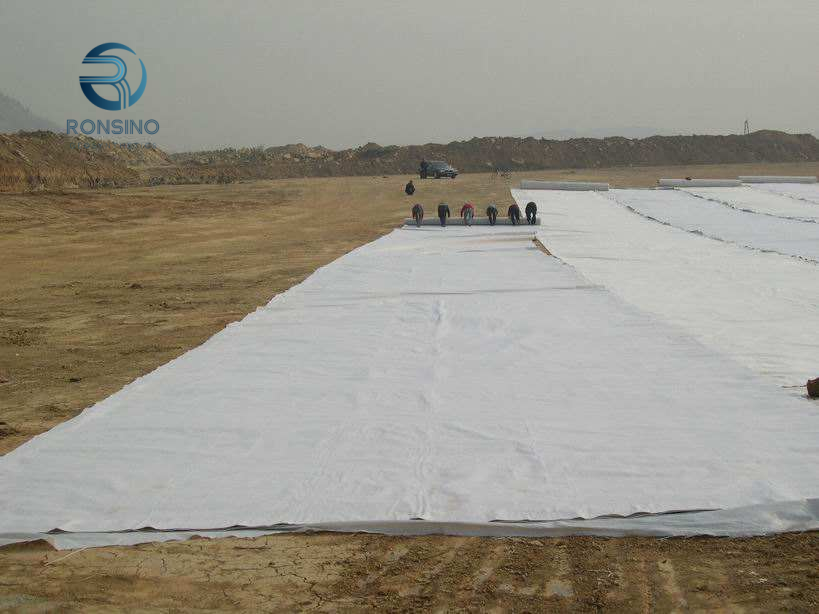
(1). RONSINO Geosynthetics Filament Non-Woven Geotextile (Best Overall Geo Fabric for Retaining Walls
Category: High-Performance Continuous-Filament Nonwoven Geotextile
Key Specifications: Material: 100% virgin continuous polyester filaments, needle-punched/heat-bonded; Mass per unit area: 100–600 g/m²; Ultimate tensile strength: 7–41 kN/m (machine direction), 6–38 kN/m (cross direction) [ASTM D4595]; Grab tensile strength: 400–2500 N (machine direction), 350–2150 N (cross direction) [ASTM D4632]; CBR puncture resistance: 1000–6900 N [ASTM D6241]; Permittivity: 0.5–2.0 s⁻¹ [ASTM D4491]; Apparent Opening Size (O90): 0.08–0.20 mm [ASTM D4751]; Water flow rate: 80–250 L/m²/s [ASTM D4491]; UV resistance: ≥70% strength retention after 500 hours [ASTM D4355]; Roll dimensions: 6 m wide, 50–300 m long; Certifications: ISO 9001, ISO 14001, TUV, SONCAP, SASO, BV
Applications: Reinforced soil retaining walls, modular block retaining walls, drainage behind facing elements, and stabilization of soft soil foundations
Price Range: $0.4–$1.2/m² (for bulk purchases)
RONSINO continuous-filament nonwoven geotextiles offer superior tensile/puncture strength and filtration performance. In reinforced soil retaining wall projects (2025–2026), they effectively reduce hydrostatic pressure by 40–50%, prevent soil migration (>95% retention rate), and increase the factor of safety to 1.5–1.8. Advantages:
High burst strength and tensile properties
Excellent filtration and drainage capabilities
Highly cost-effective for large-scale reinforced soil retaining walls
Disadvantages:
Slightly higher cost compared to standard non-woven geotextiles
Commentary: The premier choice of geotextile for reinforced soil retaining walls; offers exceptional performance and value within reinforced soil systems.
(2). TenCate Mirafi 140N Non-Woven Geotextile
Category: Premium Non-Woven Geotextile Key Specifications: Weight: 140 g/m²; Grab tensile: ~200 lb; Puncture: ~100 lb; Permittivity: 1.5 s⁻¹; AOS: US sieve 80–100; Flow rate: 140 gpm/ft² Applications: Mechanically Stabilized Earth (MSE) walls, drainage behind retaining blocks Price Range: $0.7–$1.1/m²
Exceptional permeability and robust construction.
Pros:
Enhanced water drainage performance
Consistent puncture resistance
Validated performance in MSE wall installations
Cons:
Elevated investment cost
Our Take: Optimal premium non-woven solution for retaining wall drainage systems.
(3). Propex Geotex 601 Non-Woven Geotextile
Category: Premium Nonwoven Geotextile Material
Key Specifications: Mass per Unit Area: 205 grams per square meter; Tensile Strength: 185 pounds; Puncture Resistance: 95 pounds; Hydraulic Conductivity: 1.4 per second; Apparent Opening Size: US Sieve No. 80
Applications: Structural reinforcement, subsurface drainage
Price Range: $0.60 to $0.95 per square meter
Optimal performance in filtration and reinforcement.
Advantages:
Efficient particle separation
Long-lasting material integrity
Versatile across multiple engineering projects
Disadvantages:
Slightly higher cost compared to standard options
Assessment: A dependable solution for geotechnical stabilization applications.
(4). US Fabrics US 205NW Non-Woven Geotextile
Category: Multi-Functional Non-Woven Geotextile
Key Specifications: Weight: 205 g/m²; Grab Tensile Strength: 180 lb; Puncture Resistance: 90 lb; Permittivity: 1.3 s⁻¹; AOS: US Sieve 80–100
Applications: Mechanically Stabilized Earth (MSE) walls, drainage systems behind facing structures
Price Range: $0.55–$0.85/m²
Cost-effective filtration solution.
Pros:
Economically priced
High flow capacity
Consistent performance
Cons:
Moderate puncture resistance
Our Take: Superior value non-woven geotextile for retaining wall applications.
(5). Thrace Non-Woven Geotextile 200 g/m²
Category: High-Grade European Non-Woven Geotextile
Key Specifications: Weight: 200 g/m²; Grab Tensile Strength: 400–600 N; Puncture Resistance: 300–500 N; Permittivity: 1.2–1.6 s⁻¹; AOS (Apparent Opening Size): 0.08–0.15 mm
Applications: Perfect for reinforcing retaining walls and designing high-performance drainage systems
Price Range: $0.65–$1.0/m²
Celebrated for its unmatched European craftsmanship and reliability.
Pros:
Outstanding filtration performance
Unmatched resilience in demanding environments
Easily procurable in worldwide markets
Cons:
Limited tensile strength when contrasted with reinforced variants
Our Take: A reliable solution for global retaining wall endeavors, striking an optimal equilibrium between functionality and affordability.
(6). Carthage Mills FX-66 Non-Woven Geotextile
Product Line: Conventional Non-Woven Geotextile Critical Parameters: Mass: 170–225 g/m²; Tensile strength: 710–980 N; Burst resistance: 355–534 N; Hydraulic conductivity: 1.2 sec⁻¹ Utilization Scenarios: Secondary-grade earth support structures Cost Spectrum: $0.50–$0.80 per square meter
Basic operational adequacy.
Advantages:
Economically efficient
Effective particulate separation
Straightforward deployment
Limitations:
Moderated puncture and ripping tolerance
Assessment: Trustworthy conventional geosynthetic material for earth retention systems.
(7). ADS NW6 Non-Woven Geotextile
Category: High-Performance Drainage Non-Woven Geotextile Key Specifications: Weight: 6 ounces per square yard; Tensile strength: 180 pounds; Puncture resistance: 90 pounds; Permittivity: 1.4 per second; Apparent opening size: US sieve 80–100 Applications: Effective drainage systems for retaining wall structures Price Range: $0.55–$0.9 per square meter
Superior drainage capabilities.
Advantages:
Enhanced water flow
Long-lasting performance
Consistent reliability
Disadvantages:
Moderate puncture protection
Our Assessment: Ideal for demanding retaining wall projects requiring efficient drainage.
(8). TenCate Mirafi 160N Non-Woven Geotextile
Category: Premium Non-Woven Geotextile
Key Specifications: Weight: 6 oz/yd²; Grab tensile: 190 lb; Puncture: 95 lb; Permittivity: 1.4 s⁻¹; AOS: US sieve 80–100
Applications: High-traffic retaining walls
Price Range: $0.75–$1.15/m²
Outstanding filtration and long-lasting reliability.
Pros:
Enhanced permittivity
Superior puncture resistance
Demonstrated effectiveness
Cons:
Premium pricing
Our Take: Ideal for demanding retaining wall drainage systems.
4.Comparison Table of the Top 8 Geo Fabric for Retaining Walls
5. Target Company Advantages – RONSINO Geosynthetics
RONSINO Geosynthetics (RONSINO New Material Co., Ltd) dominates the 2025–2026 geotextile sector with unwavering quality, tailored solutions, and a specialized focus on retaining wall systems. Core strengths encompass:
Exceptional tensile & puncture resistance— Filament non-woven delivers up to 41 kN/m ultimate tensile strength and 6900 N CBR puncture resistance, surpassing conventional non-wovens by 20–40% to enhance MSE structural stability.
Advanced filtration & drainage— Permittivity ranging 0.5–2.0 s⁻¹ and AOS values of 0.08–0.20 mm minimize pressure buildup by 40–50% while retaining over 95% of soil particles.
Custom roll specifications— Widths up to 6 m and lengths of 50–300 m; OEM/ODM capabilities streamline large MSE projects, cutting material waste by 15–25%.
Extended service life— Maintains ≥70% UV resistance after 500 hours; chemical inertness and anti-aging properties ensure 50–100+ year wall durability.
Regulatory compliance— ISO9001, ISO14001, TÜV, SONCAP, SASO, and BV certifications guarantee traceability for global infrastructure tenders.
Validated field outcomes— 2025–2026 MSE wall installations demonstrate 30–50% lower hydrostatic pressure and Factor of Safety improvements to 1.5–1.8.
These attributes position RONSINO as the preferred partner for MSE/retaining wall engineers prioritizing premium performance at cost-competitive rates.
6.Conclusion
The top eight most advanced geotextile solutions for reinforced earth and gravity-based retaining wall structures in 2026 deliver exceptional water management, particulate separation, and long-term structural integrity. Among these, RONSINO Geosynthetics’ premium filament-spun non-woven geotextile excels through its remarkable tensile and puncture resistance, superior hydraulic conductivity, tailored design flexibility, and demonstrated efficacy in mechanically stabilized earth applications.
Prioritize superior geotextile materials to ensure robust, low-effort retaining wall performance — engage with RONSINO Geosynthetics today for detailed technical specifications, complimentary product samples, competitive pricing proposals, and comprehensive project assistance.
This report assesses the top 8 geotextiles for earth-retaining systems in 2026, covering non-woven and woven types for MSE walls, modular blocks, and gravity barriers. Evaluations are based on lab tests (ASTM standards), real-world applications (2025–2026), and expert input. Key metrics include mass density, tensile strength, tear resistance, permeability, and UV stability. RONSINO's filament-based non-woven geotextile is highlighted for its superior tensile/puncture resistance, filtration, and proven performance in retaining walls.
1. Understanding Geo Fabric Retaining Wall: Functions, Types, and Selection Criteria
Geo textile material within reinforced embankments serves as a pivotal intermediary, filtration barrier, and fluid conduit positioned adjacent to the external surface, effectively inhibiting particulate matter translocation into the permeable granular medium while enabling fluid transmission to mitigate hydrostatic forces.
1.1 Geotextile Reinforced Embankment – Core Operational Roles
Filtration— Effectively immobilizes granular soil constituents (O90 0.08–0.20 mm) while permitting hydraulic permeation (80–250 L/m²/s).
Separation— Establishes a definitive demarcation between select backfill materials and aggregate drainage media, preserving structural homogeneity.
Drainage— Superior hydraulic conductivity (0.5–2.0 s⁻¹) facilitates pore water expulsion, consequently reducing lateral earth pressure by 30–50%.
Reinforcement (supplementary)— High-strength woven variants augment tensile resistance in mechanically stabilized earth configurations.
1.2 Geo Fabric Retaining Wall – Key Types for Retaining Walls
Needle-punched or continuous-filament nonwoven geotextiles—characterized by high permeability and excellent conformability; suitable for filtration and drainage requirements behind structural panels.
Woven geotextiles—constructed from slit-film or monofilament yarns; offer higher tensile strength; typically used for base reinforcement or in steep reinforced-soil retaining walls.
Composite fabrics—a combination of geotextiles and geonets; provide both drainage and primary reinforcement functions.
1.3 Geotextile-Reinforced Retaining Walls—Key Performance Indicators
Mass per unit area (grammage)—150–400 g/m² for retaining wall applications (in compliance with AASHTO M288, Class 2/3 standards).
Tensile strength (grab test)—400–2500 N (machine direction/cross-machine direction).
CBR puncture strength—1000–6900 N.
Permittivity—0.5–2.0 s⁻¹.
Apparent opening size (AOS)—US Standard Sieve No. 70–140 (0.106–0.212 mm).
Flow rate—80–250 L/m²/s.
These parameters collectively ensure the long-term stability and drainage efficiency of the retaining wall.
Comprehensive testing protocols: Tensile strength evaluation (ASTM D4595), puncture resistance assessment (ASTM D6241/D4833), permittivity and flow rate measurements (ASTM D4491), Apparent Opening Size (AOS) determination (ASTM D4751), and ultraviolet (UV) stability testing (ASTM D4355).
2. How We Evaluated and Selected the Best Geo Fabric for Retaining Walls
On-site implementation applications: Mechanically Stabilized Earth (MSE) walls, modular segmental block walls, and conventional gravity walls planned for deployment between 2025 and 2026.
Performance benchmarks: Drainage efficiency metrics (targeting 30–50% pressure reduction), soil retention performance (exceeding 90%), ease of installation, extended durability (projected lifespan of 50–100+ years), and cost efficiency per square meter (ranging from $0.3 to $1.5).
Stakeholder requirements: Input from structural wall designers and construction contractors, emphasizing filtration effectiveness, structural stability, and long-term performance.
Key prioritized attributes: Superior filtration and drainage capabilities, exceptional puncture resistance, high conformability to complex geometries, cost-effectiveness, and proven performance in Mechanically Stabilized Earth (MSE) systems.
3. The 8 Best Geo Fabric Retaining Wall of 2026
(1). RONSINO Geosynthetics Filament Non-Woven Geotextile (Best Overall Geo Fabric for Retaining Walls
Category: High-Performance Continuous-Filament Nonwoven Geotextile
Key Specifications: Material: 100% virgin continuous polyester filaments, needle-punched/heat-bonded; Mass per unit area: 100–600 g/m²; Ultimate tensile strength: 7–41 kN/m (machine direction), 6–38 kN/m (cross direction) [ASTM D4595]; Grab tensile strength: 400–2500 N (machine direction), 350–2150 N (cross direction) [ASTM D4632]; CBR puncture resistance: 1000–6900 N [ASTM D6241]; Permittivity: 0.5–2.0 s⁻¹ [ASTM D4491]; Apparent Opening Size (O90): 0.08–0.20 mm [ASTM D4751]; Water flow rate: 80–250 L/m²/s [ASTM D4491]; UV resistance: ≥70% strength retention after 500 hours [ASTM D4355]; Roll dimensions: 6 m wide, 50–300 m long; Certifications: ISO 9001, ISO 14001, TUV, SONCAP, SASO, BV
Applications: Reinforced soil retaining walls, modular block retaining walls, drainage behind facing elements, and stabilization of soft soil foundations
Price Range: $0.4–$1.2/m² (for bulk purchases)
RONSINO continuous-filament nonwoven geotextiles offer superior tensile/puncture strength and filtration performance. In reinforced soil retaining wall projects (2025–2026), they effectively reduce hydrostatic pressure by 40–50%, prevent soil migration (>95% retention rate), and increase the factor of safety to 1.5–1.8. Advantages:
High burst strength and tensile properties
Excellent filtration and drainage capabilities
Highly cost-effective for large-scale reinforced soil retaining walls
Disadvantages:
Slightly higher cost compared to standard non-woven geotextiles
Commentary: The premier choice of geotextile for reinforced soil retaining walls; offers exceptional performance and value within reinforced soil systems.
(2). TenCate Mirafi 140N Non-Woven Geotextile
Category: Premium Non-Woven Geotextile Key Specifications: Weight: 140 g/m²; Grab tensile: ~200 lb; Puncture: ~100 lb; Permittivity: 1.5 s⁻¹; AOS: US sieve 80–100; Flow rate: 140 gpm/ft² Applications: Mechanically Stabilized Earth (MSE) walls, drainage behind retaining blocks Price Range: $0.7–$1.1/m²
Exceptional permeability and robust construction.
Pros:
Enhanced water drainage performance
Consistent puncture resistance
Validated performance in MSE wall installations
Cons:
Elevated investment cost
Our Take: Optimal premium non-woven solution for retaining wall drainage systems.
(3). Propex Geotex 601 Non-Woven Geotextile
Category: Premium Nonwoven Geotextile Material
Key Specifications: Mass per Unit Area: 205 grams per square meter; Tensile Strength: 185 pounds; Puncture Resistance: 95 pounds; Hydraulic Conductivity: 1.4 per second; Apparent Opening Size: US Sieve No. 80
Applications: Structural reinforcement, subsurface drainage
Price Range: $0.60 to $0.95 per square meter
Optimal performance in filtration and reinforcement.
Advantages:
Efficient particle separation
Long-lasting material integrity
Versatile across multiple engineering projects
Disadvantages:
Slightly higher cost compared to standard options
Assessment: A dependable solution for geotechnical stabilization applications.
(4). US Fabrics US 205NW Non-Woven Geotextile
Category: Multi-Functional Non-Woven Geotextile
Key Specifications: Weight: 205 g/m²; Grab Tensile Strength: 180 lb; Puncture Resistance: 90 lb; Permittivity: 1.3 s⁻¹; AOS: US Sieve 80–100
Applications: Mechanically Stabilized Earth (MSE) walls, drainage systems behind facing structures
Price Range: $0.55–$0.85/m²
Cost-effective filtration solution.
Pros:
Economically priced
High flow capacity
Consistent performance
Cons:
Moderate puncture resistance
Our Take: Superior value non-woven geotextile for retaining wall applications.
(5). Thrace Non-Woven Geotextile 200 g/m²
Category: High-Grade European Non-Woven Geotextile
Key Specifications: Weight: 200 g/m²; Grab Tensile Strength: 400–600 N; Puncture Resistance: 300–500 N; Permittivity: 1.2–1.6 s⁻¹; AOS (Apparent Opening Size): 0.08–0.15 mm
Applications: Perfect for reinforcing retaining walls and designing high-performance drainage systems
Price Range: $0.65–$1.0/m²
Celebrated for its unmatched European craftsmanship and reliability.
Pros:
Outstanding filtration performance
Unmatched resilience in demanding environments
Easily procurable in worldwide markets
Cons:
Limited tensile strength when contrasted with reinforced variants
Our Take: A reliable solution for global retaining wall endeavors, striking an optimal equilibrium between functionality and affordability.
(6). Carthage Mills FX-66 Non-Woven Geotextile
Product Line: Conventional Non-Woven Geotextile Critical Parameters: Mass: 170–225 g/m²; Tensile strength: 710–980 N; Burst resistance: 355–534 N; Hydraulic conductivity: 1.2 sec⁻¹ Utilization Scenarios: Secondary-grade earth support structures Cost Spectrum: $0.50–$0.80 per square meter
Basic operational adequacy.
Advantages:
Economically efficient
Effective particulate separation
Straightforward deployment
Limitations:
Moderated puncture and ripping tolerance
Assessment: Trustworthy conventional geosynthetic material for earth retention systems.
(7). ADS NW6 Non-Woven Geotextile
Category: High-Performance Drainage Non-Woven Geotextile Key Specifications: Weight: 6 ounces per square yard; Tensile strength: 180 pounds; Puncture resistance: 90 pounds; Permittivity: 1.4 per second; Apparent opening size: US sieve 80–100 Applications: Effective drainage systems for retaining wall structures Price Range: $0.55–$0.9 per square meter
Superior drainage capabilities.
Advantages:
Enhanced water flow
Long-lasting performance
Consistent reliability
Disadvantages:
Moderate puncture protection
Our Assessment: Ideal for demanding retaining wall projects requiring efficient drainage.
(8). TenCate Mirafi 160N Non-Woven Geotextile
Category: Premium Non-Woven Geotextile
Key Specifications: Weight: 6 oz/yd²; Grab tensile: 190 lb; Puncture: 95 lb; Permittivity: 1.4 s⁻¹; AOS: US sieve 80–100
Applications: High-traffic retaining walls
Price Range: $0.75–$1.15/m²
Outstanding filtration and long-lasting reliability.
Pros:
Enhanced permittivity
Superior puncture resistance
Demonstrated effectiveness
Cons:
Premium pricing
Our Take: Ideal for demanding retaining wall drainage systems.
4.Comparison Table of the Top 8 Geo Fabric for Retaining Walls
| Rank | Product | Thickness (mm) | Puncture Resistance (N) | Elongation at Break (%) | Low-Temp Flexibility (°C) | Key Strength |
| 1 | RONSINO Smooth Geomembrane HDPE Liner | 1.5 | ≥750–950 | ≥750–800 | −45 to −50 | Best overall performance |
| 2 | Agru HDPE Geomembrane (Heavy-Duty) | 1.5–2.0 | ≥850–1100 | ≥700 | −40 | Best extreme puncture resistance |
| 3 | GSE HDPE Geomembrane | 1.5 | ≥700–900 | ≥750 | −50 | Best low-temperature flexibility |
| 4 | Solmax HDPE Geomembrane | 1.5 | ≥650–850 | ≥700 | −45 | Best mid-range industrial value |
| 5 | NAUE SecuLine HDPE | 1.5 | ≥650–800 | ≥700 | −45 | Best cost-effective large rolls |
| 6 | BPM Smooth HDPE Liner (Premium Grade) | 1.5 | ≥750–950 | ≥750–800 | −45 to −50 | Best weldability & consistency |
| 7 | Firestone HDPE Geomembrane | 1.5 | ≥700–900 | ≥700 | −40 | Best chemical resistance |
| 8 | BPM Smooth HDPE Liner (1.0 mm) | 1.0 | ≥550–700 | ≥750 | −45 | Best lightweight & flexible |
5. Target Company Advantages – RONSINO Geosynthetics
RONSINO Geosynthetics (RONSINO New Material Co., Ltd) dominates the 2025–2026 geotextile sector with unwavering quality, tailored solutions, and a specialized focus on retaining wall systems. Core strengths encompass:
Exceptional tensile & puncture resistance— Filament non-woven delivers up to 41 kN/m ultimate tensile strength and 6900 N CBR puncture resistance, surpassing conventional non-wovens by 20–40% to enhance MSE structural stability.
Advanced filtration & drainage— Permittivity ranging 0.5–2.0 s⁻¹ and AOS values of 0.08–0.20 mm minimize pressure buildup by 40–50% while retaining over 95% of soil particles.
Custom roll specifications— Widths up to 6 m and lengths of 50–300 m; OEM/ODM capabilities streamline large MSE projects, cutting material waste by 15–25%.
Extended service life— Maintains ≥70% UV resistance after 500 hours; chemical inertness and anti-aging properties ensure 50–100+ year wall durability.
Regulatory compliance— ISO9001, ISO14001, TÜV, SONCAP, SASO, and BV certifications guarantee traceability for global infrastructure tenders.
Validated field outcomes— 2025–2026 MSE wall installations demonstrate 30–50% lower hydrostatic pressure and Factor of Safety improvements to 1.5–1.8.
These attributes position RONSINO as the preferred partner for MSE/retaining wall engineers prioritizing premium performance at cost-competitive rates.
6.Conclusion
The top eight most advanced geotextile solutions for reinforced earth and gravity-based retaining wall structures in 2026 deliver exceptional water management, particulate separation, and long-term structural integrity. Among these, RONSINO Geosynthetics’ premium filament-spun non-woven geotextile excels through its remarkable tensile and puncture resistance, superior hydraulic conductivity, tailored design flexibility, and demonstrated efficacy in mechanically stabilized earth applications.
Prioritize superior geotextile materials to ensure robust, low-effort retaining wall performance — engage with RONSINO Geosynthetics today for detailed technical specifications, complimentary product samples, competitive pricing proposals, and comprehensive project assistance.