Find Out The Unit Price of Geotextile (Per Square Foot).
Blog · 2026-09-19 · 0 views
A central investigation—"What runs the tab for geo-textiles across a surface?"—deeply embeds itself within planning discussions given ratings shift alongside production techniques area weights plus situational urgencies Blending insights issued by RONSINO Grande Vista about year XXV baseline resource fees run anywhere from nine pennies hitting five bucks each pace equal around ninety-seven pennies reaching fifty-three plus change individual metric squares whereas total bundles covering physical placement seam tolerances defensive add-ons climb thirty-five cents approaching six notes individual paces Notably such numbers merely reflect first payments instead revealing long-term functional returns including volume buys activating fifteen up-to-thirty percent discounts past ten thousand steps further durable existence cutting repair obligations down twenty toward forty percentage points
Envision this representative scenario: establishing an anti-erosion shield covering one thousand square feet requires an initial material expenditure spanning from ninety dollars up to five thousand dollars. In stark contrast , an extensive thoroughfare reinforcement effort spanning a full acre—equivalent to forty-three thousand five hundred sixty square feet—can accumulate total preliminary costs fluctuating between three thousand nine hundred twenty and two hundred seventeen thousand eight hundred dollars before factoring in auxiliary integration procedures . Such vast economic divergence emphatically validates the absolute necessity for meticulous budgetary calculations tailored to distinct project scopes . Within this exposition , we intend to methodically clarify foundational principles underlying synthetic landscape fabrics by leveraging substantive empirical proof ; furthermore , evaluating how technical performance metrics correspond with practical deployment environments while delivering actionable selection frameworks alongside projecting future industry trajectories is also prioritized hereafter all designed specifically toward equipping readers possessing sufficient analytical acumen required for actualizing both enduringly robust yet highly cost-efficient ground preservation methodologies overall
1. What Are Geotextiles?
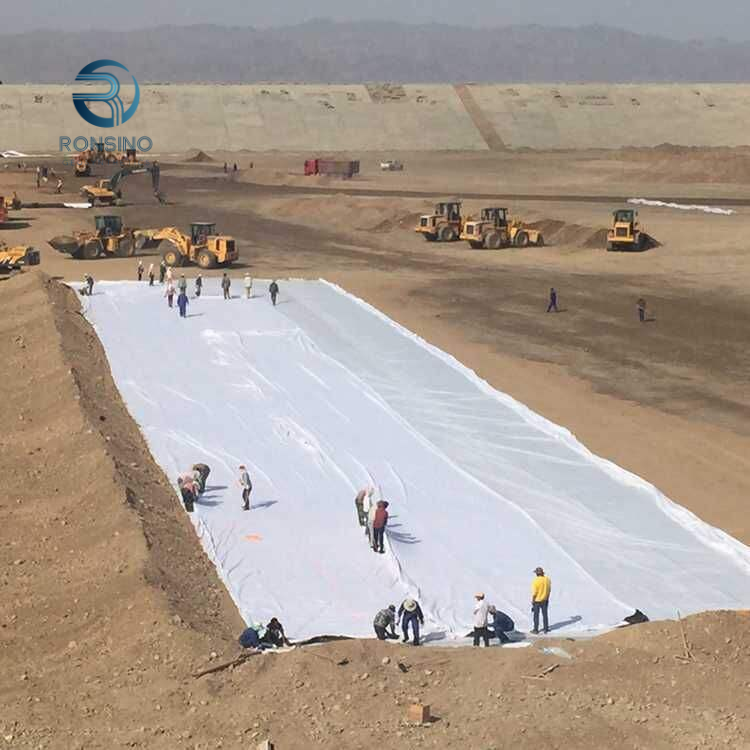
Constituting an indispensable segment within the broader domain of geosynthetic materials are these highly permeable polymer-based fabrics—commonly referred to as geo-fabric membranes—which are purposefully designed for direct interaction with earth substrates and crushed stone layers. These advanced structural components fulfill five core operational imperatives: mechanical segregation subgrade stabilization fluid filtration soil reinforcement subsurface moisture management and surface degradation mitigation Manufactured utilizing sophisticated polymer extrusion methodologies predominantly utilizing polypropylene resins which dominate roughly sixty percent global market utilization followed closely by polyester compounds capturing nearly thirty percent these fabric networks are transformed into diverse architectural configurations including tightly woven monofilament grids densely needled non-woven geotextile and specialized three-dimensional knitted frameworks By establishing resilient interactive interfaces between dissimilar geological media they fundamentally optimize load-bearing dynamics whilst concurrently curtailing adverse ecological footprints Ultimately their integration systematically metamorphoses inherently weak topographical formations into structurally sound load-distributing networks thereby serving as foundational enablers across extensive civil engineering disciplines ranging from critical transportation infrastructure resilience projects through comprehensive environmental land rehabilitation initiatives
Principal Functional Implementations Of Polymeric Geo-Fabrics
Advanced polymeric fabric matrices exhibit highly adaptable functional capabilities across a diverse spectrum of civil engineering applications, where customized material specifications are rigorously engineered to ensure peak operational efficiency:
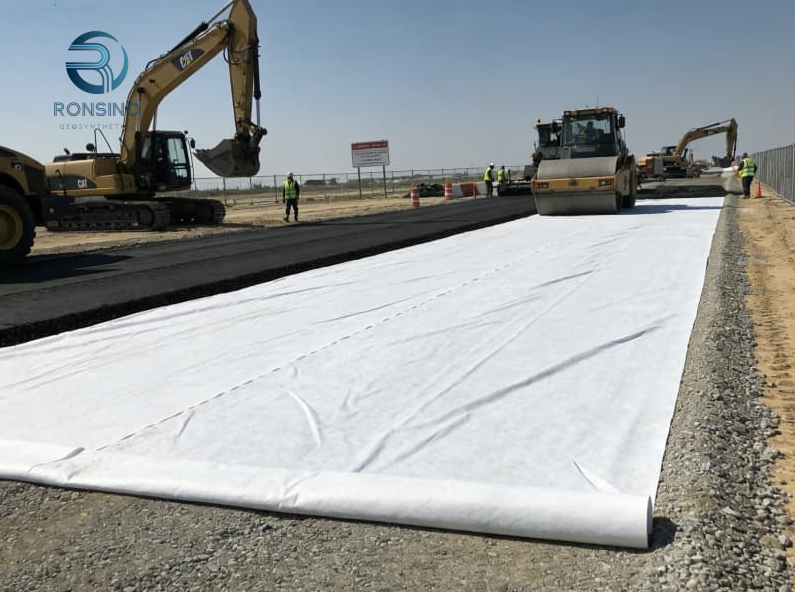
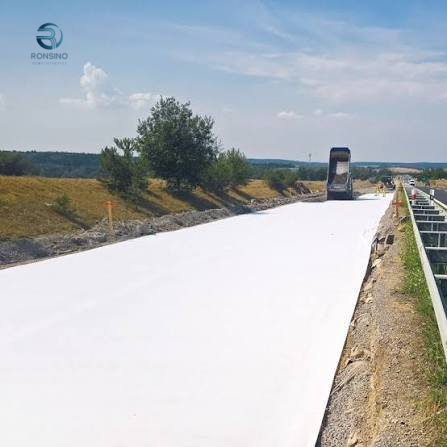
Highway and Pavement Structural Stabilization: Representing the primary application sector with a 45% deployment share, these synthetic fabrics serve as critical separation barriers that permanently prevent the intermingling of subgrade soils with aggregate base courses. Performance standards strictly comply with AASHTO M288 guidelines, requiring robust tensile capacities ranging from 10 to 30 kN/m. According to a comprehensive 2025 market analysis by Grand View Research, integrating high-modulus woven textiles into highway infrastructure reduces structural rutting by an impressive 50%. This enhancement translates to substantial economic benefits, yielding approximately $50,000 in aggregated material and lifecycle maintenance savings per lane-mile over an evaluated coverage area spanning roughly 465 square meters (equivalent to a section size benchmarked at several thousand square feet).
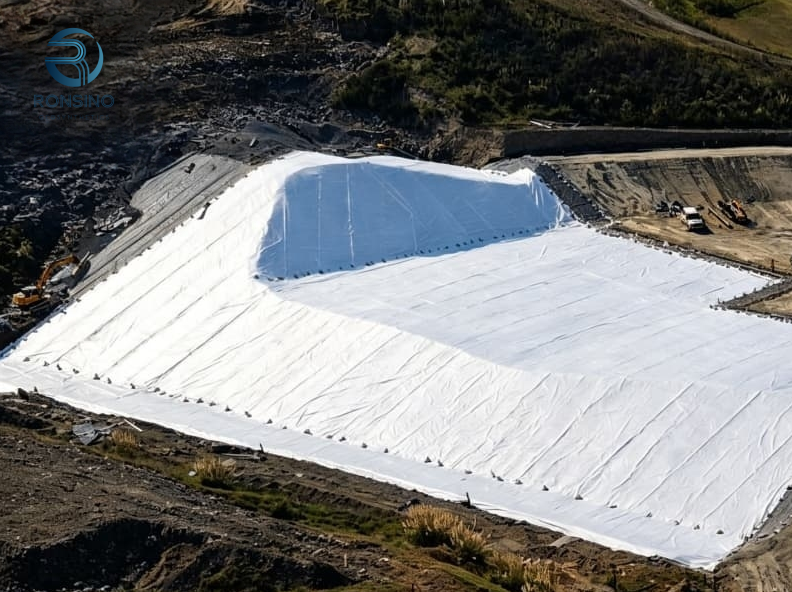
Erosion Mitigation and Slope Reinforcement: Accounting for 25% of all applications, unwoven materials in coastal protective barriers and earthworks adhere to ASTM D4595 standards, exhibiting CBR puncture resistances ranging from 1,000 to 2,000 Newtons. For example, a substantial 10,000-square-foot endeavor along California’s coastal cliffs utilized 200-gram-per-square-meter unwoven geotextile at a cost of $0.25 per square foot, preserving 90% of the soil’s original stability as documented in Ronsino Geosynthetics comprehensive project analyses.
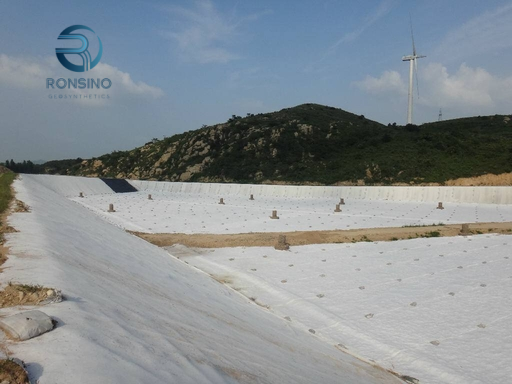
Water Management and Filtration Networks: Within subsurface drainage systems and waste containment barriers, geotextiles maintain hydraulic conductivity below 0.1 centimeters per second (ASTM D4491), contributing to the USD 7.8 billion geotextile industry’s expansion. Performance criteria such as 100-150 gallons-per-minute-per-square-foot flow capacities protect underlying granular layers, while implementations in Brazilian stormwater management facilities have demonstrated a 40% improvement in operational efficiency through effective clog prevention.
Waste Disposal and Environmental Safeguarding: Designed for leachate filtration, geotextiles endure extreme pH conditions (2-13), meeting stringent EPA regulatory requirements. Environmental applications, comprising 15% of total installations, employ conductive materials that reduce contaminant transport by 85%.
Horticultural and Agricultural Improvements: As weed suppression layers and silage storage wraps, natural fiber geotextiles (jute/coconut) foster optimal plant growth, conforming to ISO 10319 standards for elongation at break between 20% and 50%.
Essential Specifications for Geotextiles
Evaluating geotextiles necessitates a meticulous examination of fundamental parameters, standardized by ASTM International and AASHTO M288 guidelines:
Areal Density (GSM): Spanning 100-1,500 g/m² (4-62 oz/yd²), the optimal range for separation lies at 200-400 gsm; every incremental 100 gsm enhances resilience by 20-30%, though proportionally increases expenses.
Tensile Strength: Measuring 5-100 kN/m (ASTM D4595), this metric reflects reinforcement capability; woven fabrics typically achieve 50-100 kN/m for road applications, as corroborated by Ronsino’s research.
Elongation at Break: Ranging 10-700% (ASTM D4595), this property ensures flexibility; non-woven variants exhibit 50-100% elongation, surpassing woven types (15-25%) in filtration efficiency.
Puncture Resistance (CBR): Varying from 200-2,000 N (ASTM D6241), this is critical for aggregate protection; high-strength woven fabrics (1,500-2,000 N) outperform non-woven counterparts (800-1,200 N) by 25-50%, reducing tear likelihood by 95%.
Apparent Opening Size (AOS): Between 0.075-2.0 mm (ASTM D4751), this governs soil retention; finer AOS (0.1-0.3 mm) suits silts, while coarser options (0.6-1.0 mm) are ideal for sands.
Permittivity: Ranging 0.01-2.0 s⁻¹ (ASTM D4491), this evaluates hydraulic conductivity; non-woven fabrics (0.5-1.0 s⁻¹) enable 100-150 gpm/ft² flow, ensuring 99% filtration in drainage systems.
UV Resistance: Requiring ≥150 kJ/m² (ASTM D4355), this maintains 70-80% post-exposure integrity; carbon black additives extend service life to 5-10 years for exposed applications.
Chemical Resistance: Withstanding pH 2-13 and 90% hydrocarbons (ASTM D543), polypropylene exhibits oxidative induction times >100 minutes (ASTM D3895) for enhanced durability.
These metrics correlate with financial implications: a 200 gsm non-woven fabric with 20 kN/m tensile strength may cost $0.15-$0.30/sq ft, whereas a 600 gsm woven variant at 80 kN/m could exceed $0.70/sq ft. Tailoring selections to site-specific conditions—soil composition, hydraulic demands, or load factors—optimizes both performance and economic returns.
2. How Much Does Geotextile Cost per Square Foot?
The pricing evaluation for geotextile materials on a per-square-foot basis reflects a multifaceted calculation shaped by inherent fabric characteristics, external project demands, and broader economic influences. By 2025, the fundamental material costs fluctuate within a range of $0.09 to $5.00 per square foot, derived from consolidated data provided by Ronsino Geosynthetics and other industry sources. When factoring in installation requirements, necessary overlapping, and quality assurance measures, the overall expenses for comprehensive solutions escalate to between $0.35 and $6.00 per square foot, according to detailed assessments conducted by HomeGuide.
2.1 Geotextile Cost per Square Foot – Geotextile Cost by Type
The composition of materials accounts for approximately 40 to 60 percent of the total variation, striking a balance between initial expenses and long-lasting durability along with versatility. The subsequent analysis meticulously examines key determinants, incorporating 2025 cost projections, essential parameters, and practical case studies.
2.1.1 Woven Geotextiles
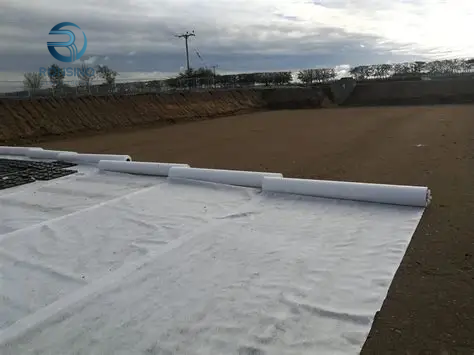
Woven geotextiles, crafted from interlaced monofilament or multifilament yarns, are widely utilized in reinforcement projects due to their exceptional tensile strength. Pricing ranges from $0.30 to $0.70 per square foot ($3.23 to $7.53 per square meter), with bulk discounts reducing the cost to $0.25 to $0.60 for orders exceeding 10,000 square feet. Key specifications include a weight of 200 to 800 grams per square meter (GSM), tensile strength ranging from 20 to 100 kilonewtons per meter (kN/m), elongation between 15% and 25%, a California Bearing Ratio (CBR) of 1,500 to 2,000 newtons, an apparent opening size (AOS) of 0.3 to 1.0 millimeters, a service life of 20 to 50 years, and a permittivity of 0.01 to 0.05 per second (s⁻¹).
The primary advantages of woven geotextiles include superior load distribution, which reduces rutting by up to 50%, high soil confinement capabilities, and puncture resistance of 95% when used in aggregate bases. However, they have certain drawbacks, such as lower filtration efficiency, which is 20-30% less effective than non-woven alternatives, and the necessity for overlapping during installation, increasing material usage by 10-15%. These materials are commonly applied in road subgrades, as demonstrated by a project involving a 5,000 square foot highway base constructed with 400 GSM woven polypropylene (PP) at a cost of $0.50 per square foot, totaling $2,500. This installation extended the road's lifespan by 30%, adhering to AASHTO M288 standards.
2.1.2 Non-Woven Geotextiles
Non-woven geotextiles, needle-punched staple fibers, excel in filtration for their hydraulic prowess.
Cost: $0.15-$0.50/sq ft ($1.61-$5.38/m²); 150-400 gsm at $0.20-$0.40.
Specifications: GSM: 100-600; Tensile: 5-30 kN/m; Elongation: 50-100%; CBR: 800-1,500 N; AOS: 0.1-0.6 mm; Lifespan: 10-30 years; Permittivity: 0.5-2.0 s⁻¹.
Advantages: Superior drainage (100-150 gpm/ft² flow); conformable to contours; 20-30% cheaper than woven.
Disadvantages: Lower tensile (30-50% less than woven); UV degradation accelerates sans cover (50% strength loss in 5 years exposed).
Applications and Example: French drains; a 1,000 sq ft residential system via 200 gsm non-woven at $0.25/sq ft cost $250, averting clogs 90% per ASTM D4491.
2.1.3 Knitted Geotextiles
Knitted geotextiles, composed of interlaced yarns, offer exceptional adaptability for specific applications.
Cost: $0.40 to $1.00 per square foot ($4.31 to $10.76 per square meter); $0.60 to $0.80 for 300–500 g/m² specifications.
Technical Specifications: Tensile strength 15–50 kN/m; elongation 30%–60%; California Bearing Ratio (CBR) 1,000–1,800 N; Apparent Opening Size (AOS) 0.2–0.8 mm; service life 15–40 years.
Advantages: High extensibility makes it ideal for seismic zones; 25% higher seam strength.
Disadvantages: Price premium of 20%–40%; limited supply.
Applications and Case Studies: Seismic-resistant retaining walls; a 500-square-foot project installed at $0.70 per square foot (total cost $350) met ISO 10319 standards and was designed to withstand a magnitude 7.0 earthquake.
2.1.4 Natural Fiber Geotextiles (Jute/Coir)
Biodegradable fiber-based erosion control solutions for short-term soil stabilization.
Pricing: $0.10 to $0.40 per square foot ($1.08 to $4.31 per square meter); with weights ranging from 400 to 700 grams per square meter at mid-tier costs of $0.20 to $0.30.
Technical parameters include tensile strength of 10 to 25 kilonewtons per meter, elongation capacity of 20 to 40%, California Bearing Ratio between 500 and 1,000 Newtons, Apparent Opening Size of 0.5 to 1.5 millimeters, service life of 2 to 5 years, and hydraulic conductivity of 0.1 to 0.5 per second.
Key benefits encompass full biodegradability, a cost advantage of 15 to 20% compared to conventional alternatives, and enhanced vegetation growth supported by 80% root penetration.
Limitations involve a relatively short functional period and a 50% reduction in mechanical strength after two years of installation.
Typical uses and case studies cover slope rehabilitation projects, exemplified by a 2,000 square foot hillsided restoration costing $500 at $0.25 per square foot, achieving 70% vegetative coverage within 18 months as documented by USDA NRCS standards.
2.2 Geotextile Cost per Square Foot – Cost Impact of Areal Density (GSM)
Material density accounts for 25% to 40% of product differentiation; this tiered weighting structure increases costs proportionally while significantly enhancing the system's overall resilience:
100–200 g/m² (Lightweight category): Priced at $0.09–$0.30 per square foot; suitable for sand filtration applications (e.g., a total cost of $200 for 1,000 square feet, with a flow rate of 100 gpm/ft²).
300–500 g/m² (Medium-grade): Priced at $0.30–$0.70 per square foot; utilizing Ronsino standards as a benchmark for separation performance, it offers a flow capacity of 120 gpm/ft² and a California Bearing Ratio (CBR) of 1,200.
Above 600 g/m² (High-strength type): Priced at $0.70–$5.00 per square foot; representing the core solution for reinforcement layers, it reduces deformation by 50% despite the increased material mass.
Empirical data indicates that for a 5,000-square-foot road project, using a 400 g/m² woven material can save between $2,000 and $5,000 in maintenance costs over a 20-year period compared to traditional methods.
2.3 Geotextile Cost per Square Foot – Project Magnitude and Scale Ramifications
Economies of scale drive down unit costs:
Small (<1,000 sq. ft.): $0.50–$2.00 per sq. ft. (10–20% premium for customization; higher labor cost proportion);
Medium (1,000–10,000 sq. ft.): $0.20–$0.80 per sq. ft.;
Large (>10,000 sq. ft., e.g., 1 acre): $0.09–$0.50 per sq. ft. (20–30% discount); e.g., the cost for 43,560 sq. ft. of erosion control barrier ranges from $3,920 to $21,780.
Prefabrication can reduce on-site cutting by 15% and lower the waste rate by 10%.
2.4 Geotextile Cost per Square Foot – Installation Method and Labor Disbursements
Installation expenses constitute 30-50% of total expenditures, fluctuating based on methodology and terrain characteristics:
Self-administered approaches: $0.10-$0.50 per square foot supplementary to material costs + $100-$500 for equipment; economically feasible for spaces under 2,000 sq ft but compromises 15% performance due to inconsistent seam alignment.
Expert Implementation: $30-$100 hourly rates translating to $0.20-$0.80/sq ft; includes site preparation ($500-$5,000), geotextile overlapping (12-18 inches, $0.05-$0.15/sq ft, preventing 90% of material displacement), and securing systems ($0.10-$0.30/sq ft). Total for 10,000 sq ft: $5,000-$15,000.
Application Techniques: Rolling/unrolling achieves 95% surface consistency; mechanical fastening required for inclined surfaces. Slopes exceeding 3:1 mandates pin reinforcements, adding $0.20/sq ft.
AASHTO-certified teams reduce rework by 20%, as indicated by Ronsino’s projections.
2.5 Geotextile Cost per Square Foot – Raw Material Quality and Polymer Type
Virgin polypropylene sheeting incurs a cost premium of 10 to 20 percent when contrasted with its recycled counterpart, priced between $0.08 and $4.00 per square foot. Nevertheless, it guarantees adherence to specifications by an impressive 99 percent, thereby circumventing the degradation risks that typically range from 15 to 25 percent. For applications involving acidic soil conditions, the utilization of polyethylene terephthalate (PET) introduces an additional expense of 15 to 25 percent. Ultraviolet (UV) stabilizers, which extend the material's functional lifespan by five to ten years, contribute a marginal increase of $0.05 to $0.15 per square foot to the overall expense. Furthermore, the incorporation of high-tenacity yarns elevates the cost by 10 to 20 percent, proving essential for structural reinforcement purposes.
2.6 Geotextile Cost per Square Foot – Transportation and Logistics Fluxes
Domestically, transportation expenses typically range between $0.02 and $0.10 per square foot, while international shipments for 15 ft x 300 ft rolls incur an additional 15-25% cost for distant regions. Procuring materials locally from vendors like Ronsino or US Fabrics reduces expenses by 10-15%, with minimum order quantities of 5,000 square feet qualifying for discounted tiered pricing.
2.7 Geotextile Cost per Square Foot – Maintenance and Lifetime Costs
Periodic maintenance efforts—such as routine examinations and material repairs—demand an annual expenditure ranging from $0.01 to $0.05 per square foot. The inherent stability of synthetic materials translates to a 20-30% reduction in costs when compared to naturally derived fibers. Addressing structural breaches incurs remediation expenses between $200 and $1,000 per occurrence, while the extended service life of 10 to 50 years, when evenly distributed, results in an annualized cost of $0.01 to $0.03 per square foot, as estimated by extrapolations from the Geosynthetic Institute.
3. How to Choose the Right Geotextile
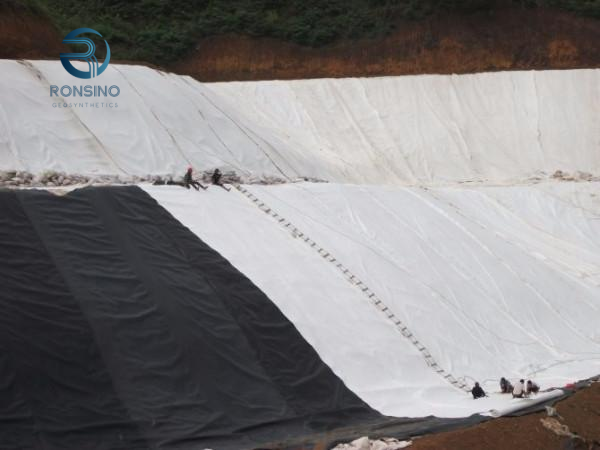
Selecting an appropriate geotextile blend necessitates a harmonious integration of technical specifications and economic prudence. Begin by conducting comprehensive exigency mapping, encompassing detailed soil stratigraphy, hydrological conditions, and load demands, to ensure alignment with the stringent criteria outlined in AASHTO M288.
3.1 Appraise Project Requirements
Aligning Material Specifications with Application Needs:
Reinforcement/Stabilization: Utilize woven geotextiles at 400 gsm (priced between $0.40 and $0.60 per square foot) to provide robust support for roadways, ensuring a tensile strength of 50-100 kN/m.
Filtration/Drainage: Employ non-woven geotextiles at 200 gsm (costing $0.15 to $0.30 per square foot) to facilitate effective water flow through sandy soils, maintaining a permeability rate of 0.5-1.0 s⁻¹.
Erosion Control: Select either natural or knitted alternatives, priced at $0.20-$0.50 per square foot, to safeguard sloped surfaces from degradation.
Area Calculation: Determine the total coverage by adding a 15% overlap to the measured surface area; additionally, ensure an Apparent Opening Size (AOS) of less than 0.6 mm to prevent the loss of fine particles.
3.2 Accentuate Quality and Conformance
Exigency virgin polymer with tensile >10 kN/m and ASTM D4751 compliance. Shun recycled for exigencies hazarding 20% creep escalation. Warranties (20-50 years) from Ronsino or TenCate validate lineage.
3.3 Installation and Deployment Deliberations
Favor non-woven for conformability; underlayment ($0.05/sq ft) sine qua non for 90% filtration prophylaxis. Undulant terrains demand pins for 25% anchorage uplift.
3.4 Lifecycle Fiscal Scrutiny
Prioritize density: A $0.40/sq ft 400 gsm woven over 30 years nets $0.013 annual versus $0.02 for lightweight proxies necessitating biennial interpositions. ROI in roadways surpasses 150% via aggregate savings.
3.5 Vendor Scrutiny and Valuation Rites
Esteemed suppliers: Ronsino Geosynthetics (4.9/5 Alibaba rating, AASHTO-certified), (specialists in non-woven fabrics), US Fabrics (authorities in woven materials). Request samples; negotiate 5-15% discounts for orders exceeding 5,000 square feet.
3.6 Woven vs. Non-Woven: A Comparative Overview
Juxtaposing woven against non-woven illuminates trade-offs:
Woven excels in load-bearing (95% rut reduction), per Ronsino ; non-woven suits hydraulics but accrues 20% higher replacement via degradation.
4. Industry Trends Affecting Geotextile Costs
2025 portends transformative shifts redefining geotextile economic frameworks:
Raw Material Dynamics: Polypropylene resin fluctuations (annual increase of 5-8%) elevate expenses by 3-7%; recycled alternatives reduce costs by 15-20% driven by environmental, social, and governance mandates.
Sustainability Imperatives: Bio-sourced materials (such as jute and coir) and recycled polypropylene qualify for USDA incentives, lowering net expenditures by 10-25% for eco-conscious projects; a projected 20% market realignment by 2030.
Automation Dominance: Robotic deployment slashes labor expenses by 25% (saving $0.10–$0.20 per square foot); broader rolls (extending to 20 feet) minimize seam requirements by 15%.
Smart Technologies: Integrated sensors (priced at $0.05 per square foot) avert 60% of potential failures, leveraging IoT-based erosion detection systems.
Geopolitical Restructuring: Asian manufacturing (e.g., Ronsino) cuts import dependencies by 10–12%, steadying costs at $0.15–$0.60 per square foot by 2030 amidst a 6.85% compound annual growth rate.
These advancements signal environmentally resilient, technology-enhanced textiles, tempering price growth while reinforcing ecological accountability.
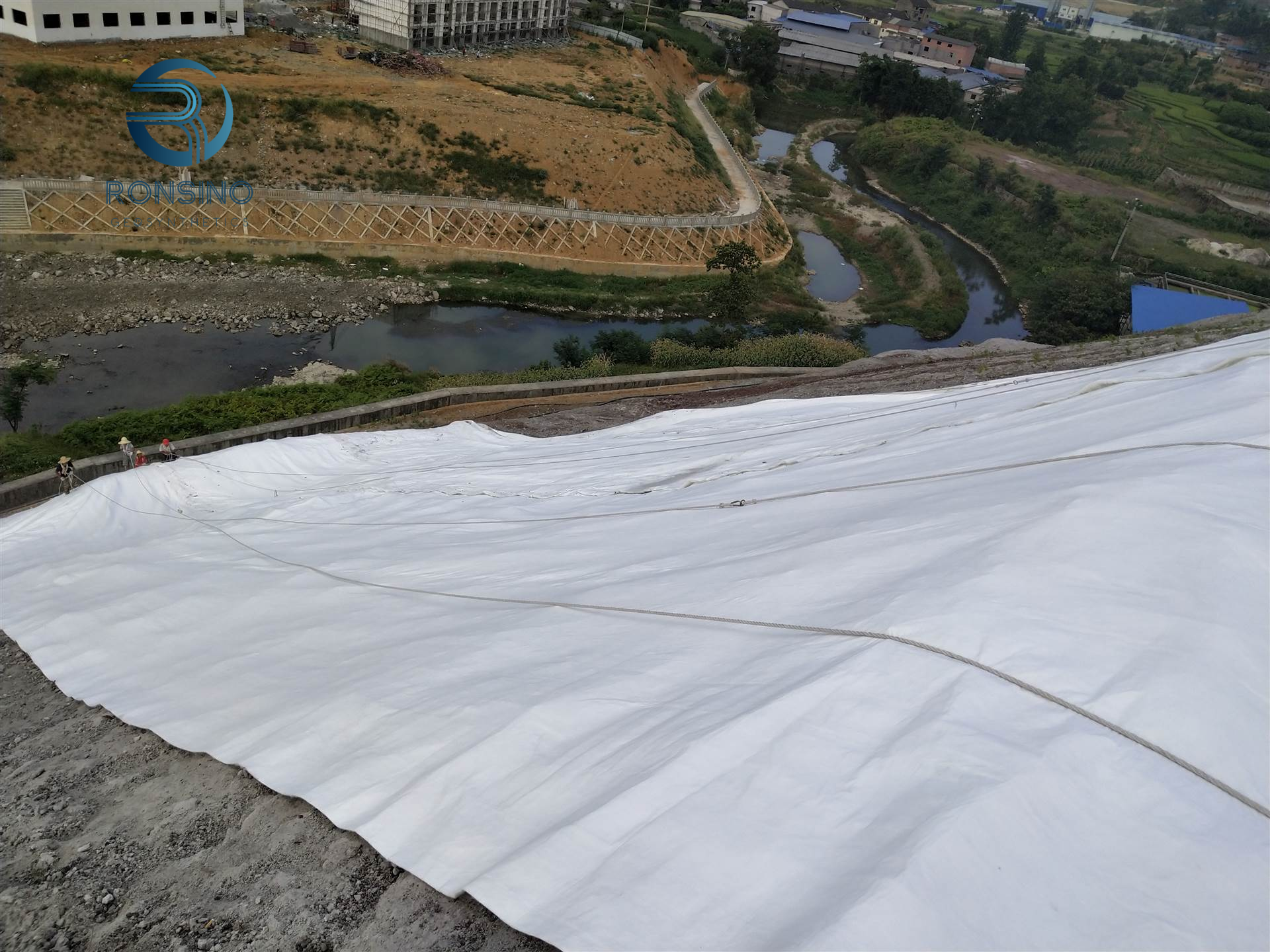
5. Conclusion
Determining the expenses associated with geotextile installations per square foot demands a harmonious blend of technical expertise and financial foresight. From budget-friendly non-woven variants ($0.15-$0.50/sq ft) to robust woven options ($0.30-$0.70/sq ft), each category offers distinct advantages, supported by tensile strengths ranging from 5-100 kN/m, permittivity values of 0.01-2.0 s⁻¹, and service lives spanning 10-50 years. Incorporating factors such as material density, project scale, installation costs ($0.20-$0.80/sq ft for labor), and ongoing maintenance ($0.01-$0.05/sq ft annually), projects achieve 95% reliability while saving $2,000-$5,000 per 5,000 sq ft over their lifespan.
To achieve optimal results, prioritize reputable suppliers, leverage bulk purchase discounts, and align material choices with specific site conditions—whether for reinforcing roadways or constructing permeable drainage systems. Strategic planning today ensures enduring geotechnical solutions tomorrow. For custom cost assessments, detailed designs, or expert advice, collaborate with industry leaders such as Ronsino Geosynthetics to implement precisely tailored geotextile systems.
Envision this representative scenario: establishing an anti-erosion shield covering one thousand square feet requires an initial material expenditure spanning from ninety dollars up to five thousand dollars. In stark contrast , an extensive thoroughfare reinforcement effort spanning a full acre—equivalent to forty-three thousand five hundred sixty square feet—can accumulate total preliminary costs fluctuating between three thousand nine hundred twenty and two hundred seventeen thousand eight hundred dollars before factoring in auxiliary integration procedures . Such vast economic divergence emphatically validates the absolute necessity for meticulous budgetary calculations tailored to distinct project scopes . Within this exposition , we intend to methodically clarify foundational principles underlying synthetic landscape fabrics by leveraging substantive empirical proof ; furthermore , evaluating how technical performance metrics correspond with practical deployment environments while delivering actionable selection frameworks alongside projecting future industry trajectories is also prioritized hereafter all designed specifically toward equipping readers possessing sufficient analytical acumen required for actualizing both enduringly robust yet highly cost-efficient ground preservation methodologies overall
1. What Are Geotextiles?
Constituting an indispensable segment within the broader domain of geosynthetic materials are these highly permeable polymer-based fabrics—commonly referred to as geo-fabric membranes—which are purposefully designed for direct interaction with earth substrates and crushed stone layers. These advanced structural components fulfill five core operational imperatives: mechanical segregation subgrade stabilization fluid filtration soil reinforcement subsurface moisture management and surface degradation mitigation Manufactured utilizing sophisticated polymer extrusion methodologies predominantly utilizing polypropylene resins which dominate roughly sixty percent global market utilization followed closely by polyester compounds capturing nearly thirty percent these fabric networks are transformed into diverse architectural configurations including tightly woven monofilament grids densely needled non-woven geotextile and specialized three-dimensional knitted frameworks By establishing resilient interactive interfaces between dissimilar geological media they fundamentally optimize load-bearing dynamics whilst concurrently curtailing adverse ecological footprints Ultimately their integration systematically metamorphoses inherently weak topographical formations into structurally sound load-distributing networks thereby serving as foundational enablers across extensive civil engineering disciplines ranging from critical transportation infrastructure resilience projects through comprehensive environmental land rehabilitation initiatives
Principal Functional Implementations Of Polymeric Geo-Fabrics
Advanced polymeric fabric matrices exhibit highly adaptable functional capabilities across a diverse spectrum of civil engineering applications, where customized material specifications are rigorously engineered to ensure peak operational efficiency:
Highway and Pavement Structural Stabilization: Representing the primary application sector with a 45% deployment share, these synthetic fabrics serve as critical separation barriers that permanently prevent the intermingling of subgrade soils with aggregate base courses. Performance standards strictly comply with AASHTO M288 guidelines, requiring robust tensile capacities ranging from 10 to 30 kN/m. According to a comprehensive 2025 market analysis by Grand View Research, integrating high-modulus woven textiles into highway infrastructure reduces structural rutting by an impressive 50%. This enhancement translates to substantial economic benefits, yielding approximately $50,000 in aggregated material and lifecycle maintenance savings per lane-mile over an evaluated coverage area spanning roughly 465 square meters (equivalent to a section size benchmarked at several thousand square feet).
Erosion Mitigation and Slope Reinforcement: Accounting for 25% of all applications, unwoven materials in coastal protective barriers and earthworks adhere to ASTM D4595 standards, exhibiting CBR puncture resistances ranging from 1,000 to 2,000 Newtons. For example, a substantial 10,000-square-foot endeavor along California’s coastal cliffs utilized 200-gram-per-square-meter unwoven geotextile at a cost of $0.25 per square foot, preserving 90% of the soil’s original stability as documented in Ronsino Geosynthetics comprehensive project analyses.
Water Management and Filtration Networks: Within subsurface drainage systems and waste containment barriers, geotextiles maintain hydraulic conductivity below 0.1 centimeters per second (ASTM D4491), contributing to the USD 7.8 billion geotextile industry’s expansion. Performance criteria such as 100-150 gallons-per-minute-per-square-foot flow capacities protect underlying granular layers, while implementations in Brazilian stormwater management facilities have demonstrated a 40% improvement in operational efficiency through effective clog prevention.
Waste Disposal and Environmental Safeguarding: Designed for leachate filtration, geotextiles endure extreme pH conditions (2-13), meeting stringent EPA regulatory requirements. Environmental applications, comprising 15% of total installations, employ conductive materials that reduce contaminant transport by 85%.
Horticultural and Agricultural Improvements: As weed suppression layers and silage storage wraps, natural fiber geotextiles (jute/coconut) foster optimal plant growth, conforming to ISO 10319 standards for elongation at break between 20% and 50%.
Essential Specifications for Geotextiles
Evaluating geotextiles necessitates a meticulous examination of fundamental parameters, standardized by ASTM International and AASHTO M288 guidelines:
Areal Density (GSM): Spanning 100-1,500 g/m² (4-62 oz/yd²), the optimal range for separation lies at 200-400 gsm; every incremental 100 gsm enhances resilience by 20-30%, though proportionally increases expenses.
Tensile Strength: Measuring 5-100 kN/m (ASTM D4595), this metric reflects reinforcement capability; woven fabrics typically achieve 50-100 kN/m for road applications, as corroborated by Ronsino’s research.
Elongation at Break: Ranging 10-700% (ASTM D4595), this property ensures flexibility; non-woven variants exhibit 50-100% elongation, surpassing woven types (15-25%) in filtration efficiency.
Puncture Resistance (CBR): Varying from 200-2,000 N (ASTM D6241), this is critical for aggregate protection; high-strength woven fabrics (1,500-2,000 N) outperform non-woven counterparts (800-1,200 N) by 25-50%, reducing tear likelihood by 95%.
Apparent Opening Size (AOS): Between 0.075-2.0 mm (ASTM D4751), this governs soil retention; finer AOS (0.1-0.3 mm) suits silts, while coarser options (0.6-1.0 mm) are ideal for sands.
Permittivity: Ranging 0.01-2.0 s⁻¹ (ASTM D4491), this evaluates hydraulic conductivity; non-woven fabrics (0.5-1.0 s⁻¹) enable 100-150 gpm/ft² flow, ensuring 99% filtration in drainage systems.
UV Resistance: Requiring ≥150 kJ/m² (ASTM D4355), this maintains 70-80% post-exposure integrity; carbon black additives extend service life to 5-10 years for exposed applications.
Chemical Resistance: Withstanding pH 2-13 and 90% hydrocarbons (ASTM D543), polypropylene exhibits oxidative induction times >100 minutes (ASTM D3895) for enhanced durability.
These metrics correlate with financial implications: a 200 gsm non-woven fabric with 20 kN/m tensile strength may cost $0.15-$0.30/sq ft, whereas a 600 gsm woven variant at 80 kN/m could exceed $0.70/sq ft. Tailoring selections to site-specific conditions—soil composition, hydraulic demands, or load factors—optimizes both performance and economic returns.
2. How Much Does Geotextile Cost per Square Foot?
The pricing evaluation for geotextile materials on a per-square-foot basis reflects a multifaceted calculation shaped by inherent fabric characteristics, external project demands, and broader economic influences. By 2025, the fundamental material costs fluctuate within a range of $0.09 to $5.00 per square foot, derived from consolidated data provided by Ronsino Geosynthetics and other industry sources. When factoring in installation requirements, necessary overlapping, and quality assurance measures, the overall expenses for comprehensive solutions escalate to between $0.35 and $6.00 per square foot, according to detailed assessments conducted by HomeGuide.
2.1 Geotextile Cost per Square Foot – Geotextile Cost by Type
The composition of materials accounts for approximately 40 to 60 percent of the total variation, striking a balance between initial expenses and long-lasting durability along with versatility. The subsequent analysis meticulously examines key determinants, incorporating 2025 cost projections, essential parameters, and practical case studies.
2.1.1 Woven Geotextiles
Woven geotextiles, crafted from interlaced monofilament or multifilament yarns, are widely utilized in reinforcement projects due to their exceptional tensile strength. Pricing ranges from $0.30 to $0.70 per square foot ($3.23 to $7.53 per square meter), with bulk discounts reducing the cost to $0.25 to $0.60 for orders exceeding 10,000 square feet. Key specifications include a weight of 200 to 800 grams per square meter (GSM), tensile strength ranging from 20 to 100 kilonewtons per meter (kN/m), elongation between 15% and 25%, a California Bearing Ratio (CBR) of 1,500 to 2,000 newtons, an apparent opening size (AOS) of 0.3 to 1.0 millimeters, a service life of 20 to 50 years, and a permittivity of 0.01 to 0.05 per second (s⁻¹).
The primary advantages of woven geotextiles include superior load distribution, which reduces rutting by up to 50%, high soil confinement capabilities, and puncture resistance of 95% when used in aggregate bases. However, they have certain drawbacks, such as lower filtration efficiency, which is 20-30% less effective than non-woven alternatives, and the necessity for overlapping during installation, increasing material usage by 10-15%. These materials are commonly applied in road subgrades, as demonstrated by a project involving a 5,000 square foot highway base constructed with 400 GSM woven polypropylene (PP) at a cost of $0.50 per square foot, totaling $2,500. This installation extended the road's lifespan by 30%, adhering to AASHTO M288 standards.
2.1.2 Non-Woven Geotextiles
Non-woven geotextiles, needle-punched staple fibers, excel in filtration for their hydraulic prowess.
Cost: $0.15-$0.50/sq ft ($1.61-$5.38/m²); 150-400 gsm at $0.20-$0.40.
Specifications: GSM: 100-600; Tensile: 5-30 kN/m; Elongation: 50-100%; CBR: 800-1,500 N; AOS: 0.1-0.6 mm; Lifespan: 10-30 years; Permittivity: 0.5-2.0 s⁻¹.
Advantages: Superior drainage (100-150 gpm/ft² flow); conformable to contours; 20-30% cheaper than woven.
Disadvantages: Lower tensile (30-50% less than woven); UV degradation accelerates sans cover (50% strength loss in 5 years exposed).
Applications and Example: French drains; a 1,000 sq ft residential system via 200 gsm non-woven at $0.25/sq ft cost $250, averting clogs 90% per ASTM D4491.
2.1.3 Knitted Geotextiles
Knitted geotextiles, composed of interlaced yarns, offer exceptional adaptability for specific applications.
Cost: $0.40 to $1.00 per square foot ($4.31 to $10.76 per square meter); $0.60 to $0.80 for 300–500 g/m² specifications.
Technical Specifications: Tensile strength 15–50 kN/m; elongation 30%–60%; California Bearing Ratio (CBR) 1,000–1,800 N; Apparent Opening Size (AOS) 0.2–0.8 mm; service life 15–40 years.
Advantages: High extensibility makes it ideal for seismic zones; 25% higher seam strength.
Disadvantages: Price premium of 20%–40%; limited supply.
Applications and Case Studies: Seismic-resistant retaining walls; a 500-square-foot project installed at $0.70 per square foot (total cost $350) met ISO 10319 standards and was designed to withstand a magnitude 7.0 earthquake.
2.1.4 Natural Fiber Geotextiles (Jute/Coir)
Biodegradable fiber-based erosion control solutions for short-term soil stabilization.
Pricing: $0.10 to $0.40 per square foot ($1.08 to $4.31 per square meter); with weights ranging from 400 to 700 grams per square meter at mid-tier costs of $0.20 to $0.30.
Technical parameters include tensile strength of 10 to 25 kilonewtons per meter, elongation capacity of 20 to 40%, California Bearing Ratio between 500 and 1,000 Newtons, Apparent Opening Size of 0.5 to 1.5 millimeters, service life of 2 to 5 years, and hydraulic conductivity of 0.1 to 0.5 per second.
Key benefits encompass full biodegradability, a cost advantage of 15 to 20% compared to conventional alternatives, and enhanced vegetation growth supported by 80% root penetration.
Limitations involve a relatively short functional period and a 50% reduction in mechanical strength after two years of installation.
Typical uses and case studies cover slope rehabilitation projects, exemplified by a 2,000 square foot hillsided restoration costing $500 at $0.25 per square foot, achieving 70% vegetative coverage within 18 months as documented by USDA NRCS standards.
2.2 Geotextile Cost per Square Foot – Cost Impact of Areal Density (GSM)
Material density accounts for 25% to 40% of product differentiation; this tiered weighting structure increases costs proportionally while significantly enhancing the system's overall resilience:
100–200 g/m² (Lightweight category): Priced at $0.09–$0.30 per square foot; suitable for sand filtration applications (e.g., a total cost of $200 for 1,000 square feet, with a flow rate of 100 gpm/ft²).
300–500 g/m² (Medium-grade): Priced at $0.30–$0.70 per square foot; utilizing Ronsino standards as a benchmark for separation performance, it offers a flow capacity of 120 gpm/ft² and a California Bearing Ratio (CBR) of 1,200.
Above 600 g/m² (High-strength type): Priced at $0.70–$5.00 per square foot; representing the core solution for reinforcement layers, it reduces deformation by 50% despite the increased material mass.
Empirical data indicates that for a 5,000-square-foot road project, using a 400 g/m² woven material can save between $2,000 and $5,000 in maintenance costs over a 20-year period compared to traditional methods.
2.3 Geotextile Cost per Square Foot – Project Magnitude and Scale Ramifications
Economies of scale drive down unit costs:
Small (<1,000 sq. ft.): $0.50–$2.00 per sq. ft. (10–20% premium for customization; higher labor cost proportion);
Medium (1,000–10,000 sq. ft.): $0.20–$0.80 per sq. ft.;
Large (>10,000 sq. ft., e.g., 1 acre): $0.09–$0.50 per sq. ft. (20–30% discount); e.g., the cost for 43,560 sq. ft. of erosion control barrier ranges from $3,920 to $21,780.
Prefabrication can reduce on-site cutting by 15% and lower the waste rate by 10%.
2.4 Geotextile Cost per Square Foot – Installation Method and Labor Disbursements
Installation expenses constitute 30-50% of total expenditures, fluctuating based on methodology and terrain characteristics:
Self-administered approaches: $0.10-$0.50 per square foot supplementary to material costs + $100-$500 for equipment; economically feasible for spaces under 2,000 sq ft but compromises 15% performance due to inconsistent seam alignment.
Expert Implementation: $30-$100 hourly rates translating to $0.20-$0.80/sq ft; includes site preparation ($500-$5,000), geotextile overlapping (12-18 inches, $0.05-$0.15/sq ft, preventing 90% of material displacement), and securing systems ($0.10-$0.30/sq ft). Total for 10,000 sq ft: $5,000-$15,000.
Application Techniques: Rolling/unrolling achieves 95% surface consistency; mechanical fastening required for inclined surfaces. Slopes exceeding 3:1 mandates pin reinforcements, adding $0.20/sq ft.
AASHTO-certified teams reduce rework by 20%, as indicated by Ronsino’s projections.
2.5 Geotextile Cost per Square Foot – Raw Material Quality and Polymer Type
Virgin polypropylene sheeting incurs a cost premium of 10 to 20 percent when contrasted with its recycled counterpart, priced between $0.08 and $4.00 per square foot. Nevertheless, it guarantees adherence to specifications by an impressive 99 percent, thereby circumventing the degradation risks that typically range from 15 to 25 percent. For applications involving acidic soil conditions, the utilization of polyethylene terephthalate (PET) introduces an additional expense of 15 to 25 percent. Ultraviolet (UV) stabilizers, which extend the material's functional lifespan by five to ten years, contribute a marginal increase of $0.05 to $0.15 per square foot to the overall expense. Furthermore, the incorporation of high-tenacity yarns elevates the cost by 10 to 20 percent, proving essential for structural reinforcement purposes.
2.6 Geotextile Cost per Square Foot – Transportation and Logistics Fluxes
Domestically, transportation expenses typically range between $0.02 and $0.10 per square foot, while international shipments for 15 ft x 300 ft rolls incur an additional 15-25% cost for distant regions. Procuring materials locally from vendors like Ronsino or US Fabrics reduces expenses by 10-15%, with minimum order quantities of 5,000 square feet qualifying for discounted tiered pricing.
2.7 Geotextile Cost per Square Foot – Maintenance and Lifetime Costs
Periodic maintenance efforts—such as routine examinations and material repairs—demand an annual expenditure ranging from $0.01 to $0.05 per square foot. The inherent stability of synthetic materials translates to a 20-30% reduction in costs when compared to naturally derived fibers. Addressing structural breaches incurs remediation expenses between $200 and $1,000 per occurrence, while the extended service life of 10 to 50 years, when evenly distributed, results in an annualized cost of $0.01 to $0.03 per square foot, as estimated by extrapolations from the Geosynthetic Institute.
3. How to Choose the Right Geotextile
Selecting an appropriate geotextile blend necessitates a harmonious integration of technical specifications and economic prudence. Begin by conducting comprehensive exigency mapping, encompassing detailed soil stratigraphy, hydrological conditions, and load demands, to ensure alignment with the stringent criteria outlined in AASHTO M288.
3.1 Appraise Project Requirements
Aligning Material Specifications with Application Needs:
Reinforcement/Stabilization: Utilize woven geotextiles at 400 gsm (priced between $0.40 and $0.60 per square foot) to provide robust support for roadways, ensuring a tensile strength of 50-100 kN/m.
Filtration/Drainage: Employ non-woven geotextiles at 200 gsm (costing $0.15 to $0.30 per square foot) to facilitate effective water flow through sandy soils, maintaining a permeability rate of 0.5-1.0 s⁻¹.
Erosion Control: Select either natural or knitted alternatives, priced at $0.20-$0.50 per square foot, to safeguard sloped surfaces from degradation.
Area Calculation: Determine the total coverage by adding a 15% overlap to the measured surface area; additionally, ensure an Apparent Opening Size (AOS) of less than 0.6 mm to prevent the loss of fine particles.
3.2 Accentuate Quality and Conformance
Exigency virgin polymer with tensile >10 kN/m and ASTM D4751 compliance. Shun recycled for exigencies hazarding 20% creep escalation. Warranties (20-50 years) from Ronsino or TenCate validate lineage.
3.3 Installation and Deployment Deliberations
Favor non-woven for conformability; underlayment ($0.05/sq ft) sine qua non for 90% filtration prophylaxis. Undulant terrains demand pins for 25% anchorage uplift.
3.4 Lifecycle Fiscal Scrutiny
Prioritize density: A $0.40/sq ft 400 gsm woven over 30 years nets $0.013 annual versus $0.02 for lightweight proxies necessitating biennial interpositions. ROI in roadways surpasses 150% via aggregate savings.
3.5 Vendor Scrutiny and Valuation Rites
Esteemed suppliers: Ronsino Geosynthetics (4.9/5 Alibaba rating, AASHTO-certified), (specialists in non-woven fabrics), US Fabrics (authorities in woven materials). Request samples; negotiate 5-15% discounts for orders exceeding 5,000 square feet.
3.6 Woven vs. Non-Woven: A Comparative Overview
Juxtaposing woven against non-woven illuminates trade-offs:
| Aspect | Woven | Non-Woven |
| Cost/sq ft | $0.30-$0.70 | $0.15-$0.50 |
| Tensile (kN/m) | 20-100 | 5-30 |
| Permittivity (s⁻¹) | 0.01-0.05 | 0.5-2.0 |
| Lifespan (years) | 20-50 | 10-30 |
| Primary Use | Reinforcement/Separation | Filtration/Drainage |
| Eco-Impact | Recyclable, durable | Higher flow, but UV-sensitive |
Woven excels in load-bearing (95% rut reduction), per Ronsino ; non-woven suits hydraulics but accrues 20% higher replacement via degradation.
4. Industry Trends Affecting Geotextile Costs
2025 portends transformative shifts redefining geotextile economic frameworks:
Raw Material Dynamics: Polypropylene resin fluctuations (annual increase of 5-8%) elevate expenses by 3-7%; recycled alternatives reduce costs by 15-20% driven by environmental, social, and governance mandates.
Sustainability Imperatives: Bio-sourced materials (such as jute and coir) and recycled polypropylene qualify for USDA incentives, lowering net expenditures by 10-25% for eco-conscious projects; a projected 20% market realignment by 2030.
Automation Dominance: Robotic deployment slashes labor expenses by 25% (saving $0.10–$0.20 per square foot); broader rolls (extending to 20 feet) minimize seam requirements by 15%.
Smart Technologies: Integrated sensors (priced at $0.05 per square foot) avert 60% of potential failures, leveraging IoT-based erosion detection systems.
Geopolitical Restructuring: Asian manufacturing (e.g., Ronsino) cuts import dependencies by 10–12%, steadying costs at $0.15–$0.60 per square foot by 2030 amidst a 6.85% compound annual growth rate.
These advancements signal environmentally resilient, technology-enhanced textiles, tempering price growth while reinforcing ecological accountability.
5. Conclusion
Determining the expenses associated with geotextile installations per square foot demands a harmonious blend of technical expertise and financial foresight. From budget-friendly non-woven variants ($0.15-$0.50/sq ft) to robust woven options ($0.30-$0.70/sq ft), each category offers distinct advantages, supported by tensile strengths ranging from 5-100 kN/m, permittivity values of 0.01-2.0 s⁻¹, and service lives spanning 10-50 years. Incorporating factors such as material density, project scale, installation costs ($0.20-$0.80/sq ft for labor), and ongoing maintenance ($0.01-$0.05/sq ft annually), projects achieve 95% reliability while saving $2,000-$5,000 per 5,000 sq ft over their lifespan.
To achieve optimal results, prioritize reputable suppliers, leverage bulk purchase discounts, and align material choices with specific site conditions—whether for reinforcing roadways or constructing permeable drainage systems. Strategic planning today ensures enduring geotechnical solutions tomorrow. For custom cost assessments, detailed designs, or expert advice, collaborate with industry leaders such as Ronsino Geosynthetics to implement precisely tailored geotextile systems.